Dramatic character design with theatrical menace
The animated villain is one of the most artistically distinctive character archetypes in animation history, representing a tradition of character design where visual form directly embodies moral and narrative function. The golden age of American feature...
 📷 Before
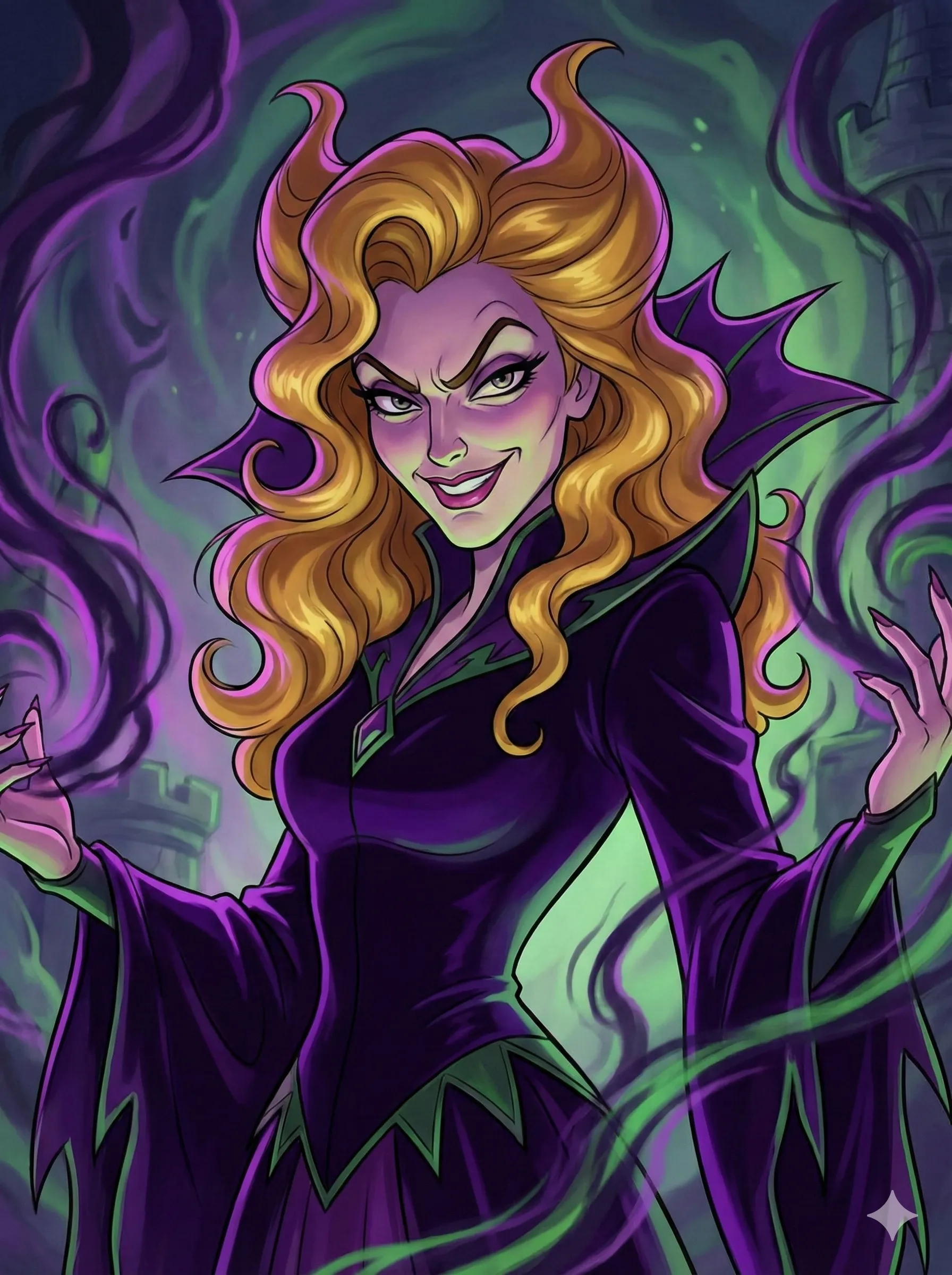 🦹 After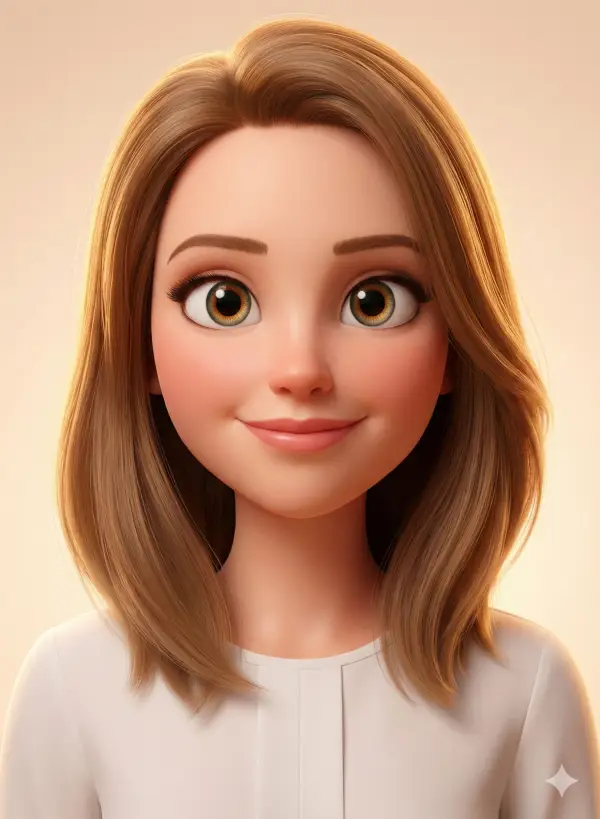
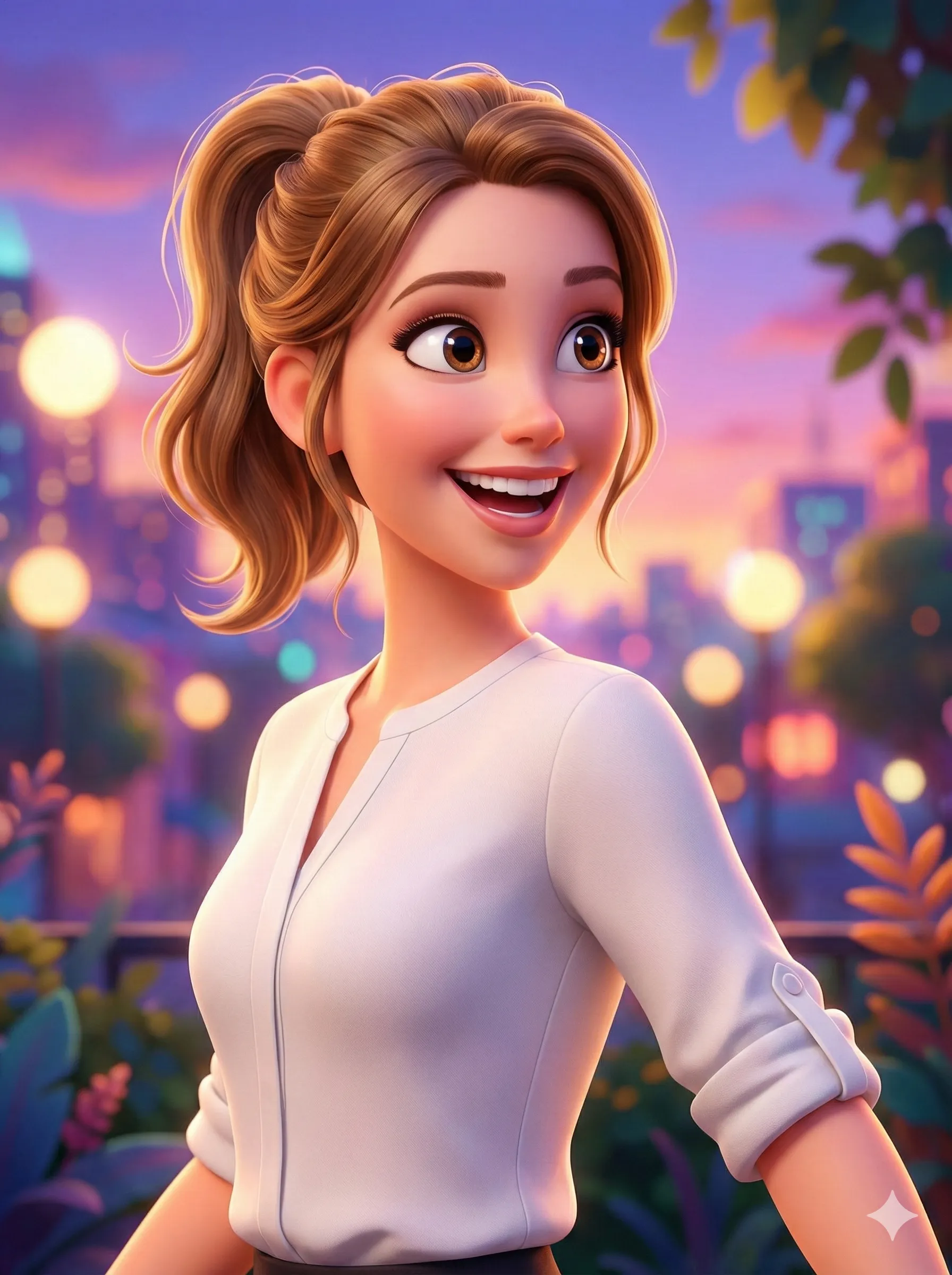
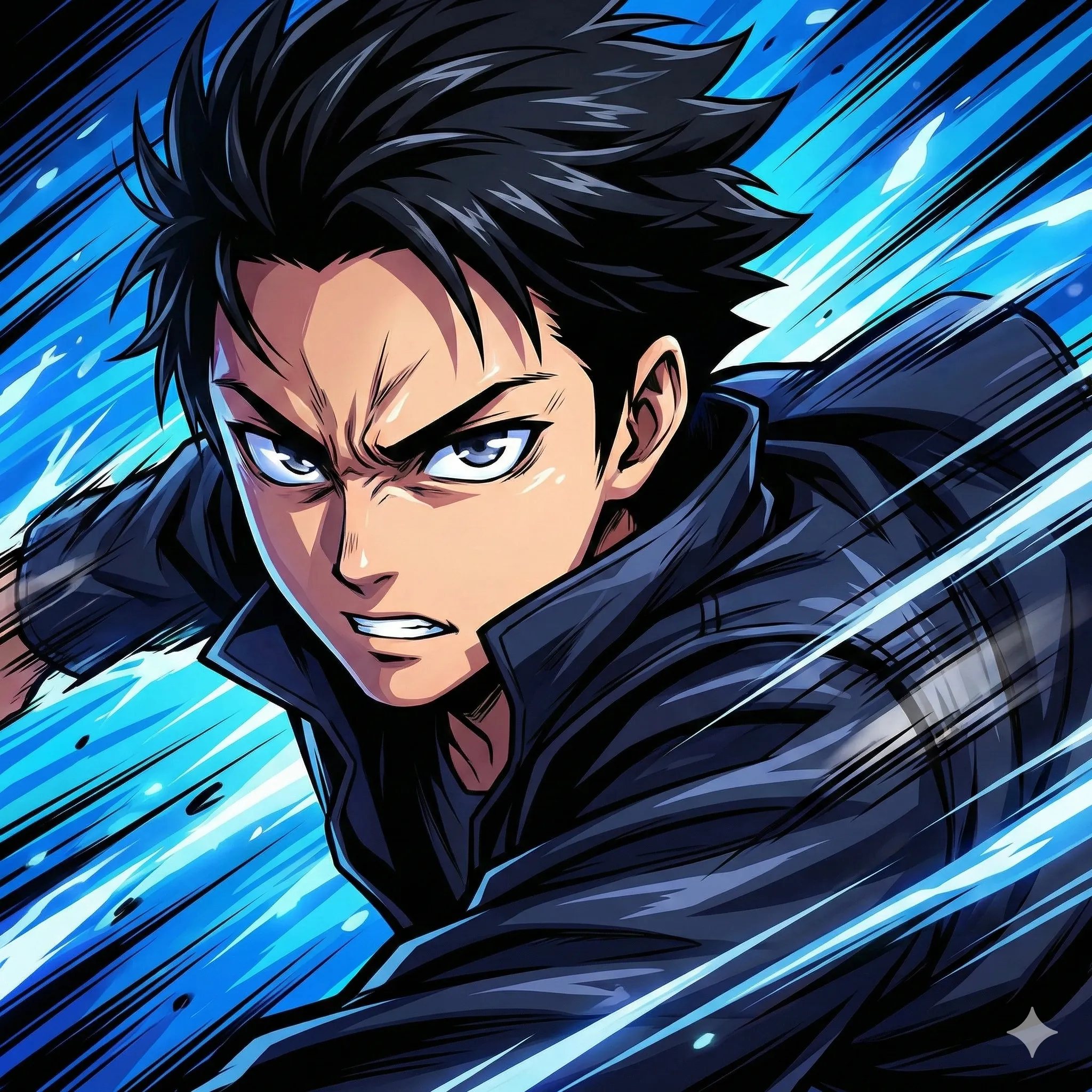
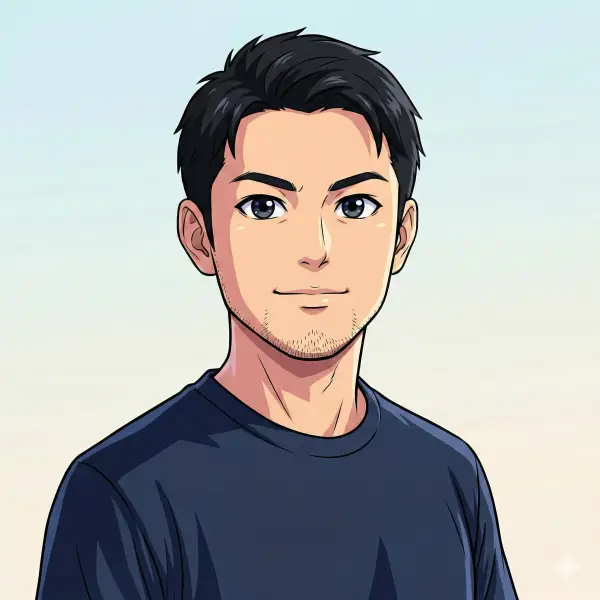
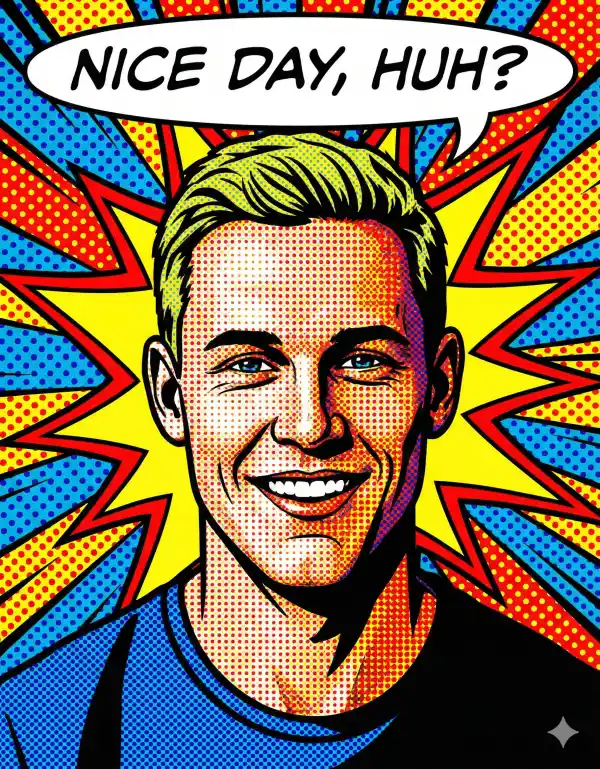

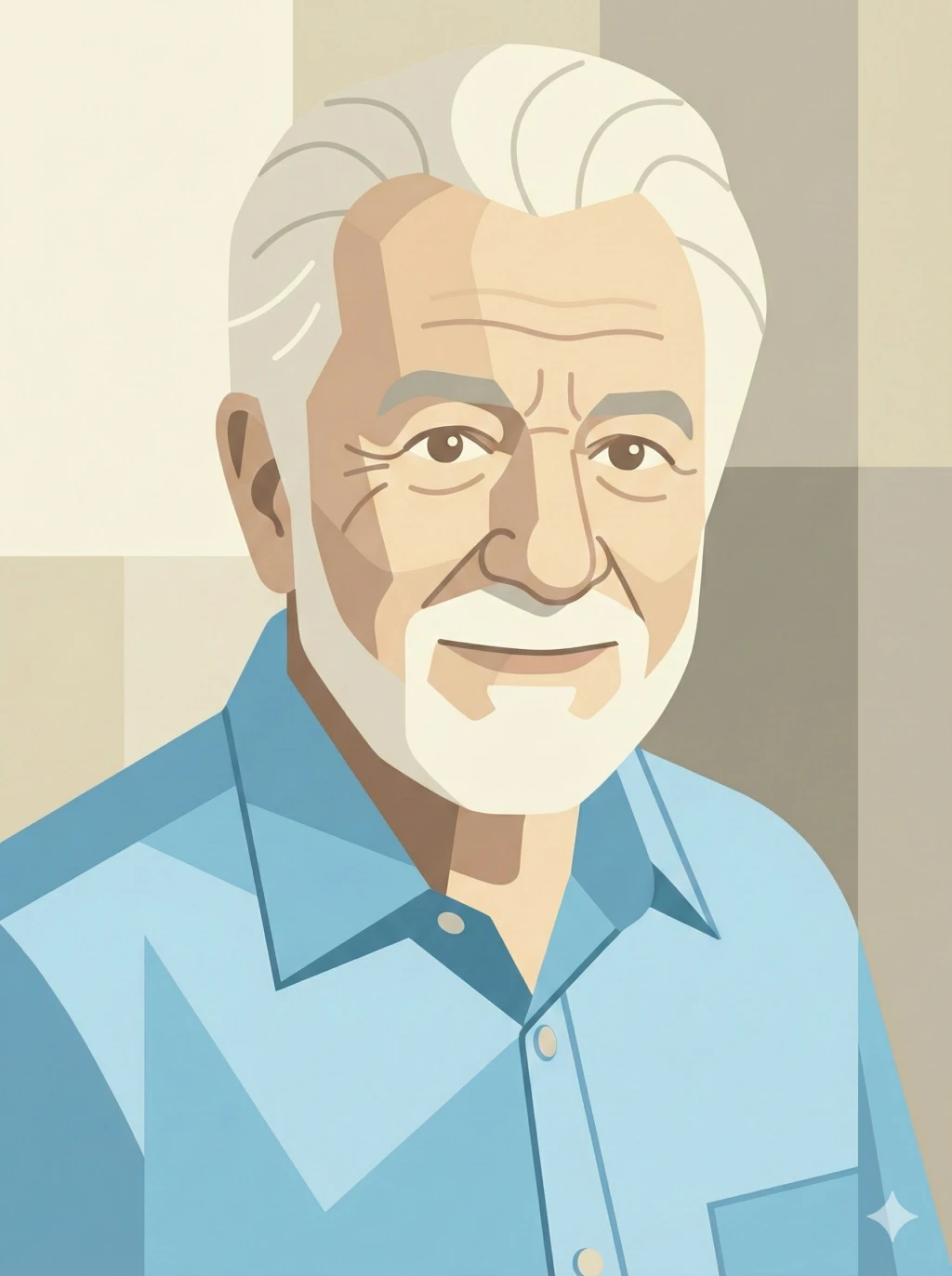
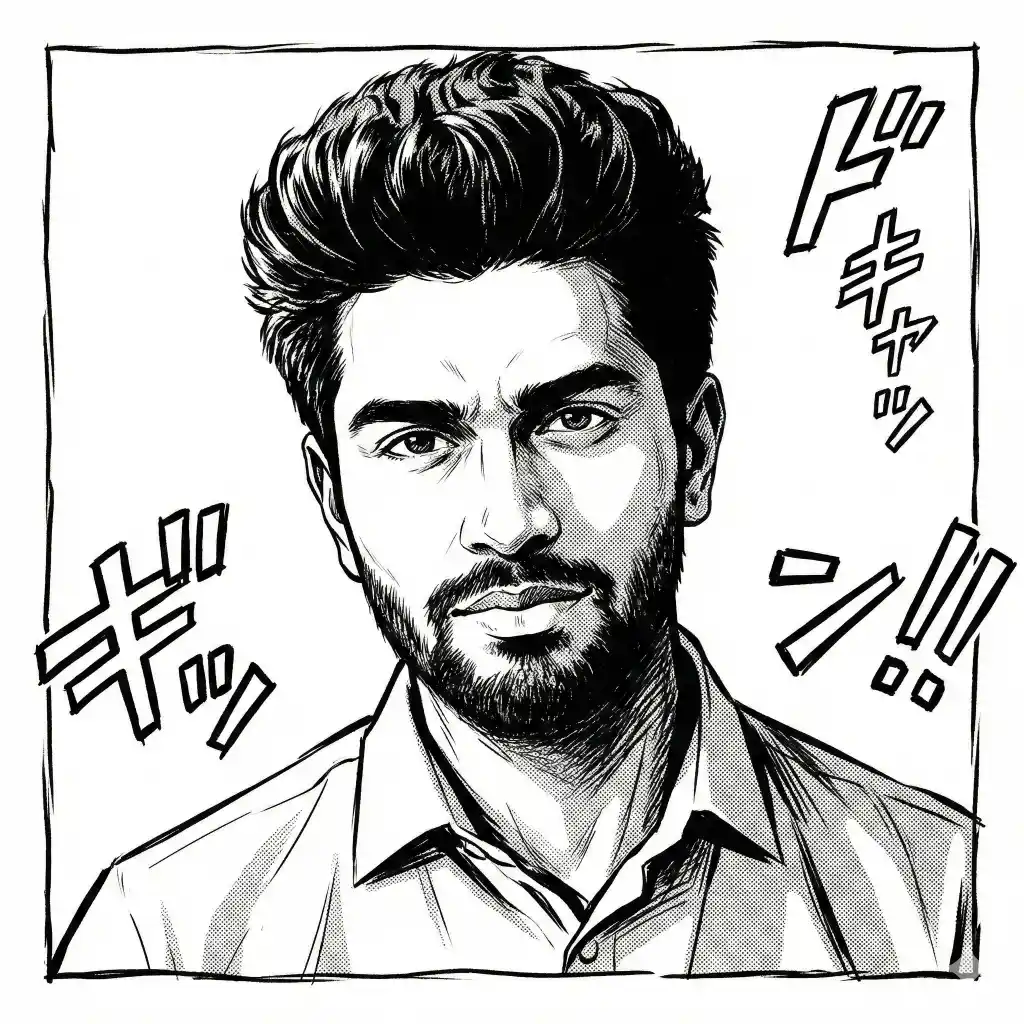
About Animated Villain
Origins, history, and what makes this art style unique
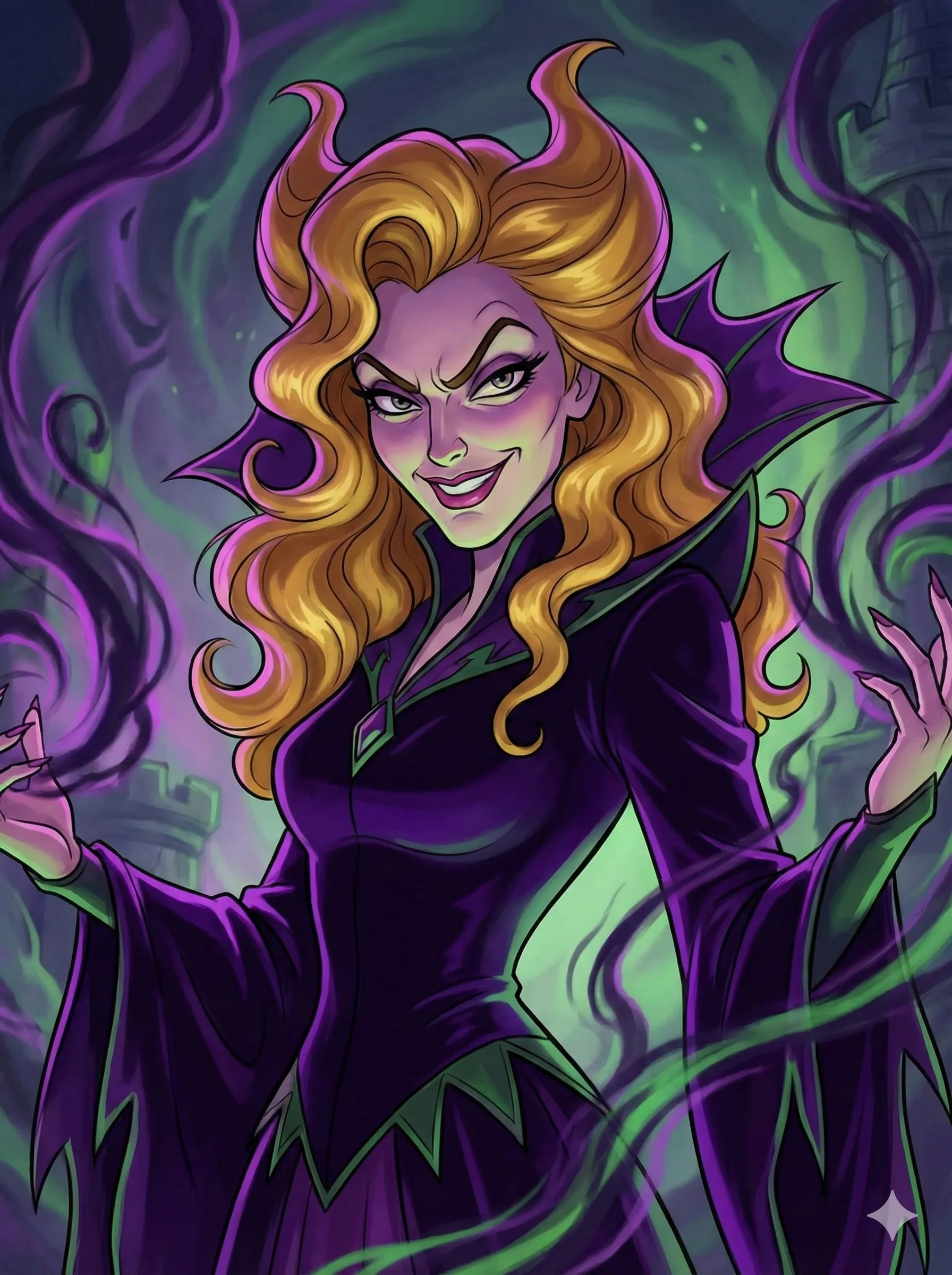
The artistry of animated villain design lies in the tension between attraction and repulsion. The most memorable villains — skeletal fashion obsessives in dramatic fur coats, flamboyant sea witches inspired by drag performance, predators with half-lidded contempt, and angularly elegant scheming advisors — are visually magnetic precisely because their designs concentrate dramatic energy. Sharp geometric shapes dominate: triangular compositions for instability and aggression, elongated vertical proportions for imposing stature, and dynamic asymmetries that create visual tension. Lighting typically employs theatrical underlighting (light from below, creating sinister shadows) and rim lighting that silhouettes angular features against dark or dramatically colored backgrounds.
Beyond the golden-age tradition, the animated villain archetype has been enriched by diverse animation cultures: the operatic menace of celebrated Japanese animated antagonists, stylized threats drawn with inspiration from Japanese calligraphy, and the psychologically complex villains of modern prestige animation. The archetype continues to evolve, with contemporary villain design emphasizing psychological depth alongside visual drama — but the fundamental principle remains: the villain's design must command the screen with an irresistible visual presence that balances theatrical grandeur with genuine menace.
Key Elements
The core artistic techniques that define Animated Villain
Angular Geometry and Triangular Composition
Employs the character design principle established by golden-age character designers: villain silhouettes are built from sharp angles, pointed shapes, and triangular compositions that create visual tension and subconscious associations with danger — contrasting the rounded, soft shapes typically used for heroes.
Theatrical Lighting and Sinister Color Theory
Uses dramatic underlighting (light from below) and strong rim lighting to create menacing shadow patterns across angular features. The color palette draws from theatrical villainy traditions: deep purple (royalty corrupted), acid green (poison and envy), blood red (danger), and black (darkness) — colors that signal dramatic threat while remaining visually magnetic.
Expressive Exaggeration for Dramatic Presence
Amplifies specific facial features — arched brows, defined cheekbones, sharp jawlines — through the animation principle of caricature, creating characters whose visual design concentrates dramatic energy and commands attention in every frame, following the tradition of larger-than-life theatrical antagonists.
How It Works
Transform your photo into animated villain art in 3 simple steps
Upload Your Photo
Choose any portrait photo from your device. Front-facing works best for stunning results.
Select Animated Villain
Our AI analyzes your photo and applies the animated villain artistic style with precise attention to detail.
Download & Share
Get your high-quality cartoon portrait in about half a minute. Download in full resolution or share directly.
Perfect For
Before & After
See the Animated Villain transformation in action
Animated Villain FAQ
Golden-age character designers formulated key principles: villains use angular, pointed shapes (triangles, sharp curves) versus heroes' rounded forms. Vertical elongation creates imposing stature. Asymmetric features suggest instability. High-contrast color palettes with dark values convey threat. And crucially, villains must be entertaining — their designs concentrate visual charisma and dramatic energy so they dominate every scene they appear in. The best villains are simultaneously frightening and fascinating.
Villain color palettes exploit cultural and psychological color associations. Deep purple combines the authority of blue with the danger of red, suggesting corrupted power. Green, particularly acid or sickly green, evokes poison, envy, and supernatural malice (sorcerous green flames, sickly green skin). Black signals darkness and the unknown. These colors are typically set against dramatic lighting — particularly green or purple underlighting — that transforms familiar features into something unsettling.
Classic golden-age villains (1930s–1960s) drew from theatrical archetypes and fairy tale illustration: purely evil, visually coded as dark and angular. The renaissance era (1989–1999) added humor and personality. Modern animation increasingly creates morally complex antagonists whose designs blend sympathetic and threatening elements — some appear outwardly cuddly, others are visually nuanced and understated. The trend is toward psychological complexity expressed through subtler design choices rather than pure visual villainy.
Try Animated Villain
Style Now!🦹
Upload your photo and get your animated villain portrait in about half a minute.