Adorably miniature, irresistibly expressive
Chibi (ちび), derived from the Japanese word meaning "short" or "small," refers to a style of character deformation in which figures are drawn with drastically reduced proportions — typically a head-to-body ratio of 1:1 or 2:1 compared to the 1:6 to 1:8 ratio...
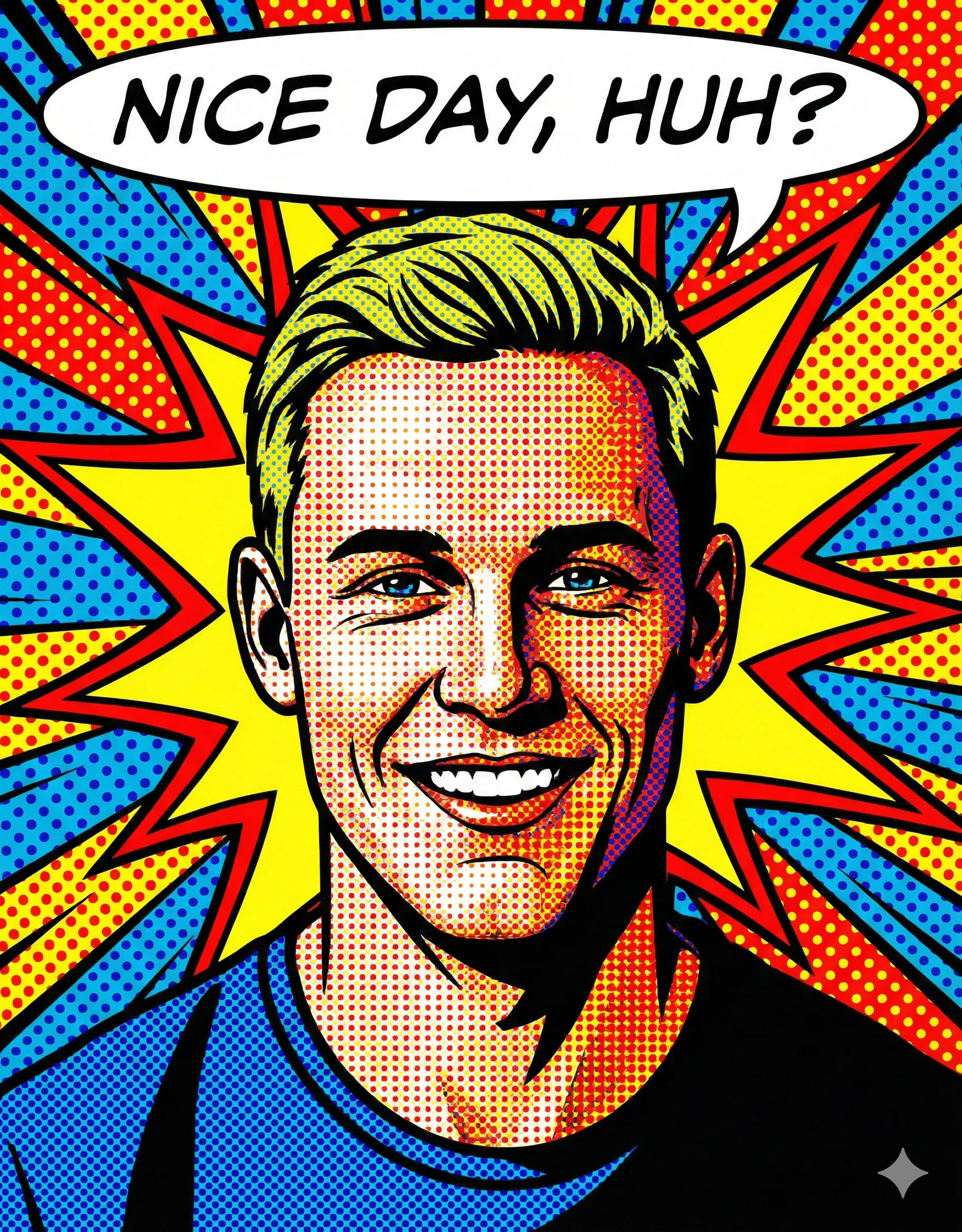
 📷 Before
 🥰 After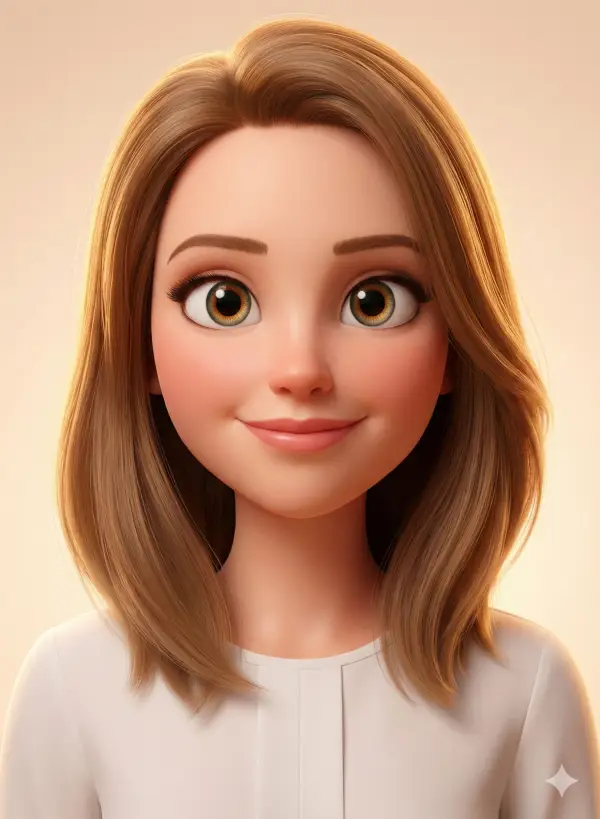






About Chibi
Origins, history, and what makes this art style unique
The aesthetic principles underlying chibi design connect to a broader scientific and cultural understanding of cuteness. The ethologist Konrad Lorenz identified a set of physical features — large head relative to body, prominent forehead, large eyes set low on the face, small nose and mouth, rounded body proportions — that trigger nurturing instincts in humans. He termed this the "Kindchenschema" (baby schema), and chibi character design systematically maximizes every element of this biologically rooted cuteness response. The style strips characters to their most essential identifying features (hairstyle, eye color, costume elements) while removing anatomical detail that might ground them in realistic proportion. This extreme simplification paradoxically increases emotional expressiveness: chibi characters communicate feelings through exaggerated poses, symbolic visual shorthand (the sweat drop, the anger vein, the floating hearts), and the sheer force of their oversized facial features.
Chibi has evolved from a Japanese subcultural style into a global visual language with applications spanning merchandise design, video game UI, social media stickers, educational materials, and brand mascots. The style's influence is visible in popular Western animated series that incorporate similar principles of proportional exaggeration and simplified cuteness. In gaming, chibi-proportioned characters appear across many beloved Japanese and international game franchises, where they serve as the basis for collectible figurines and promotional materials. The style's enduring popularity reflects a universal human response to Lorenz's baby schema, transcending cultural boundaries through its direct appeal to biological cuteness perception.
Key Elements
The core artistic techniques that define Chibi
Kindchenschema Proportional System
Chibi design is built on the systematic maximization of what ethologist Konrad Lorenz called "Kindchenschema" (baby schema) — the set of infantile physical features that trigger protective and nurturing responses in humans. The oversized head (1:1 or 2:1 with the body), enormous eyes positioned low on the face, tiny nose and mouth, and rounded body forms all correspond precisely to the features Lorenz identified as biological cuteness triggers, explaining chibi's cross-cultural appeal.
Iconic Reduction & Feature Distillation
Chibi style employs a process of iconic reduction where characters are stripped to their most essential identifying features. Complex anatomical detail is removed, but key identity markers — a specific hairstyle, eye color, costume element, or accessory — are preserved and often exaggerated. This connects to Scott McCloud's theory of iconic abstraction in comics, where simplified representations paradoxically increase audience identification by removing specificity that might alienate viewers.
Symbolic Emotional Expression
Because chibi characters lack the anatomical detail for subtle facial expression, they rely on a rich vocabulary of symbolic visual shorthand inherited from manga tradition: the sweat drop for embarrassment, the cross-shaped anger vein, floating hearts for affection, spiral eyes for confusion, and dramatic pose changes that communicate emotional states through whole-body gesture rather than facial nuance. This symbol system has become a global visual language through anime and manga's international spread.
How It Works
Transform your photo into chibi art in 3 simple steps
Upload Your Photo
Choose any portrait photo from your device. Front-facing works best for stunning results.
Select Chibi
Our AI analyzes your photo and applies the chibi artistic style with precise attention to detail.
Download & Share
Get your high-quality cartoon portrait in about half a minute. Download in full resolution or share directly.
Perfect For
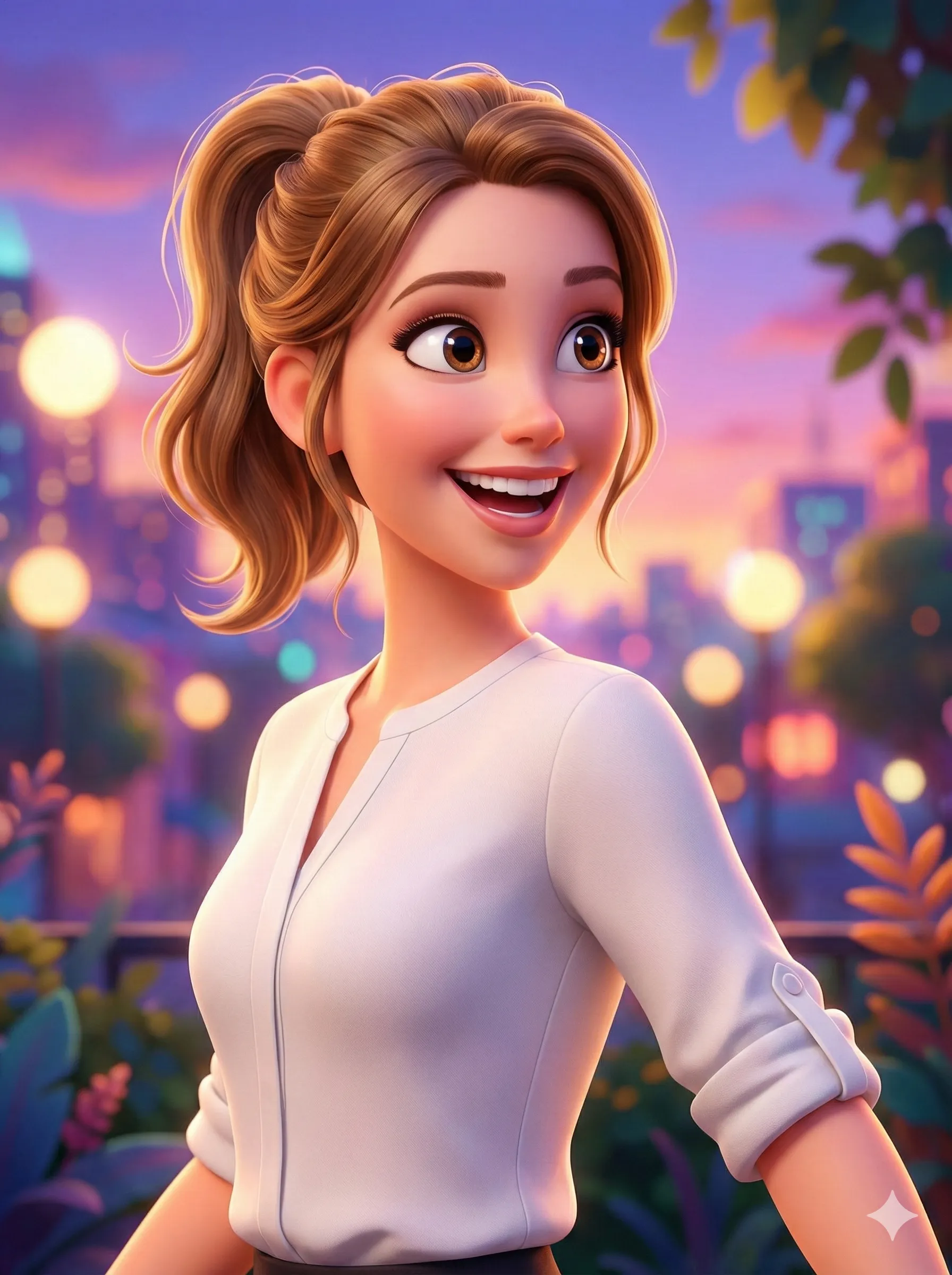
Before & After
See the Chibi transformation in action
Chibi FAQ
Chibi emerged from Japanese manga and anime traditions, where artists developed the convention of temporarily deforming normally-proportioned characters into miniaturized, exaggerated forms during comedic or emotionally heightened scenes. The practice connects to the broader "kawaii" (cute) aesthetic that became a powerful cultural force in 1970s-80s Japan, influencing everything from consumer product design to public signage. The word "chibi" itself is casual Japanese for "short person" or "small child" and carries connotations of endearment. The style formalized through shōjo (girls') manga traditions and became globally recognized through the international anime boom of the 1990s and 2000s.
Chibi characters systematically maximize the physical features that ethologist Konrad Lorenz identified as the "Kindchenschema" (baby schema) — biological cuteness triggers hardwired into human perception through evolution. These include a large head relative to body size, a prominent forehead, large eyes positioned low on the face, small nose and mouth, and rounded, soft body proportions. Because these triggers are biological rather than cultural, they operate across all human populations. Research in neuroscience has confirmed that viewing baby-schema-optimized images activates reward centers in the brain regardless of the viewer's cultural background, explaining chibi's universal appeal.
While many cartoon traditions simplify human anatomy, chibi is distinguished by its specific proportional system (1:1 or 2:1 head-to-body ratio), its origin in the deliberate deformation of already-stylized anime/manga characters, and its use of a codified symbolic expression system (sweat drops, anger veins, floating hearts) inherited from Japanese comics. Western cartoon simplification traditions — from classic newspaper comic strips to contemporary animated series — share some chibi principles but developed independently and employ different visual conventions for emotional expression.
Try Chibi
Style Now!🥰
Upload your photo and get your chibi portrait in about half a minute.