Step into the third dimension
3D animation traces its origins to the early experiments in computer graphics during the 1960s and 1970s, when researchers at institutions like the University of Utah began developing algorithms for rendering three-dimensional objects on two-dimensional...
 📷 Before
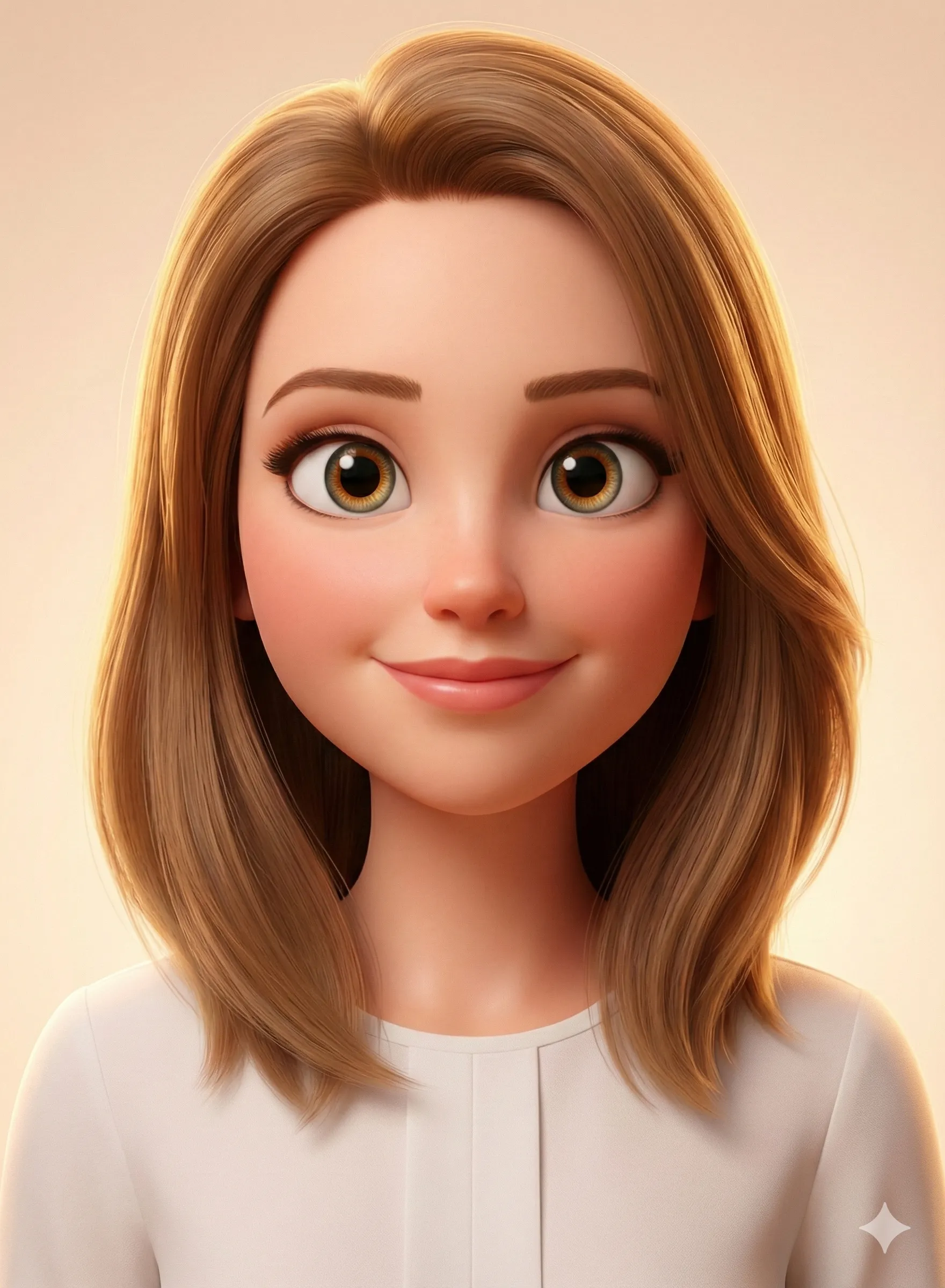 🎬 After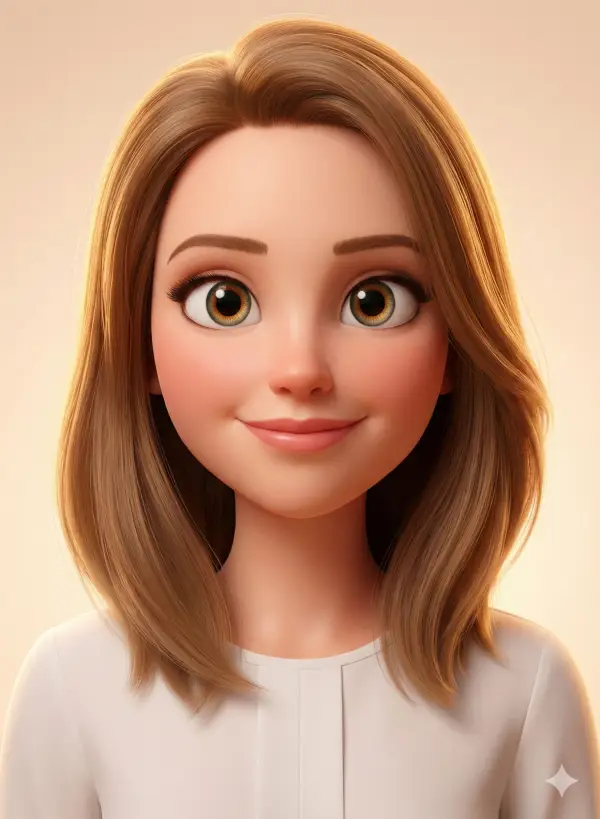
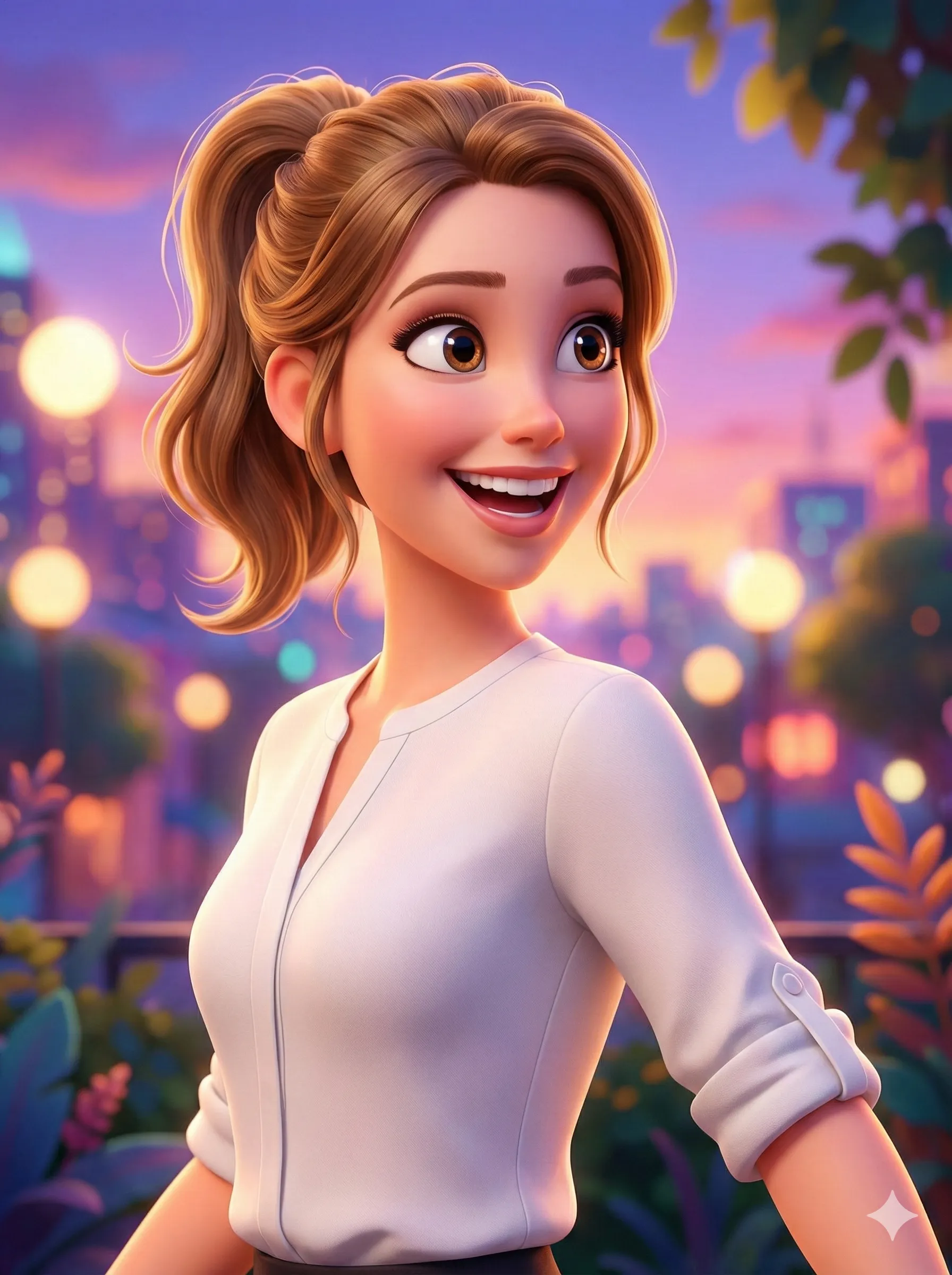

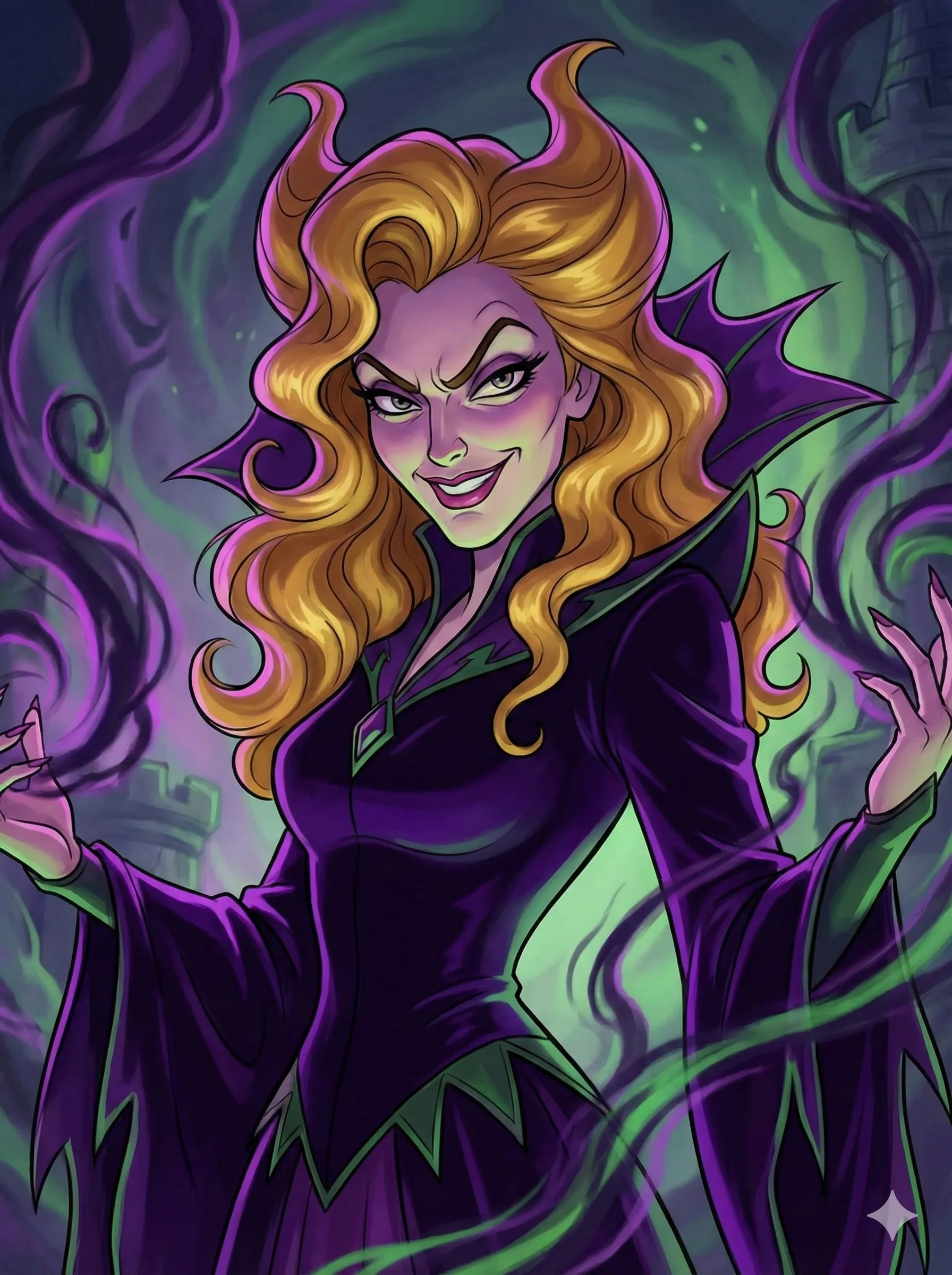
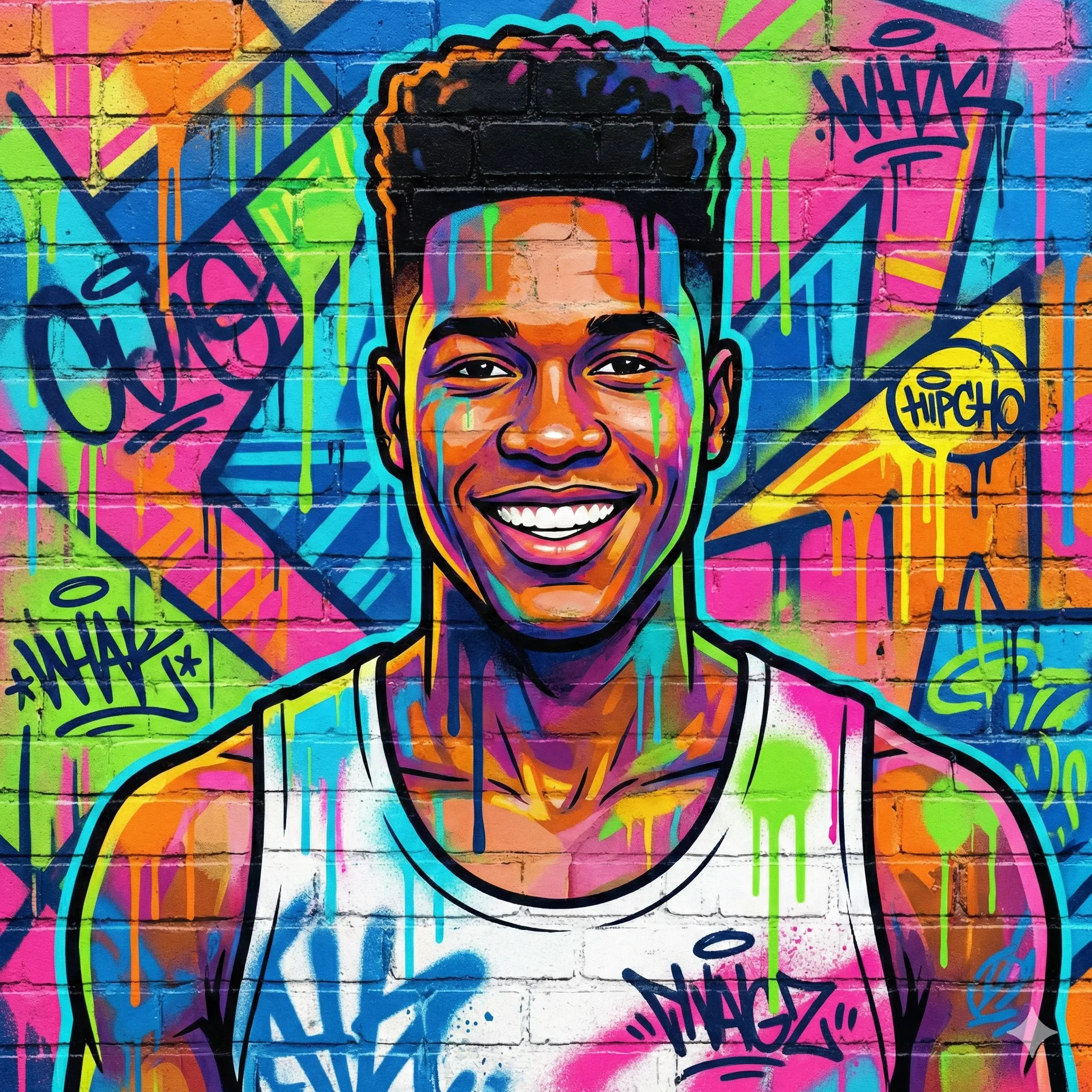

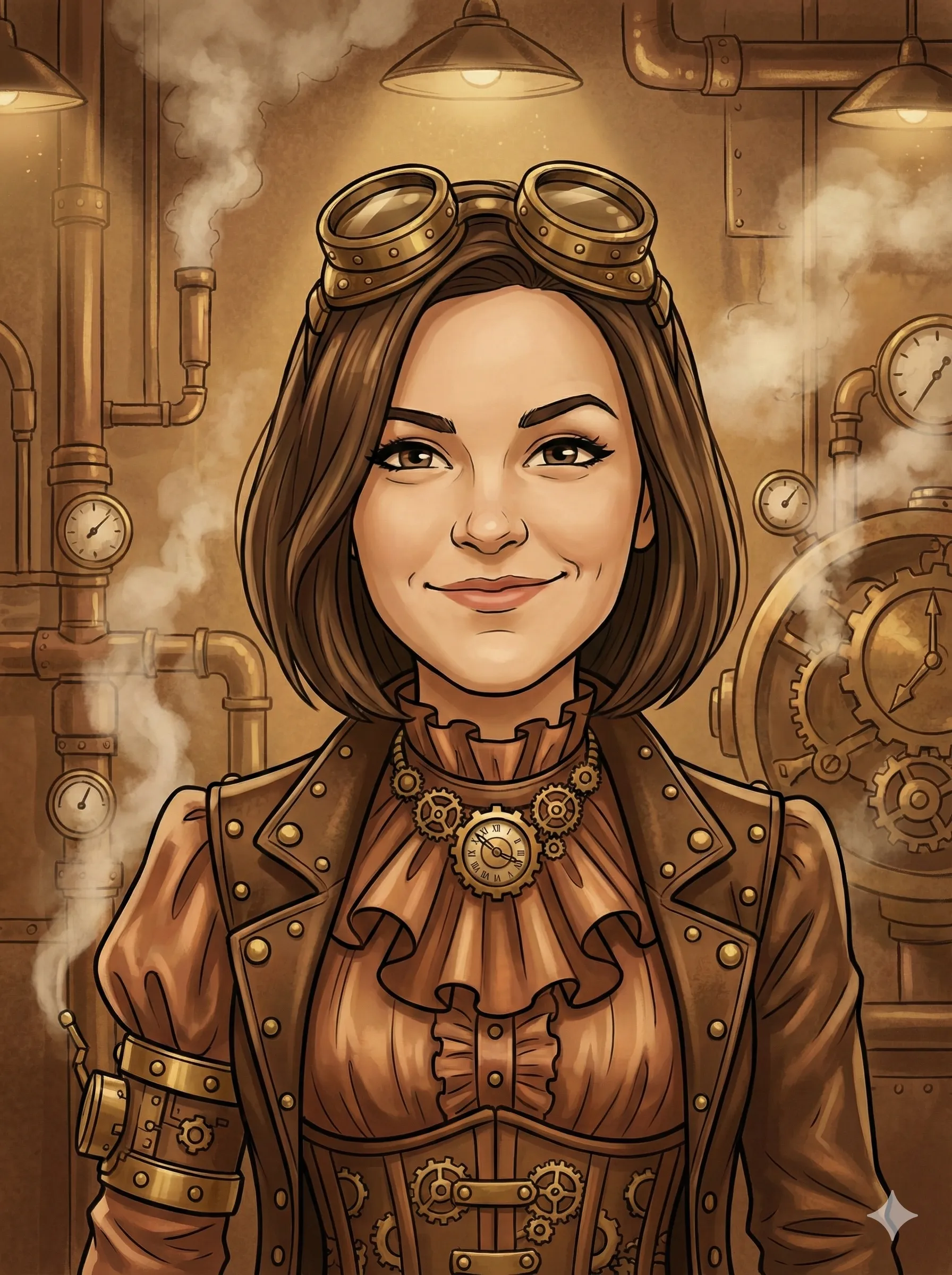



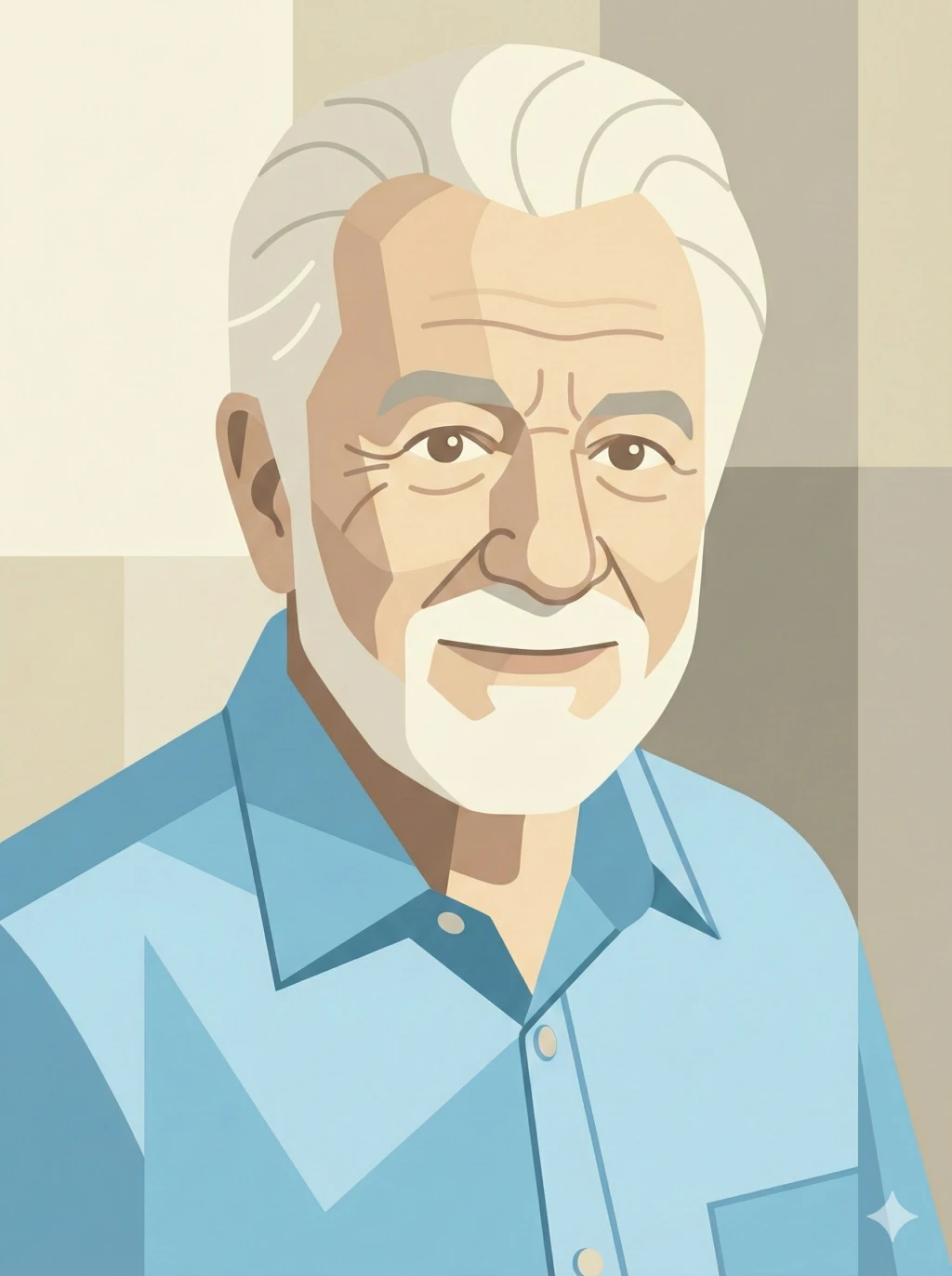
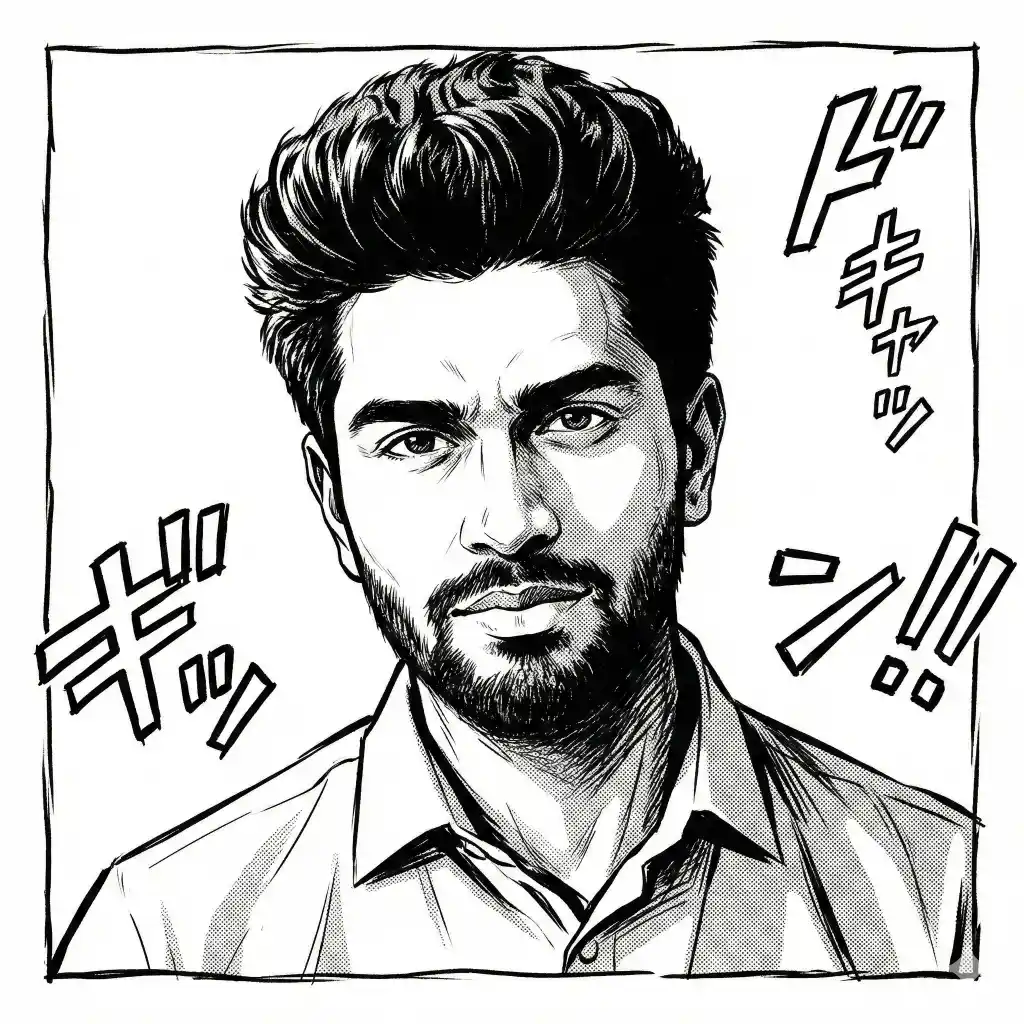
About 3D Animation
Origins, history, and what makes this art style unique
The artistic language of 3D animation draws from centuries of sculptural and cinematic tradition. Lighting techniques borrow heavily from the chiaroscuro methods of Baroque painters like Caravaggio, while character design principles echo the exaggerated proportions found in classical caricature. Leading animation studios refined a visual grammar that balances photorealistic rendering with stylized form — subsurface scattering for lifelike skin, global illumination for naturalistic environments, and carefully art-directed color palettes that guide emotional response. The "squash and stretch" principles codified by the golden-age masters of hand-drawn animation were translated into digital rigs, preserving the warmth of traditional animation within a technological framework.
Today, 3D animation stands as one of the most culturally dominant visual art forms in the world. From blockbuster films and AAA video games to architectural visualization and medical illustration, its influence permeates nearly every creative industry. The democratization of modern 3D modeling and real-time rendering tools has empowered independent artists to produce work that rivals major studio output. The style continues to evolve, with real-time rendering, neural radiance fields, and AI-assisted modeling pushing the boundaries of what is visually and narratively possible.
Key Elements
The core artistic techniques that define 3D Animation
Subsurface Scattering & Volumetric Lighting
Modern 3D animation relies on subsurface scattering to simulate light passing through translucent materials like skin, wax, and foliage. Combined with volumetric lighting techniques inherited from cinematography, this creates the warm, lifelike glow that distinguishes high-end 3D rendering from flat digital imagery.
Stylized Proportions & Shape Language
Drawing from caricature traditions dating back to the 18th century, 3D animated characters use exaggerated proportions — larger heads, expressive eyes, simplified silhouettes — to enhance readability and emotional connection. Shape language theory assigns personality traits to geometric forms: circles suggest friendliness, triangles imply danger, and squares convey stability.
Art-Directed Color & Composition
Every frame in professional 3D animation is composed like a painting, using color scripts that map emotional arcs to palette shifts across a sequence. This practice descends from the color theory work of Josef Albers and the tonal staging techniques developed by classic animation studio background painters in the 1940s and 1950s.
How It Works
Transform your photo into 3d animation art in 3 simple steps
Upload Your Photo
Choose any portrait photo from your device. Front-facing works best for stunning results.
Select 3D Animation
Our AI analyzes your photo and applies the 3d animation artistic style with precise attention to detail.
Download & Share
Get your high-quality cartoon portrait in about half a minute. Download in full resolution or share directly.
Perfect For
Before & After
See the 3D Animation transformation in action
3D Animation FAQ
3D animation style deliberately departs from photorealism through stylized proportions, simplified surface detail, and art-directed lighting that prioritizes emotional clarity over physical accuracy. While photorealistic rendering aims to be indistinguishable from a photograph, animation style uses the same underlying technology — ray tracing, global illumination, subsurface scattering — but applies it through an artistic filter rooted in caricature and traditional animation principles like squash-and-stretch.
The development of production rendering software by pioneering CG studios in the 1980s established the technical foundation for nearly all subsequent 3D animation. Innovations in shader development — particularly subsurface scattering for realistic skin and increasingly sophisticated hair and fur simulation systems — created the visual benchmark that audiences now associate with the style. Equally important was the artistic philosophy of using technology in service of storytelling, ensuring that rendering advances always enhanced emotional narrative rather than simply showcasing technical capability.
Shape language is a design principle where geometric forms communicate personality and narrative role before a single line of dialogue is spoken. Rooted in Gestalt psychology and refined by classic animation studio character designers in the mid-20th century, it assigns psychological associations to basic shapes: round forms suggest approachability and warmth, angular forms suggest aggression or intelligence, and square forms suggest reliability or stubbornness. In 3D animation, this principle is embedded directly into the character's mesh topology and rig, influencing how the character moves and deforms during animation.
Try 3D Animation
Style Now!🎬
Upload your photo and get your 3d animation portrait in about half a minute.