Rich impasto and luminous glazes of the Old Masters
Oil painting on canvas is the defining medium of Western fine art, developed in its modern form by Early Netherlandish painters — most notably Jan van Eyck (c. 1390–1441), who refined the technique of building luminous images through successive layers of...
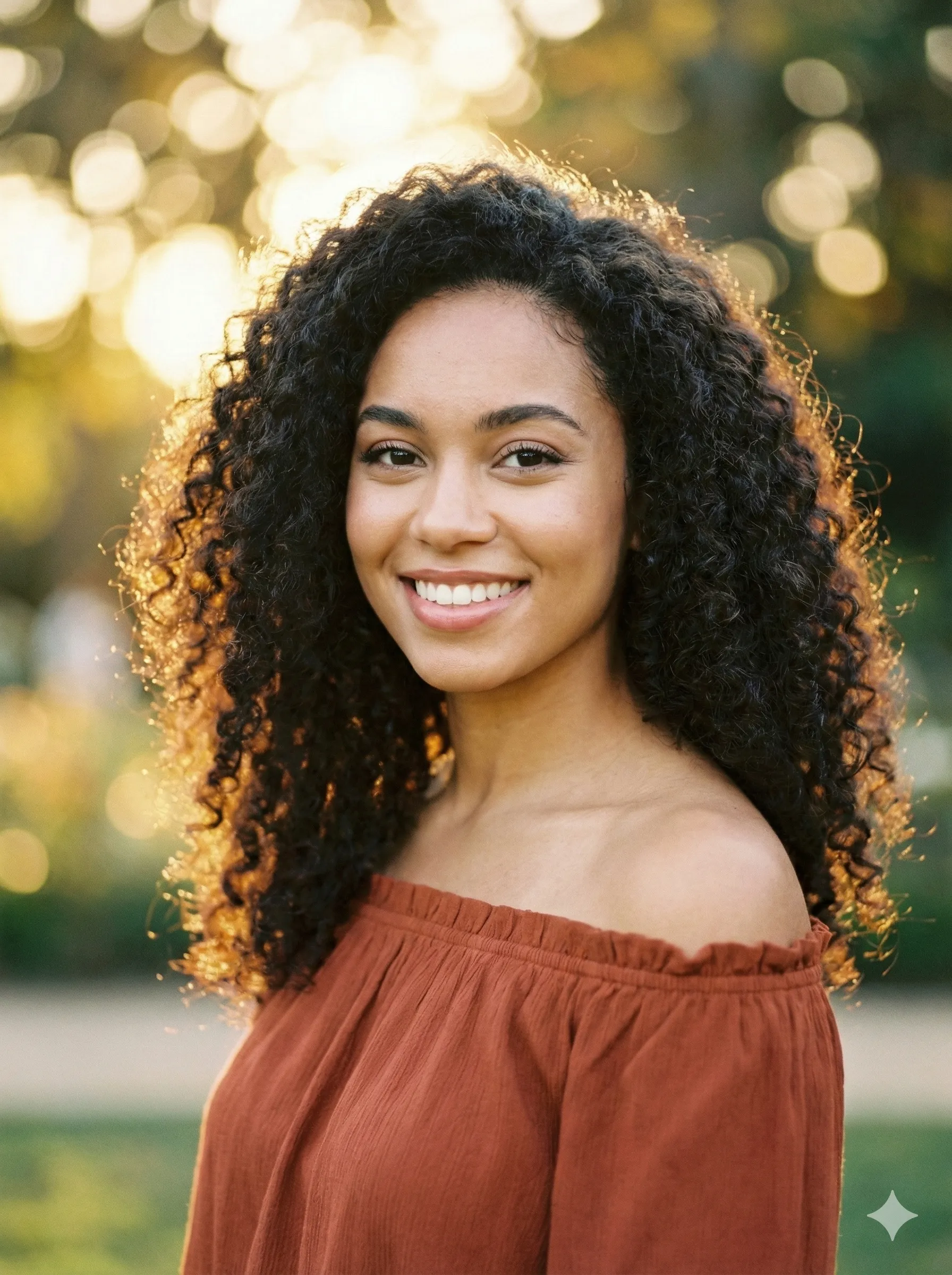 📷 Before
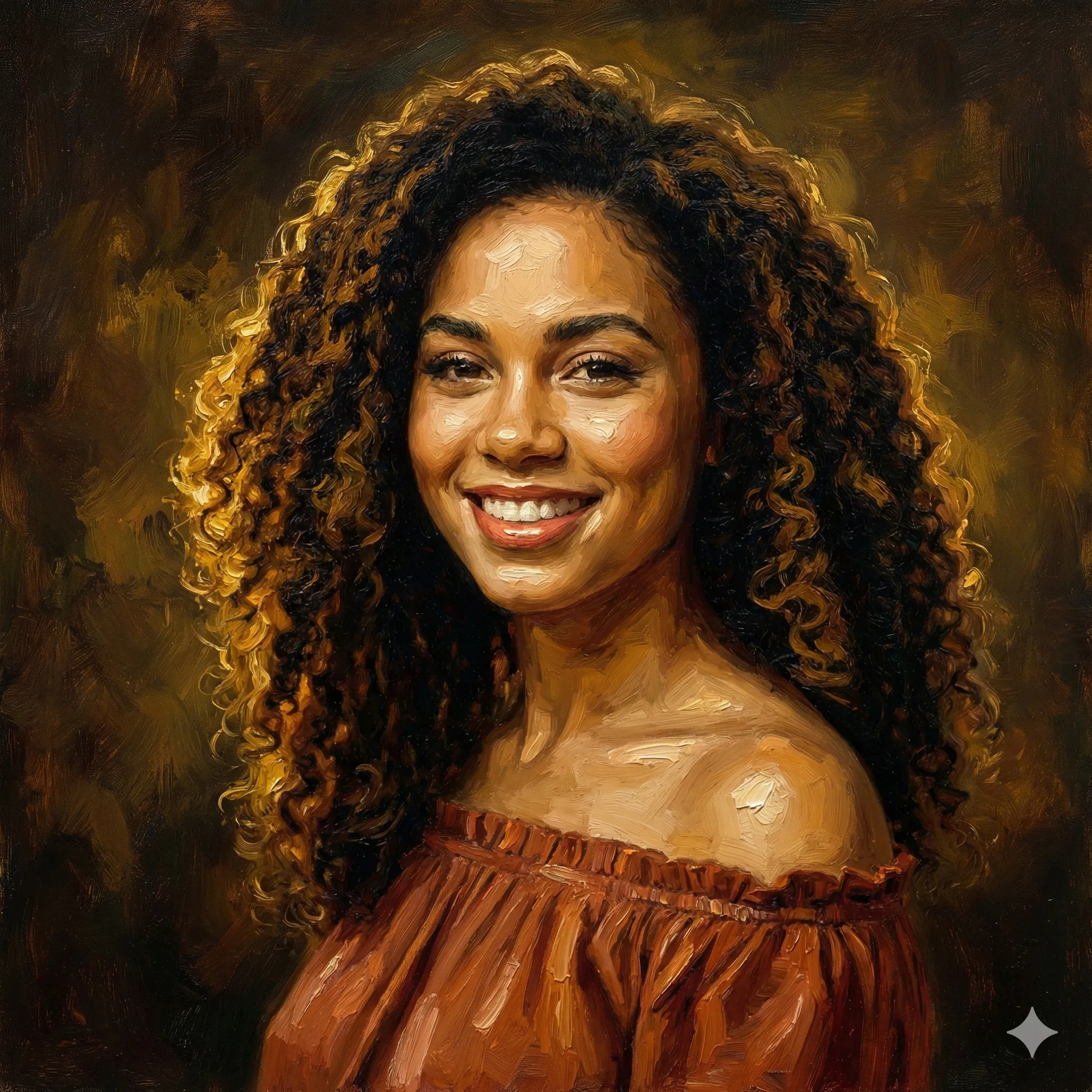 🖼 After
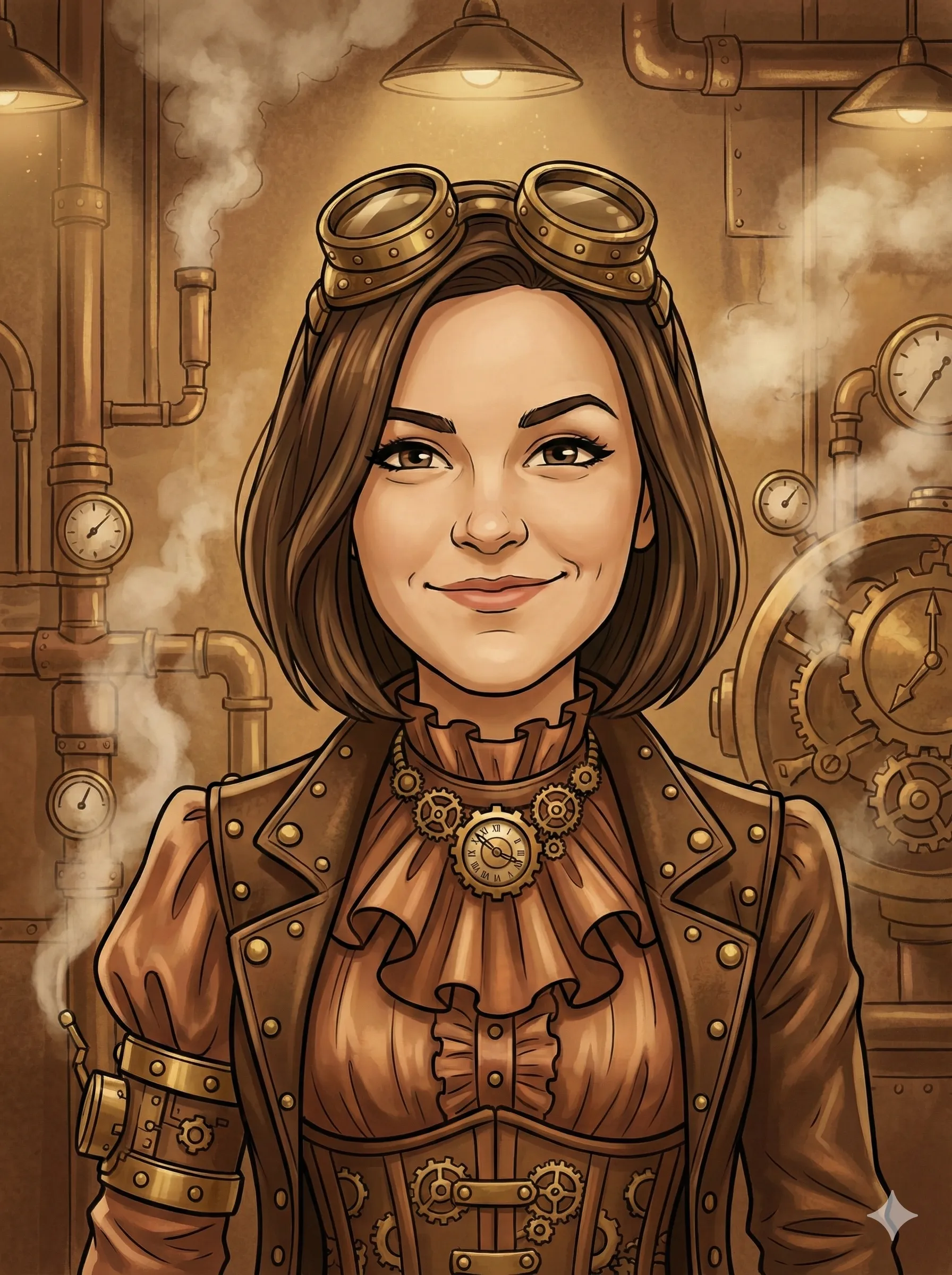



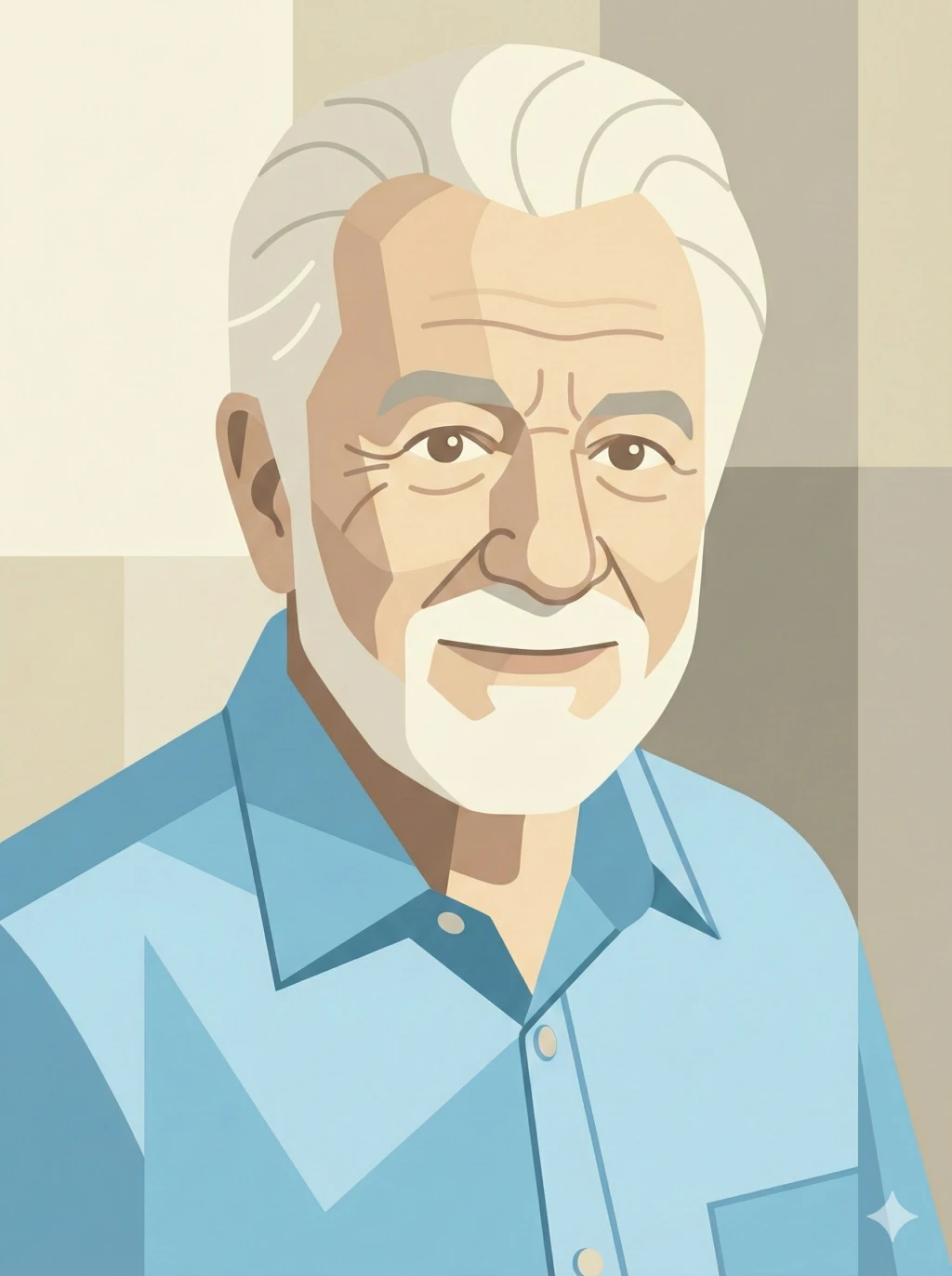
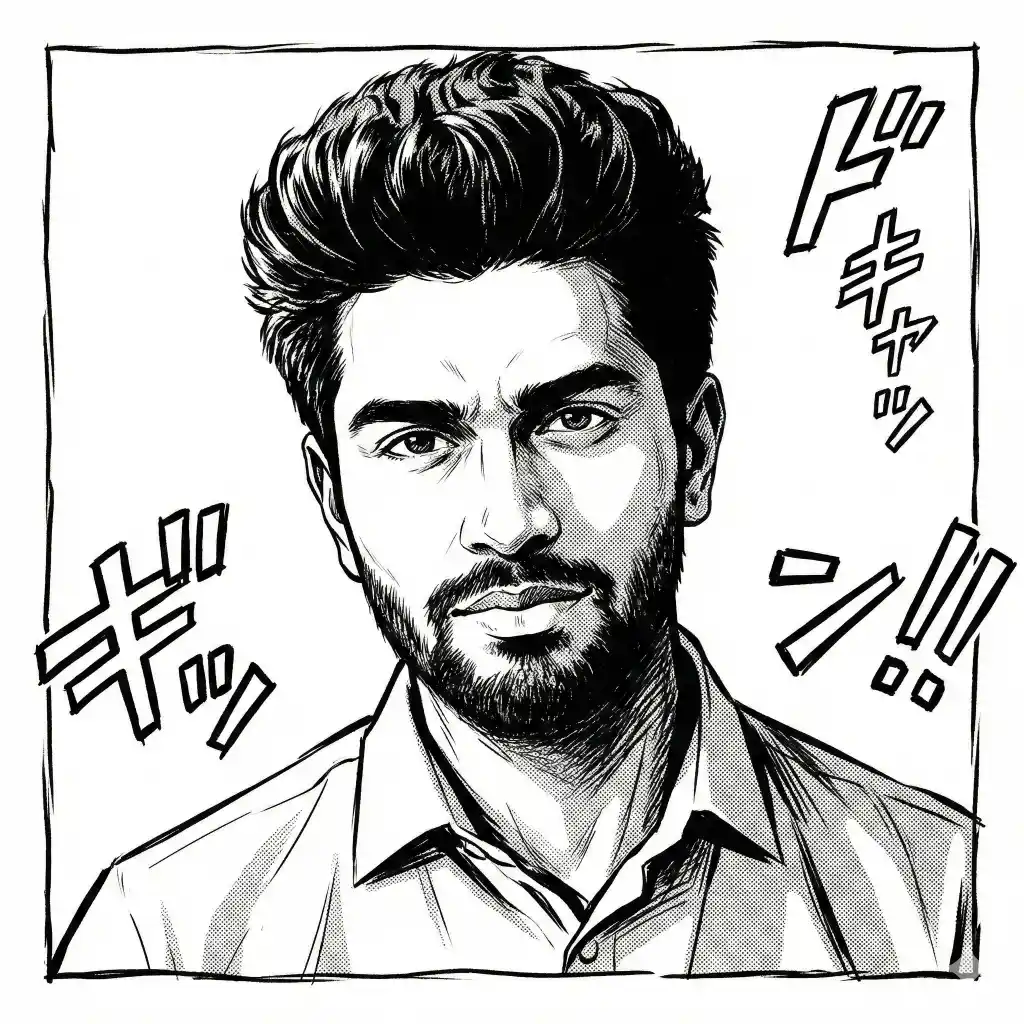
About Oil on Canvas
Origins, history, and what makes this art style unique
The technique encompasses an extraordinary range of approaches: the luminous sfumato glazes of Leonardo da Vinci, where edges dissolve into imperceptible gradations; Rembrandt van Rijn's revolutionary chiaroscuro and impasto, where thick paint applied with brush and palette knife creates actual three-dimensional texture on the canvas surface; Johannes Vermeer's crystalline precision achieved through camera obscura–assisted observation and meticulous layering; and the alla prima (wet-on-wet) directness of the Impressionists, who abandoned careful underpainting for immediate, spontaneous brushwork. Each approach exploits oil paint's unique properties: its slow drying time allows extended blending, its transparency enables optical color mixing through glazing, and its body permits both knife-edge precision and sculptural impasto.
The history of oil painting on canvas is essentially the history of Western visual art from the Renaissance through the 20th century. From Caravaggio's dramatic tenebrism through Velázquez's painterly realism, from Delacroix's Romantic dynamism through the radical experiments of the Impressionists and Post-Impressionists, and from the Abstract Expressionists' monumental canvases to the photorealist movement, oil on canvas has been the medium through which Western culture's greatest visual statements have been made. Its enduring appeal lies in the unmatched richness of oil pigments, the physical presence of brushwork on canvas, and the luminous depth that only successive layers of transparent color over a light ground can achieve.
Key Elements
The core artistic techniques that define Oil on Canvas
Impasto and Glaze Layer Technique
Replicates the Old Master method of building images through contrasting paint applications: thick impasto (raised brushstrokes of opaque paint) in light areas for physical texture and presence, and thin transparent glazes in shadows for optical depth — a technique perfected by Rembrandt and Titian.
Chiaroscuro and Tenebrism
Employs the dramatic light-to-dark contrast pioneered by Caravaggio and refined by Rembrandt, where a single strong light source sculpts the face from surrounding darkness. This technique creates powerful three-dimensional modeling and psychological intensity in portraiture.
Canvas Texture and Brushwork Presence
Preserves the physical materiality of oil painting — the weave of the canvas showing through thin passages, the directional energy of individual brushstrokes, the ridges of palette knife work — giving the image a tangible, handcrafted quality that distinguishes painting from photography.
How It Works
Transform your photo into oil on canvas art in 3 simple steps
Upload Your Photo
Choose any portrait photo from your device. Front-facing works best for stunning results.
Select Oil on Canvas
Our AI analyzes your photo and applies the oil on canvas artistic style with precise attention to detail.
Download & Share
Get your high-quality cartoon portrait in about half a minute. Download in full resolution or share directly.
Perfect For
Before & After
See the Oil on Canvas transformation in action
Oil on Canvas FAQ
Oil paint's slow drying time (days to weeks depending on pigment and medium) allows unparalleled blending and reworking. Its refractive index creates a luminous depth impossible with faster-drying media. Transparent pigments can be layered as glazes, allowing light to pass through multiple color layers and reflect off the white ground — producing optical color mixing of extraordinary richness. And its body ranges from liquid-thin washes to sculptural impasto, giving artists complete control over texture.
Rembrandt van Rijn developed a revolutionary technique combining smooth, almost invisible brushwork in shadow areas with bold, textured impasto in lights — sometimes applying paint so thickly that facial features literally project from the canvas surface. His use of a warm-toned ground, limited earth-tone palette, and dramatic single-source lighting (often called "Rembrandt lighting" in photography) created portraits of unprecedented psychological depth and physical presence.
Traditional layered painting, as practiced by van Eyck through the Academicians, builds the image in stages: an underpainting (grisaille or dead coloring), followed by successive layers of translucent color glazes, with final highlights added in opaque impasto. This could take weeks or months. Alla prima ("at first attempt"), adopted by the Impressionists and many modern painters, completes the painting in a single session while the paint is still wet, achieving freshness and spontaneity at the cost of the optical depth that layering provides.
Try Oil on Canvas
Style Now!🖼
Upload your photo and get your oil on canvas portrait in about half a minute.