Layered paper art with depth, shadow, and craft
Paper cutting is one of the world's most widespread and ancient decorative arts, with origins tracing to China shortly after the invention of paper itself (traditionally attributed to Cai Lun in 105 CE). Chinese paper cutting (剪纸, jiǎnzhǐ) became a deeply...
 📷 Before
 ✂️ After
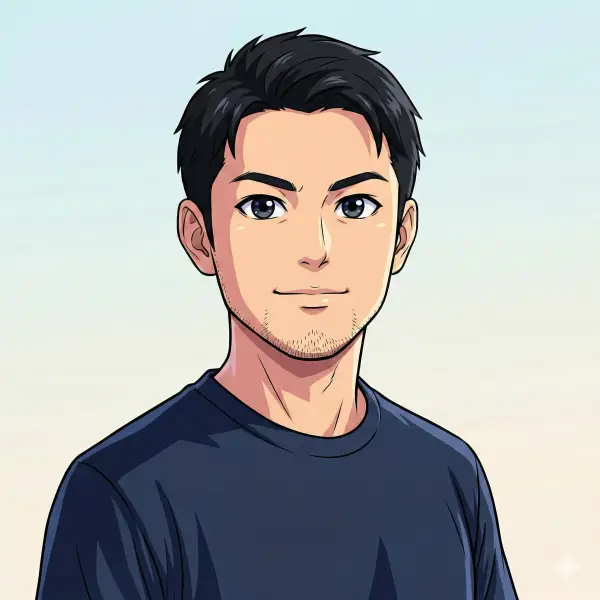


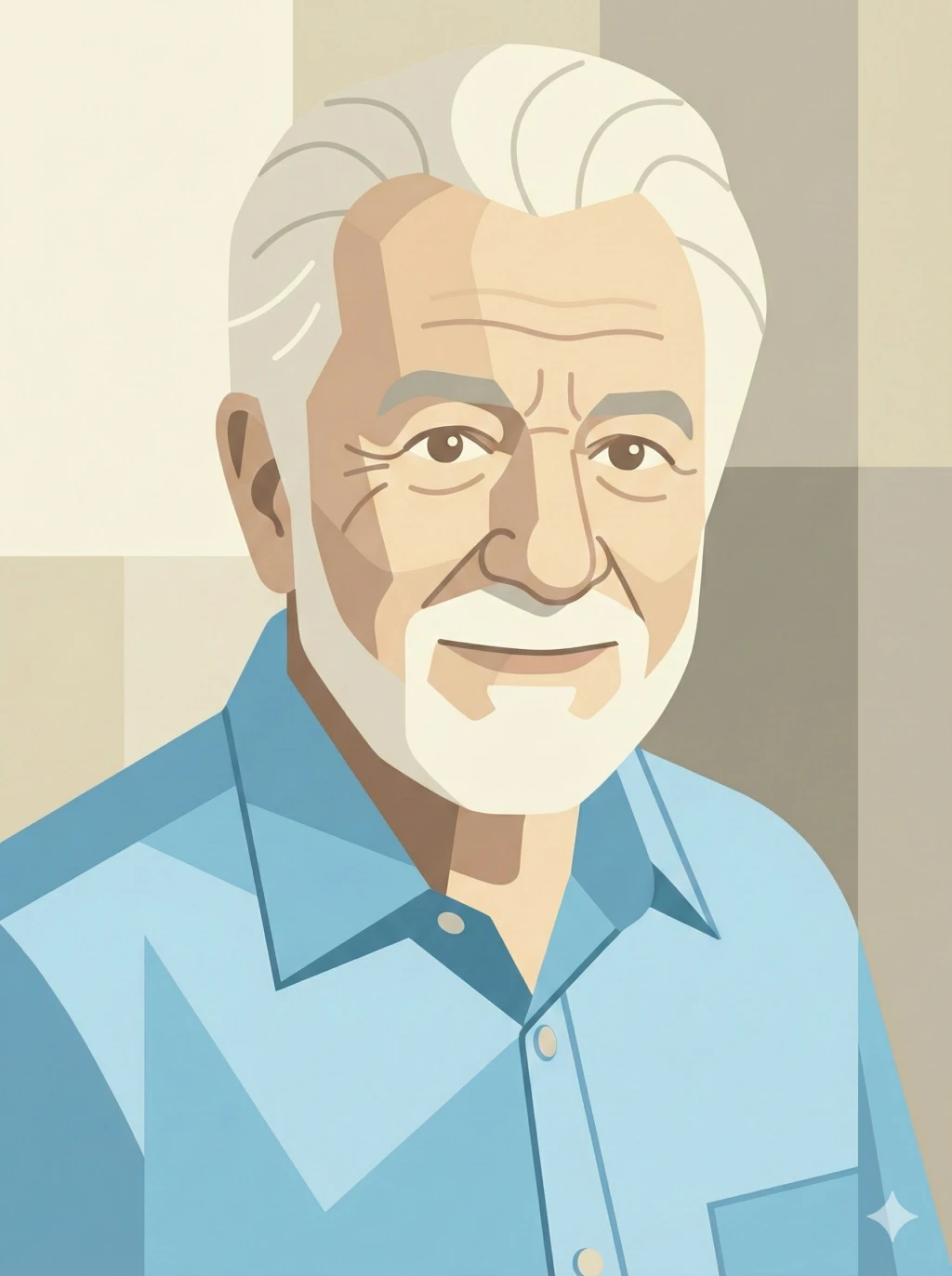
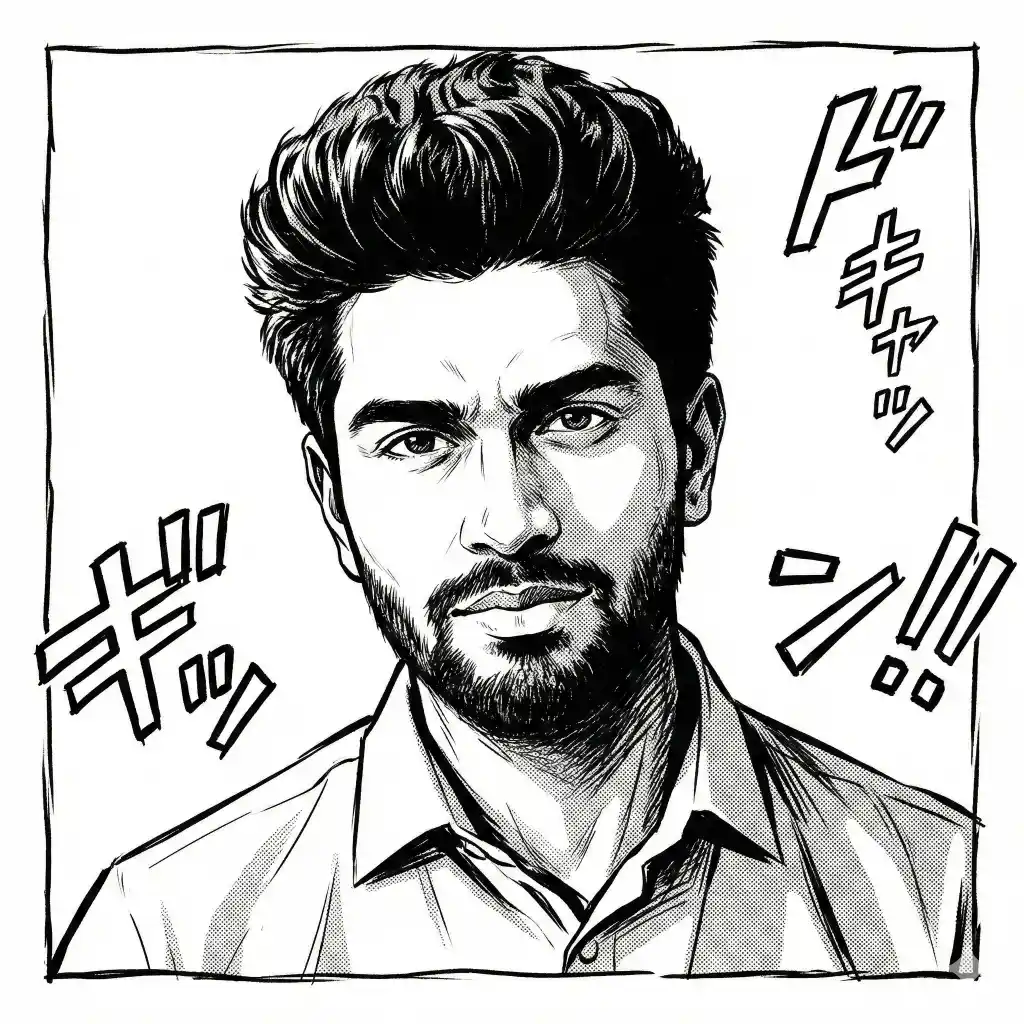
About Paper Cut
Origins, history, and what makes this art style unique
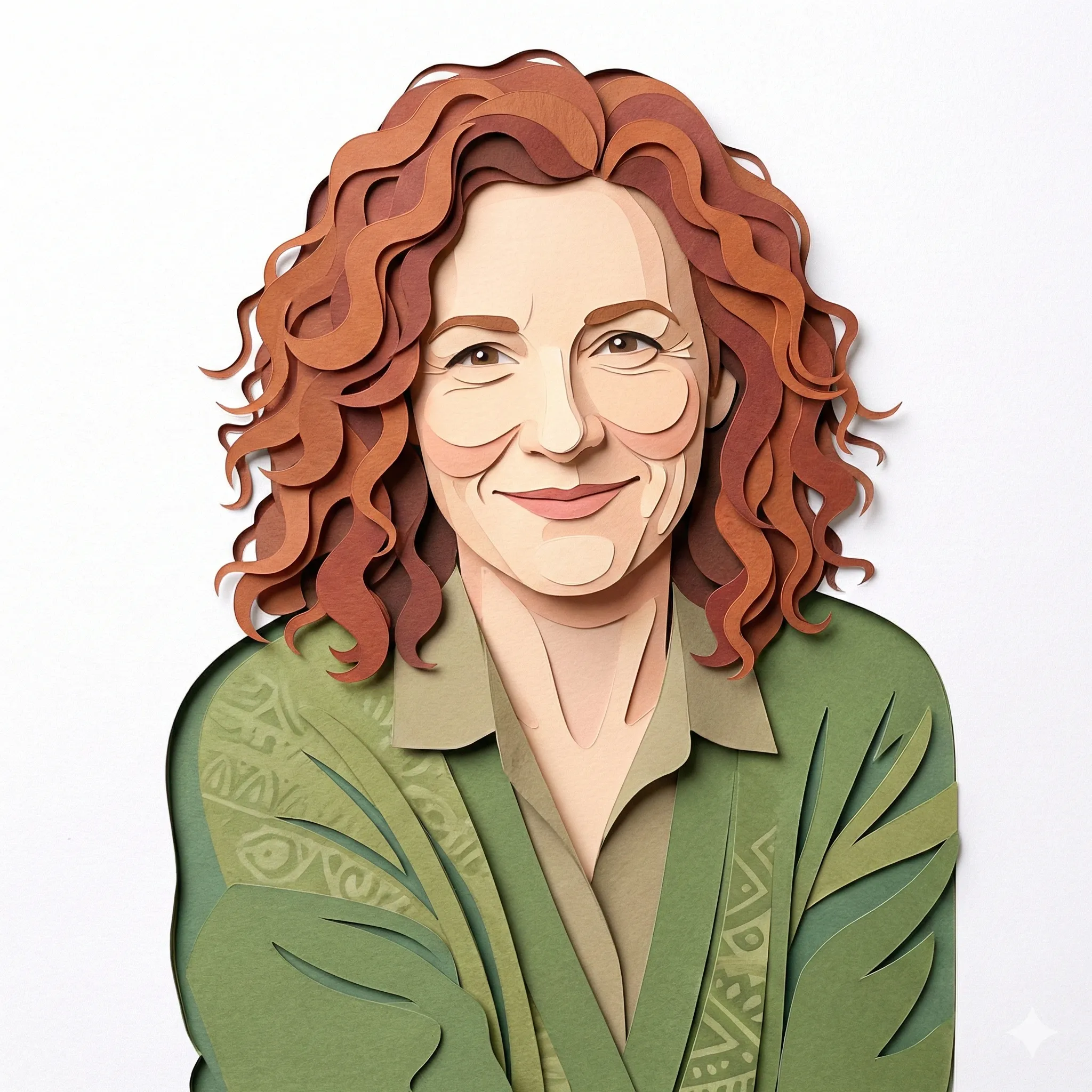
The contemporary paper cut aesthetic, as applied to illustration and digital art, emphasizes the three-dimensional quality of layered paper. Multiple paper layers in different colors are stacked with small separations between them, creating real shadows that add depth and dimensionality. Key visual elements include: clean-cut edges with the slight irregularity of hand-cut work, visible paper texture and fiber, cast shadows between layers that shift with implied lighting direction, and a limited palette determined by the discrete colors of each paper layer. The technique requires thinking in terms of positive and negative space — what is cut away is as important as what remains, making it compositionally related to printmaking and stencil art.
Notable contemporary paper cut artists have elevated the medium to fine art: Kara Walker's monumental silhouette installations address race and American history through the language of Victorian cut-paper profiles. Rob Ryan's intricate narrative paper cuts combine image and text in romantic, fairy-tale compositions. Bovey Lee creates extraordinary large-scale works cut from single sheets of Chinese rice paper. And Peter Callesen transforms single sheets of A4 paper into sculptural works that play with the boundary between two and three dimensions. The digital interpretation of paper cut style has become popular in animation and children's book illustration, as well as commercial design, where its warmth, tactile quality, and handcrafted charm provide a counterpoint to slick digital perfection.
Key Elements
The core artistic techniques that define Paper Cut
Multi-Layer Dimensional Construction
Builds the image from distinct layers of colored paper separated by small gaps, creating real cast shadows that add physical depth — a technique that transforms flat paper into a relief sculpture, with each layer representing a different plane of the composition from background to foreground.
Positive and Negative Space Interplay
Follows the fundamental principle of paper cutting where the removed (negative) space is as compositionally important as the remaining (positive) paper. This constraint, shared with Chinese jiǎnzhǐ and European Scherenschnitte traditions, produces designs of elegant economy where every cut serves both structural and decorative purposes.
Tactile Paper Texture and Hand-Cut Character
Preserves the material qualities of physical paper — visible fiber texture, slight edge irregularities from hand cutting, the soft shadow cast by a paper edge lifted from its surface — lending the image a warmth and handcrafted authenticity that connects it to centuries of folk art tradition.
How It Works
Transform your photo into paper cut art in 3 simple steps
Upload Your Photo
Choose any portrait photo from your device. Front-facing works best for stunning results.
Select Paper Cut
Our AI analyzes your photo and applies the paper cut artistic style with precise attention to detail.
Download & Share
Get your high-quality cartoon portrait in about half a minute. Download in full resolution or share directly.
Perfect For
Before & After
See the Paper Cut transformation in action
Paper Cut FAQ
Chinese jiǎnzhǐ (剪纸) is the oldest continuous tradition, dating to the 6th century CE, primarily using red paper for festival decorations. German Scherenschnitte developed refined black silhouette cutting in the 16th–17th centuries. Polish Wycinanki features multi-layered, brightly colored designs from sheep-shearing scissors. Japanese kirigami combines cutting with folding. Mexican papel picado uses chisels to perforate tissue paper for festival banners. Jewish Mizrach paper cuts were created for synagogue and home decoration. Each tradition developed unique techniques, tools, and symbolic vocabularies.
Physical paper cut art achieves depth through layering — multiple sheets of paper are stacked with spacers (foam, cardboard) between them, and ambient light creates natural shadows between layers. The further a layer is from the surface, the softer and more diffused its shadow. Digital interpretations simulate this with drop shadows of varying blur and offset. Color also plays a role: warmer, more saturated colors appear to advance while cooler, lighter tones recede, creating atmospheric depth within the flat-color constraints of the medium.
Kara Walker creates room-sized black paper silhouette installations exploring race and American history. Rob Ryan produces intricate narrative paper cuts combining romantic imagery with poetic text. Bovey Lee cuts extraordinary detailed scenes from single sheets of Chinese rice paper. Nahoko Kojima creates three-dimensional paper cut sculptures of remarkable complexity. Peter Callesen transforms individual A4 sheets into sculptural works. And Elsa Mora produces delicate, nature-inspired paper cuts that bridge folk art tradition and contemporary fine art.
Try Paper Cut
Style Now!✂️
Upload your photo and get your paper cut portrait in about half a minute.