The meditative art of water and ink in Eastern tradition
Ink wash painting (水墨画, shuǐmòhuà in Chinese; sumi-e in Japanese) is one of the most revered artistic traditions in East Asia, originating in Tang Dynasty China (618–907 CE) and deeply intertwined with Chan (Zen) Buddhist philosophy and Daoist aesthetics. The...
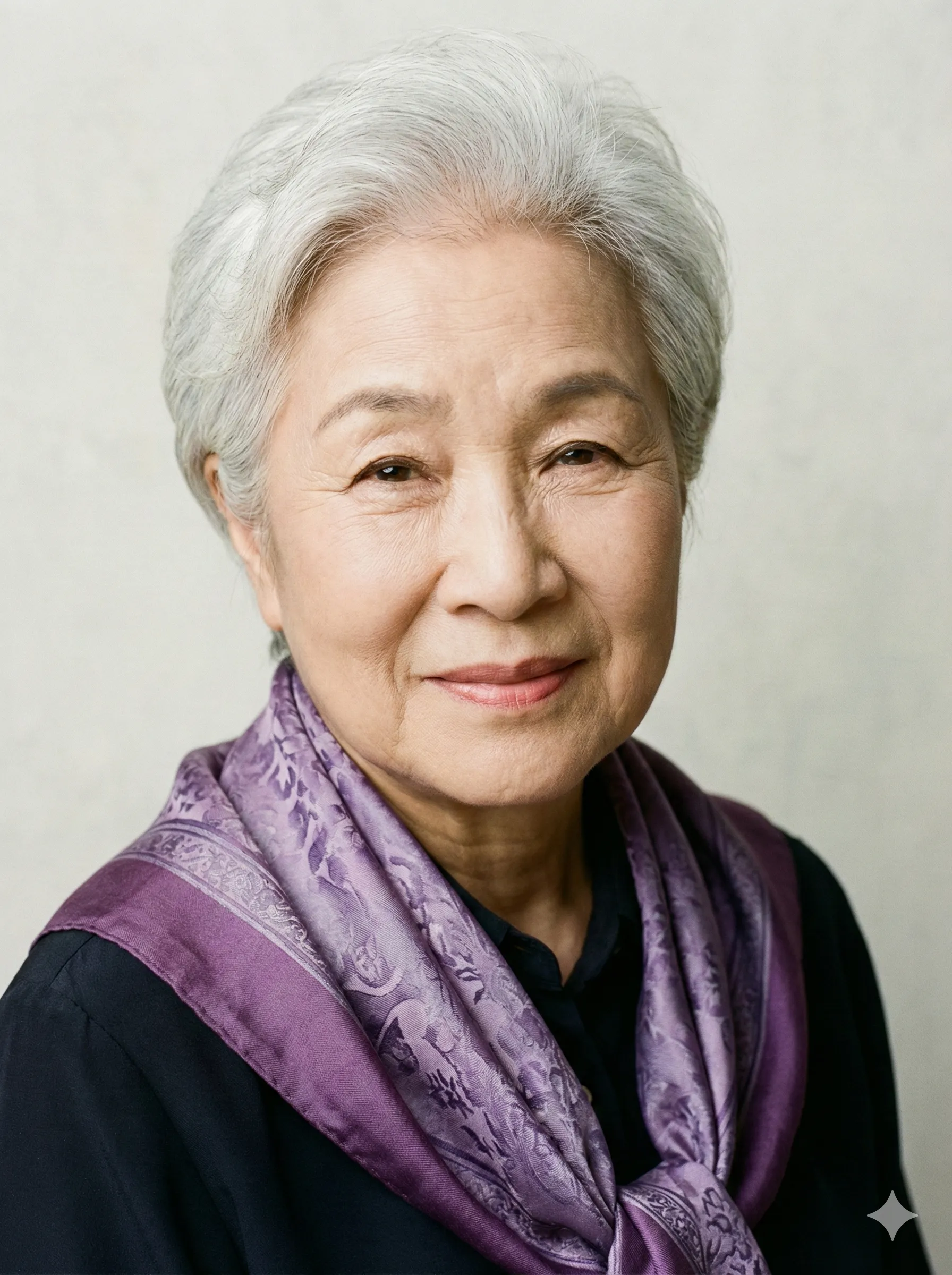 📷 Before
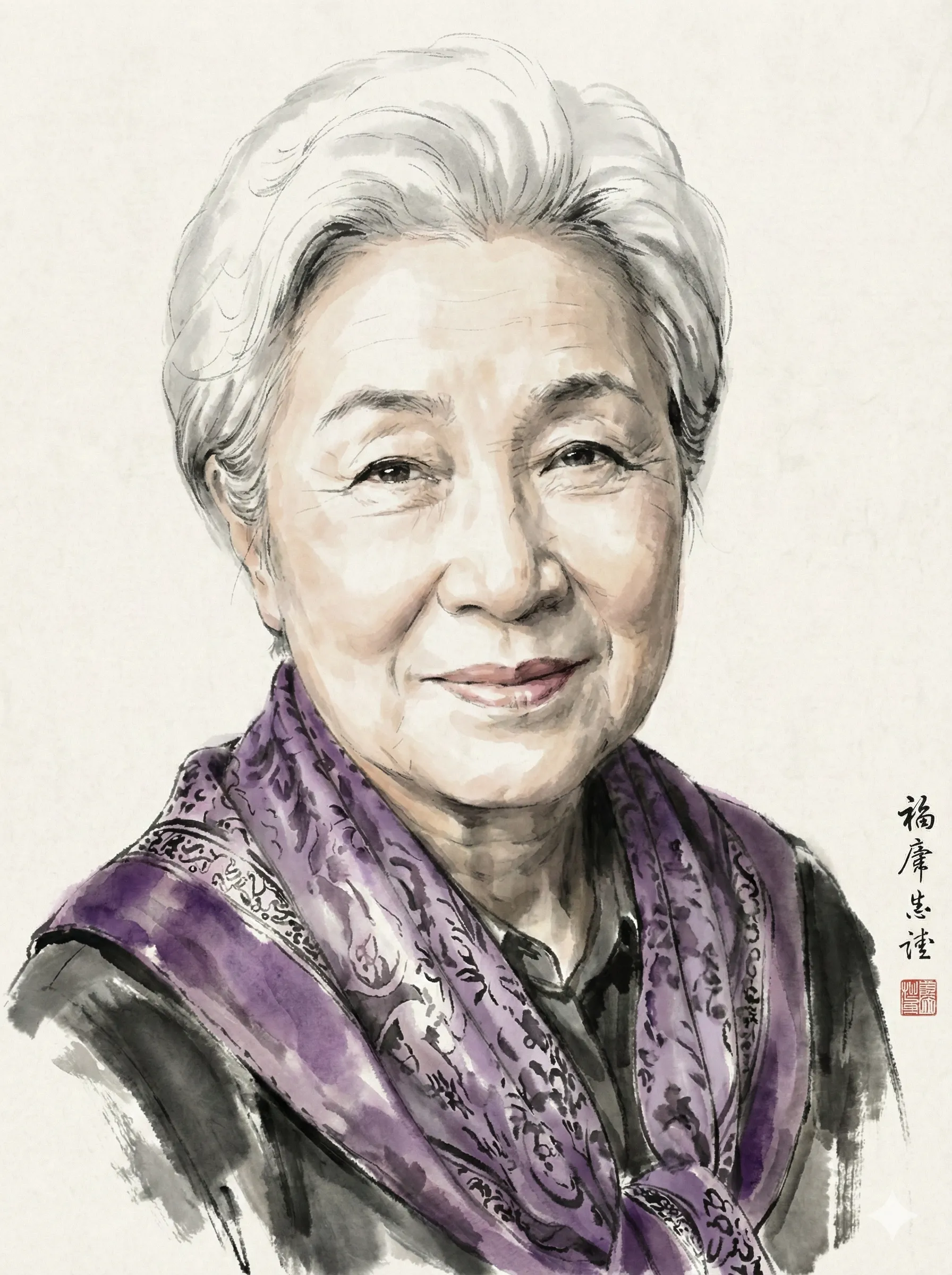 🖌️ After











About Ink Wash
Origins, history, and what makes this art style unique
The technique was further developed during the Song Dynasty (960–1279) by masters like Mi Fu and his son Mi Youren, who pioneered the "Mi dot" technique for rendering misty mountain landscapes. The "Four Treasures of the Study" — brush, ink, paper, and inkstone — became objects of deep cultural significance. In Japan, sumi-e was introduced through Zen monasteries in the 14th century, with Sesshū Tōyō (1420–1506) becoming perhaps the greatest Japanese ink wash master. The tradition emphasizes economy of means: a single confident brushstroke should convey both the physical form and the inner spirit (qi) of the subject. Empty space (留白, liúbái) is not absence but a positive compositional element representing mist, water, sky, or the infinite void.
The philosophical underpinnings of ink wash painting distinguish it fundamentally from Western artistic traditions. Where European art historically pursued ever-greater verisimilitude, ink wash painting sought to capture the essence (yi) rather than the appearance of things. The "Six Principles of Chinese Painting" formulated by Xie He in the 5th century — beginning with "spirit resonance" and "bone method" of brushwork — remain the foundational criteria for evaluating ink wash art. The tradition continues to influence contemporary artists worldwide, from the abstract expressionism of Zao Wou-Ki to the installations of Xu Bing.
Key Elements
The core artistic techniques that define Ink Wash
Monochrome Tonal Range Through Dilution
Achieves the full spectrum of values using a single pigment — black ink (墨) — diluted to varying concentrations, from barely-tinted water to saturated black. This constraint, central to shuǐmòhuà tradition since the Tang Dynasty, demands mastery of water control and brush loading.
Calligraphic Brushwork and Qi
Each brushstroke is executed with the decisiveness and rhythmic energy of Chinese calligraphy, carrying both descriptive and expressive meaning. The "bone method" (骨法用筆) described by Xie He demands that strokes convey structural strength and inner vitality (qi) in a single, unrepeatable gesture.
Negative Space as Positive Element
Empty space (留白) functions not as absence but as a vital compositional presence — representing mist, atmosphere, water, or philosophical void. This principle, rooted in Daoist concepts of emptiness and fullness, gives ink wash paintings their characteristic sense of spaciousness and contemplative stillness.
How It Works
Transform your photo into ink wash art in 3 simple steps
Upload Your Photo
Choose any portrait photo from your device. Front-facing works best for stunning results.
Select Ink Wash
Our AI analyzes your photo and applies the ink wash artistic style with precise attention to detail.
Download & Share
Get your high-quality cartoon portrait in about half a minute. Download in full resolution or share directly.
Perfect For
Before & After
See the Ink Wash transformation in action
Ink Wash FAQ
Ink wash painting is deeply rooted in Chan (Zen) Buddhism and Daoist philosophy. Rather than capturing outward appearance, it seeks to express the inner essence (yi) and vital energy (qi) of subjects through disciplined spontaneity. The Daoist principle that emptiness contains infinite potential is manifested in the tradition's celebrated use of blank space, while the Zen emphasis on direct, unmediated experience shapes the practice of executing each brushstroke as an unrepeatable, present-moment act.
Wang Wei (699–759) established monochrome landscape painting as a distinct tradition during the Tang Dynasty. The Song Dynasty produced extraordinary masters including Mi Fu, Liang Kai, and Muqi. In Japan, Sesshū Tōyō (1420–1506) brought sumi-e to its highest expression. The Ming Dynasty's Dong Qichang theorized the "Southern School" lineage of literati ink painting that remains influential today.
The "Four Treasures of the Study" (文房四宝) are: the brush (筆), typically made of animal hair (goat, wolf, or rabbit) set in bamboo; the ink stick (墨), made from pine soot or lampblack mixed with animal glue; the inkstone (硯), used for grinding the ink stick with water; and the paper (紙), traditionally handmade xuan paper from Anhui province, prized for its absorbency and how it interacts with wet ink to create characteristic bleeding effects.
Try Ink Wash
Style Now!🖌️
Upload your photo and get your ink wash portrait in about half a minute.