Fluid elegance meets luminous color
Watercolor painting is one of humanity's oldest artistic mediums, with roots stretching back to Paleolithic cave paintings where mineral pigments were suspended in water and applied to stone surfaces. The medium as we recognize it today began its formal...
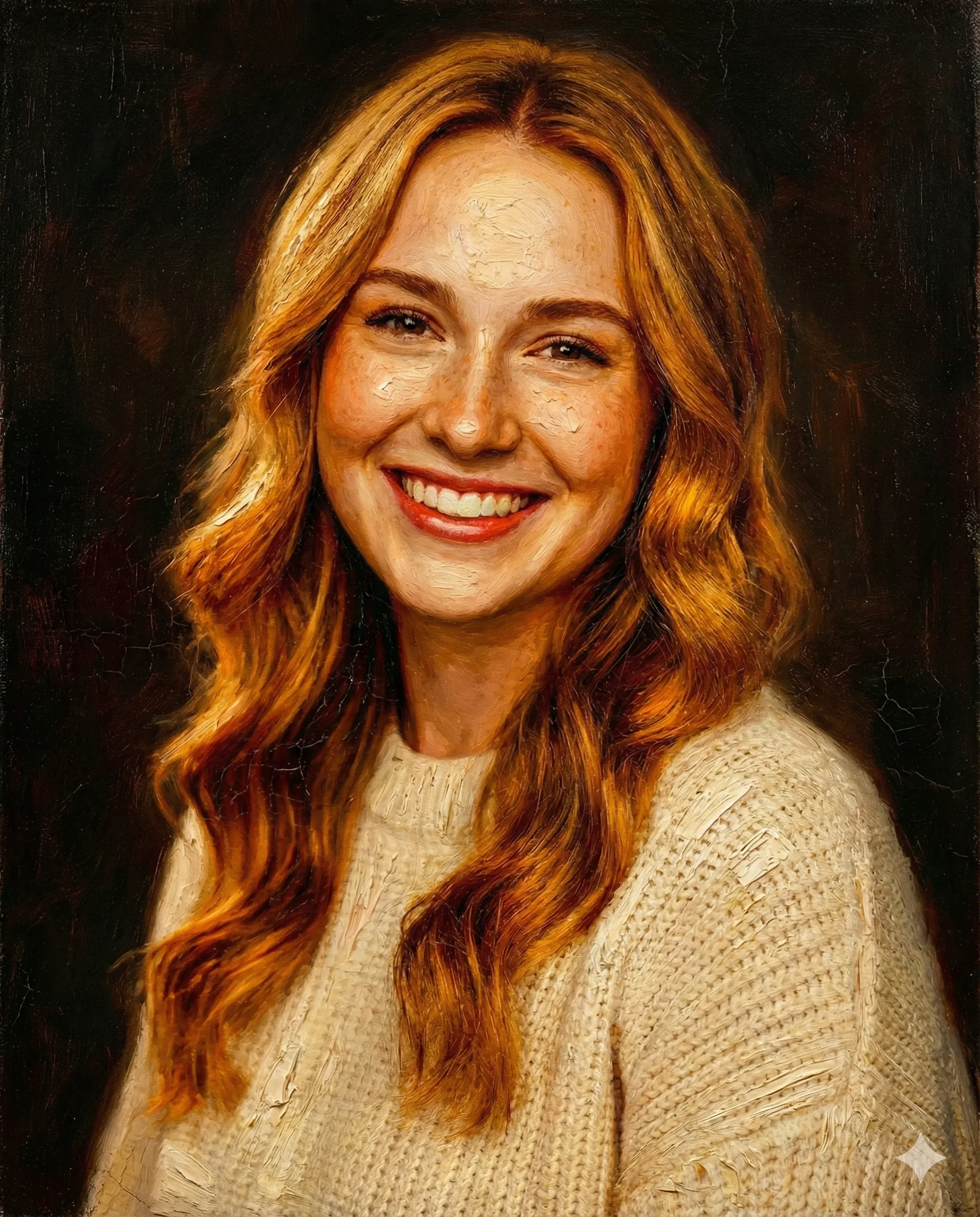
 📷 Before
 🎨 After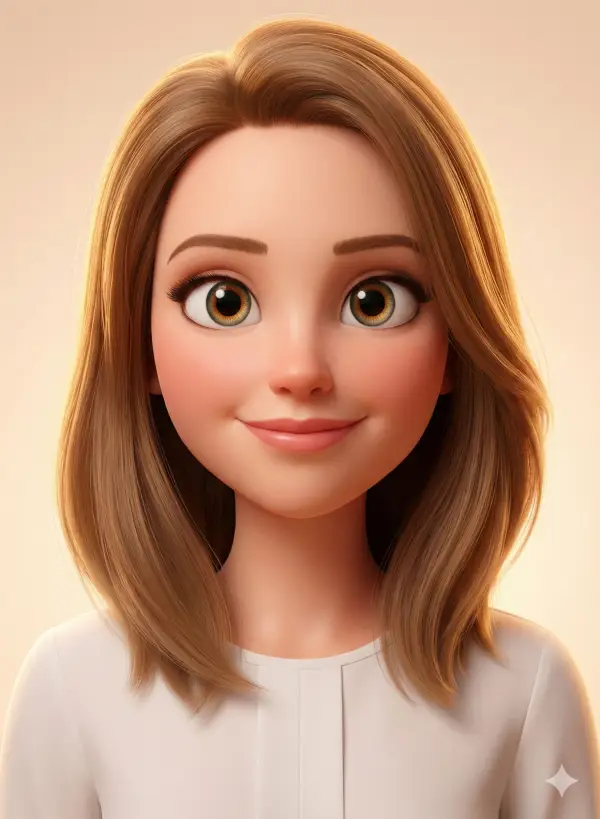





About Watercolor
Origins, history, and what makes this art style unique
The golden age of Western watercolor arrived in 18th and 19th century Britain, where the medium was elevated from preparatory sketch tool to fine art in its own right. J.M.W. Turner revolutionized the possibilities of watercolor through his luminous seascapes and atmospheric studies, exploiting the medium's unique capacity to capture light passing through translucent pigment layers. The Royal Watercolour Society, founded in 1804, formalized the medium's status in the British art establishment. Across the Atlantic, Winslow Homer brought a bold, direct approach to watercolor that captured American landscapes and maritime subjects with unprecedented vigor, while John Singer Sargent's virtuosic watercolors demonstrated that the medium could achieve the tonal range and compositional ambition of oil painting. The technique fundamentally relies on the interaction between water, pigment, and paper — wet-on-wet applications create soft, diffused edges and spontaneous color blooms, while wet-on-dry layering (glazing) builds depth through transparent overlapping washes.
In the modern era, watercolor continues to occupy a unique position in the art world as a medium that demands both technical precision and willingness to embrace unpredictability. The "happy accidents" that occur when pigments interact on wet paper — granulation, backruns, cauliflowers — are not merely tolerated but celebrated as essential to the medium's expressive character. Contemporary watercolorists like Alvaro Castagnet, Joseph Zbukvic, and Agnes Cecile have expanded the medium's vocabulary, incorporating mixed-media techniques and digital workflows while honoring the fundamental principle that makes watercolor unique among painting media: the luminosity that comes from light reflecting off the white paper surface through transparent pigment, rather than bouncing off an opaque paint layer.
Key Elements
The core artistic techniques that define Watercolor
Transparency & Luminous Glazing
Unlike opaque media such as oil or acrylic, watercolor achieves its characteristic luminosity through transparency — light passes through thin layers of pigment, reflects off the white paper beneath, and returns through the color to the viewer's eye. This optical mixing, similar to the principle behind stained glass, produces colors of exceptional vibrancy. The glazing technique, where dried layers are overlaid with new transparent washes, allows artists to build complex color relationships while maintaining this inner glow.
Wet-on-Wet Diffusion & Controlled Accidents
The wet-on-wet technique, where pigment is applied to pre-moistened paper, produces the soft, diffused edges and spontaneous color interactions that define watercolor's visual identity. When pigments of different densities meet on a wet surface, they create granulation patterns, backruns, and blooming effects that are unique to each application. Master watercolorists learn to control these ostensibly random effects by managing paper moisture, pigment concentration, and timing — turning apparent chaos into directed expression.
Negative Space & Economy of Stroke
Watercolor's reliance on the white paper surface for its lightest values necessitates a subtractive approach to composition — the artist must plan where NOT to paint. This principle of preserved whites, combined with the medium's resistance to overworking, enforces an economy of expression that connects Western watercolor practice to East Asian ink painting traditions. The most respected watercolorists achieve maximum impact with minimum intervention, letting suggestion replace description.
How It Works
Transform your photo into watercolor art in 3 simple steps
Upload Your Photo
Choose any portrait photo from your device. Front-facing works best for stunning results.
Select Watercolor
Our AI analyzes your photo and applies the watercolor artistic style with precise attention to detail.
Download & Share
Get your high-quality cartoon portrait in about half a minute. Download in full resolution or share directly.
Perfect For
Before & After
See the Watercolor transformation in action
Watercolor FAQ
Watercolor is fundamentally distinguished by its transparency — it is the only major painting medium where the support surface (white paper) serves as the lightest value, with light passing through pigment layers rather than reflecting off them. This creates a luminous quality impossible to replicate in opaque media like oil or acrylic. Additionally, watercolor's fluid, water-based nature introduces an element of controlled unpredictability: pigment granulation, color blooming, and edge diffusion occur through the physical interaction of water, gravity, and pigment particle size, making every painting a collaboration between artist intention and material behavior.
Albrecht Dürer's 15th-century botanical studies demonstrated watercolor's potential for precise naturalistic rendering. J.M.W. Turner transformed the medium in the early 19th century, using it to capture atmospheric light effects that prefigured Impressionism by decades. Winslow Homer brought directness and boldness to American watercolor in the late 1800s. John Singer Sargent proved the medium could match oil painting's tonal range and compositional ambition. In the East Asian tradition, painters like Sesshū Tōyō in 15th-century Japan and the Song Dynasty masters in China established ink wash techniques that profoundly influenced global watercolor practice.
The AI watercolor transformation preserves facial likeness by maintaining accurate proportional relationships and tonal values in the face while applying watercolor characteristics more liberally in peripheral areas. Key identity features — the specific geometry of eyes, nose, mouth, and jawline — are rendered with the more controlled wet-on-dry technique, while hair, clothing, and background receive the looser wet-on-wet treatment. This mirrors the approach of master portrait watercolorists like Sargent, who preserved structural accuracy in focal areas while allowing painterly freedom in supporting passages.
Try Watercolor
Style Now!🎨
Upload your photo and get your watercolor portrait in about half a minute.