Dreamlike wonder, hand-painted magic
The hand-painted anime style, perfected by a beloved Japanese animation house founded in 1985, is one of the most recognizable and cherished visual traditions in the history of animation. Its aesthetic — characterized by luminous hand-painted backgrounds,...
 📷 Before
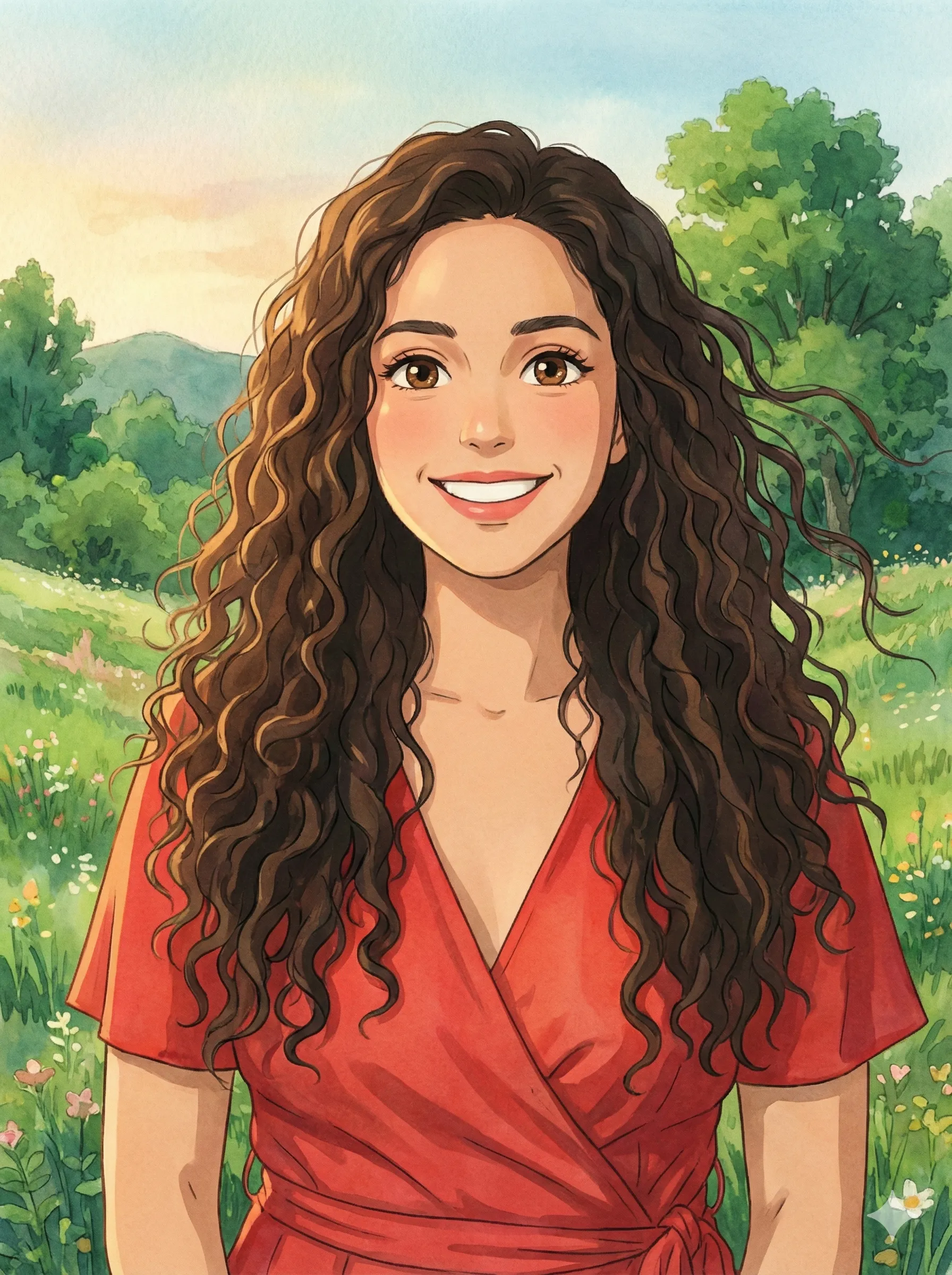 🍃 After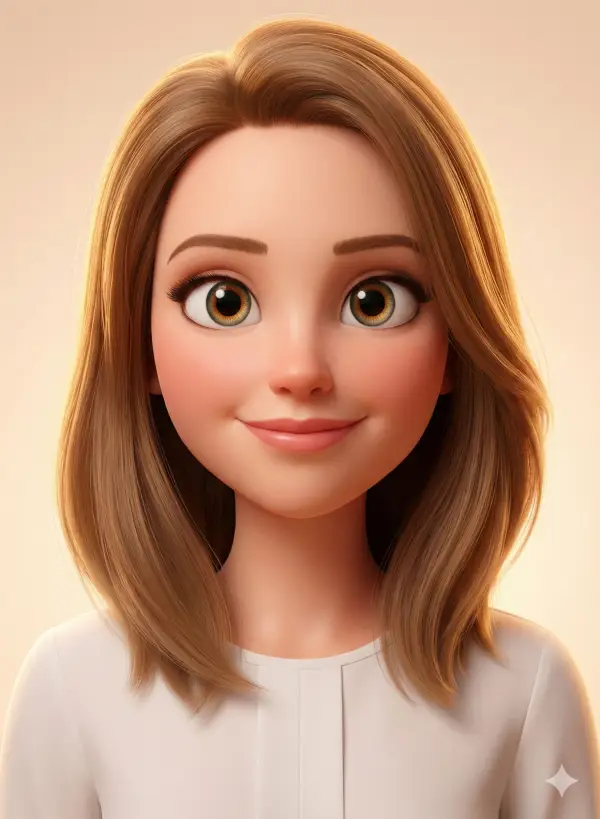
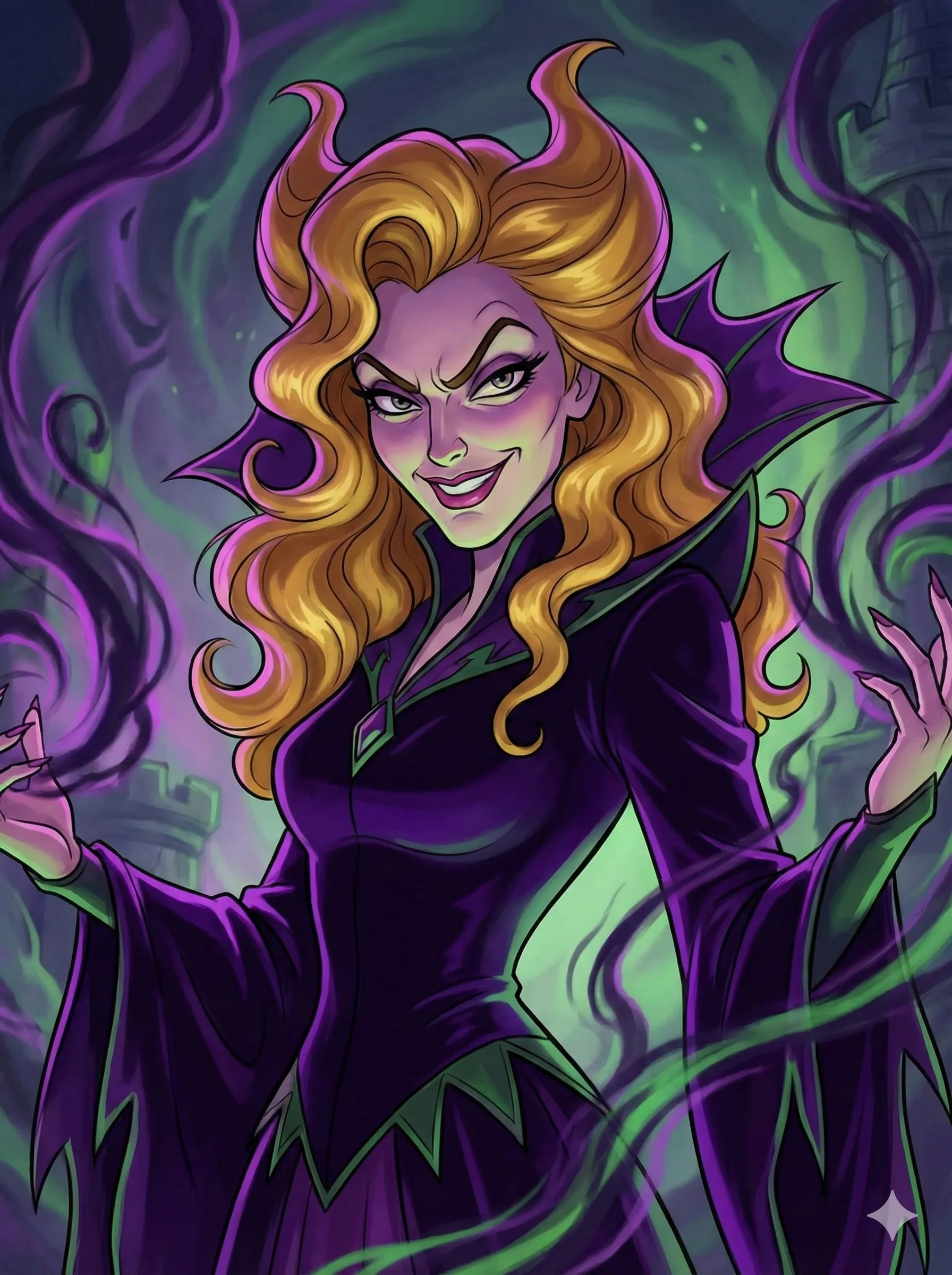
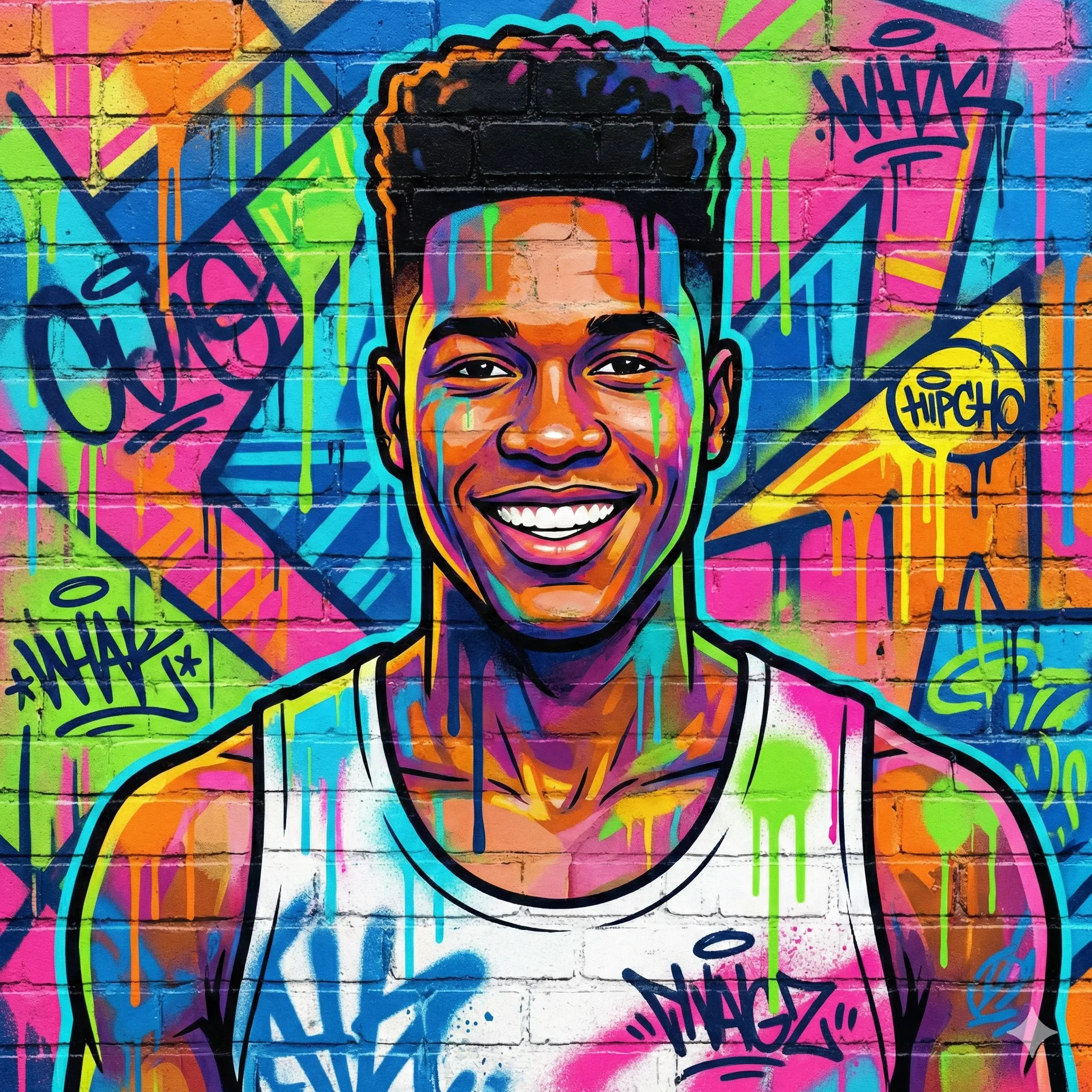

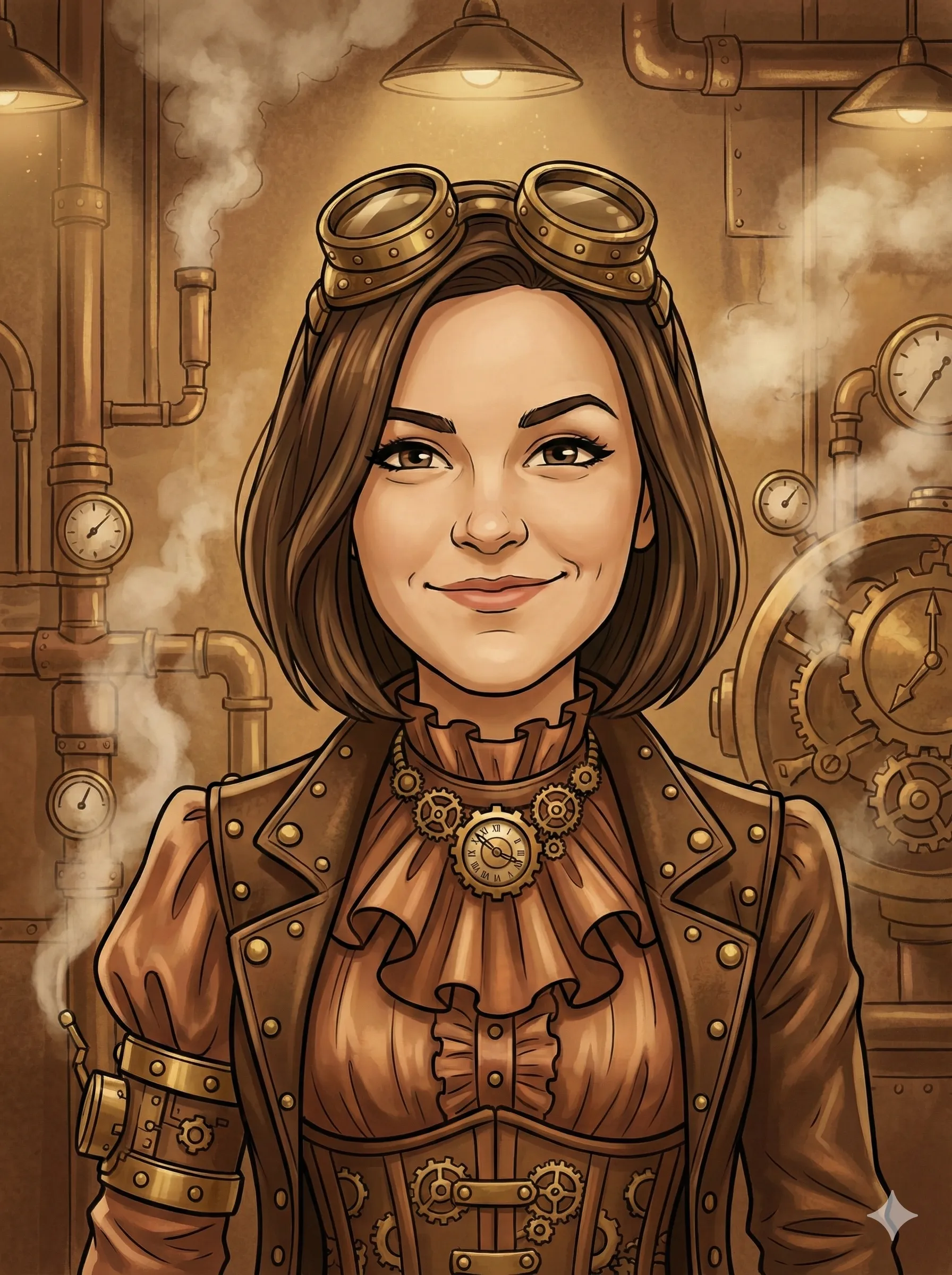
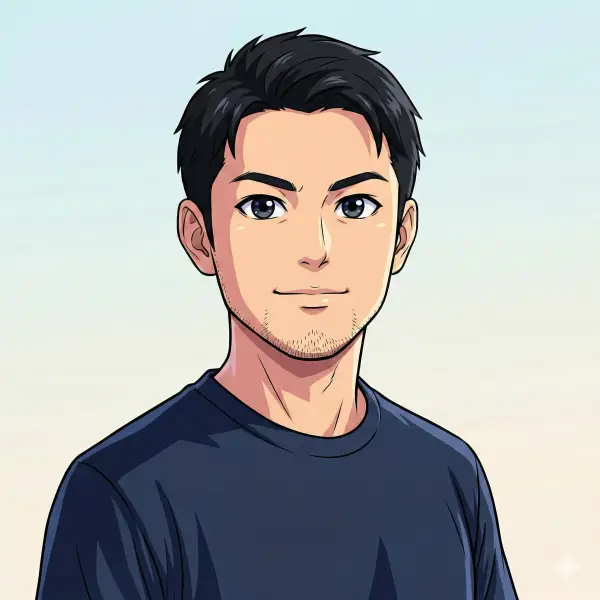


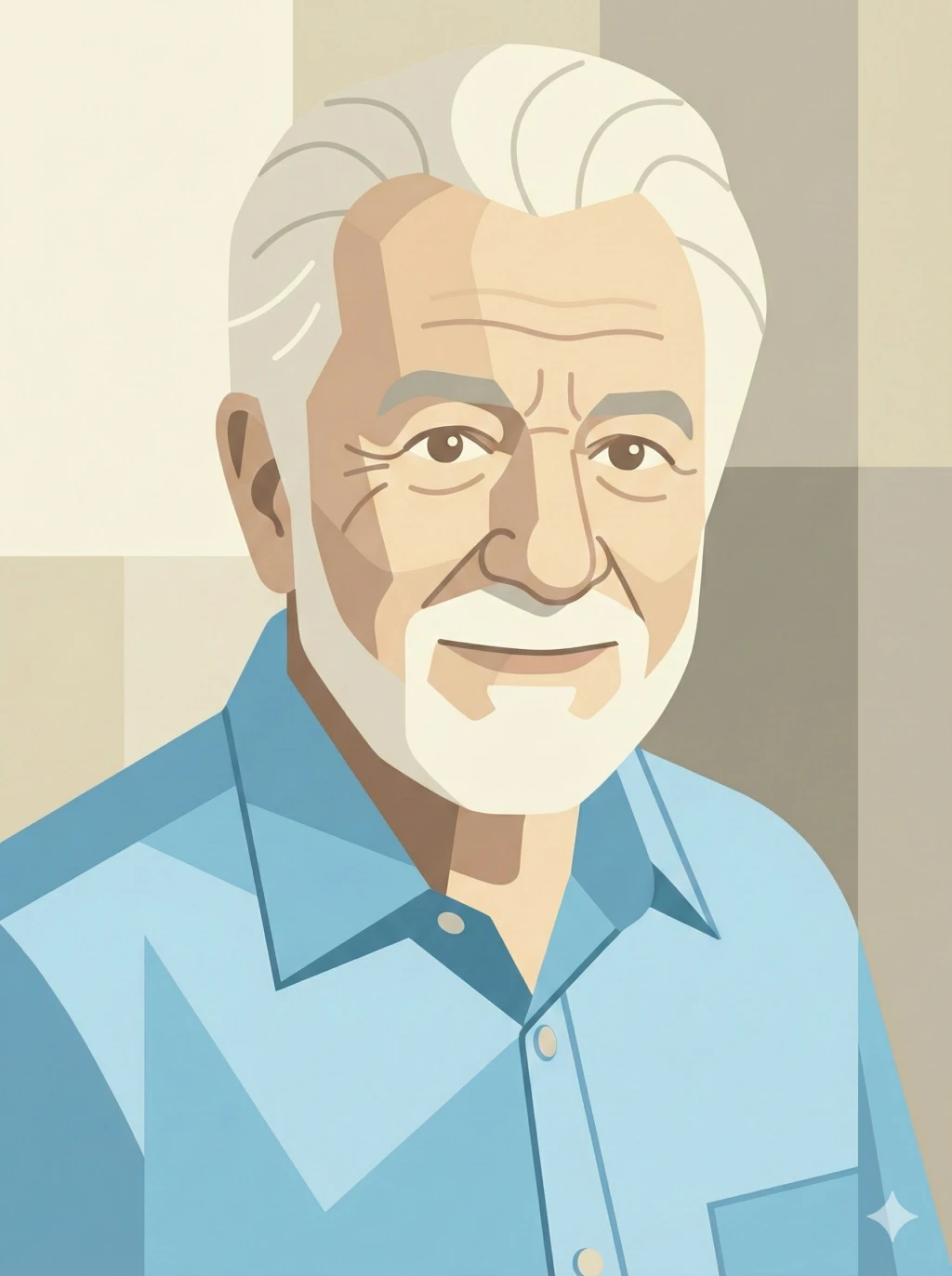
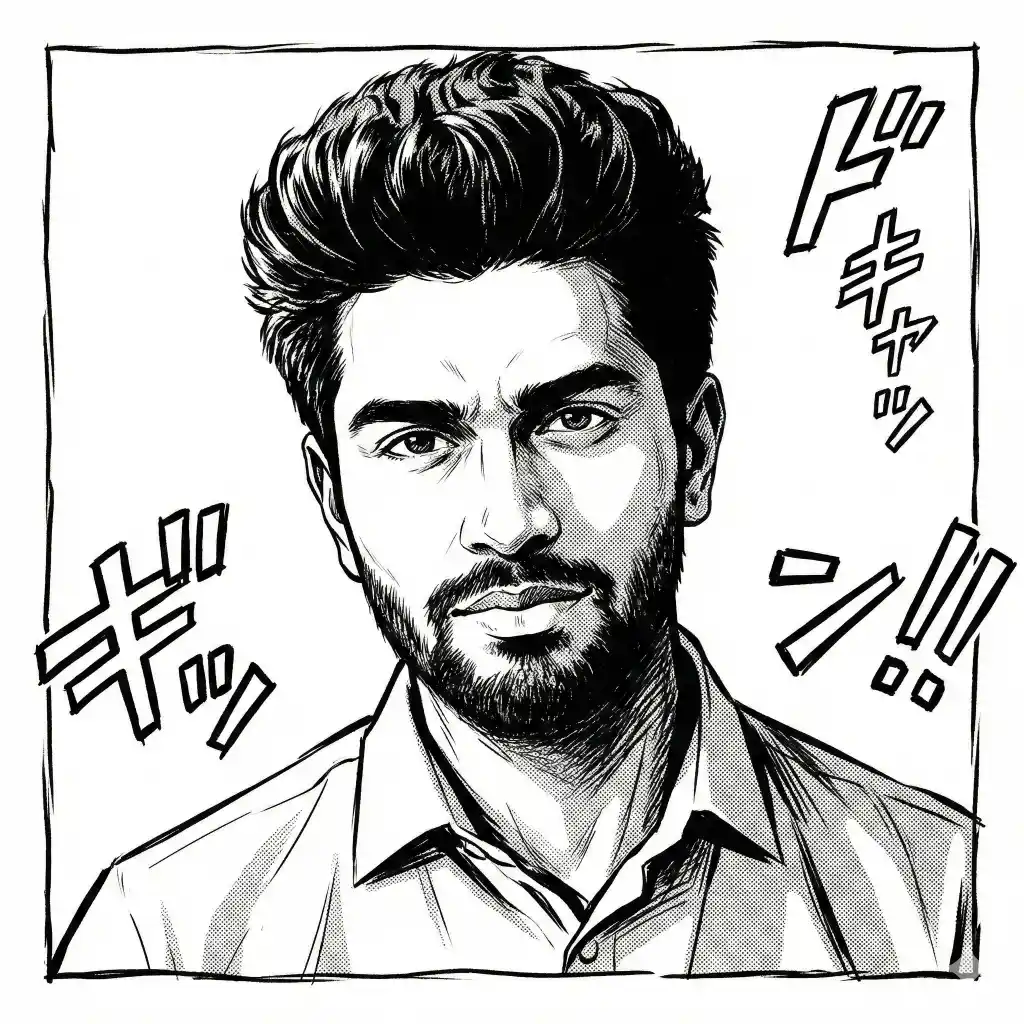
About Hand-Painted Anime
Origins, history, and what makes this art style unique
The hand-painted anime style is distinguished by several key characteristics that set it apart from both mainstream anime and Western animation. Backgrounds are rendered in a loose, atmospheric watercolor-and-gouache technique that creates environments of extraordinary depth and beauty — rolling green hills, weathered bathhouses, and floating island gardens as vividly realized as any location in live-action cinema. Character animation prioritizes naturalistic movement over dynamic exaggeration, with a famous insistence on scenes of "ma" (間) — quiet moments where characters simply exist, eating, resting, or observing their surroundings — that give these films their distinctive contemplative rhythm. Master background painters in this tradition developed a technique that layers translucent washes to build atmospheric depth, creating landscapes that seem to breathe with organic life. The palettes favor soft, muted naturalistic tones punctuated by moments of vivid color — a red hair bow, a blue tunic — that take on symbolic significance against their subdued surroundings.
The cultural impact of this hand-painted tradition extends far beyond animation. Its films have won the highest international animation honors, consistently ranked among the greatest animated films ever made in international critics' polls, and inspired a generation of artists, filmmakers, and environmentalists worldwide. The aesthetic has become shorthand for a particular quality of gentle, wonder-filled engagement with the world — an antidote to cynicism and spectacle that values observation, empathy, and the quiet beauty of everyday life. Later experiments with devastating realism and impressionistic watercolor techniques expanded the tradition's visual range while maintaining its commitment to artistic integrity and hand-drawn craft in an increasingly digital industry.
Key Elements
The core artistic techniques that define Hand-Painted Anime
Atmospheric Watercolor Backgrounds
The hand-painted anime tradition's background art employs a layered watercolor-and-gouache technique that builds luminous depth through translucent washes. Unlike the flat, cel-painted backgrounds common in commercial anime, these environments have an atmospheric quality where distant elements fade into soft color hazes and light seems to permeate every surface. This technique descends from both European plein-air watercolor painting and Japanese sumi-e ink wash traditions, creating environments that feel simultaneously painterly and inhabitable.
Naturalistic Character Design & "Ma" Moments
Characters in this style avoid the extreme stylization of mainstream anime — proportions are closer to realistic, eyes are large but not enormous, and facial features retain individual specificity. More distinctively, characters are animated with attention to quiet, everyday actions — eating, stretching, watching clouds — that communicate personality through naturalistic behavior rather than dramatic gesture. This concept of "ma" (間, roughly "negative space" in time) creates breathing room in the narrative and connects to Japanese aesthetic principles of finding beauty in stillness and the mundane.
Luminous Natural Color & Environmental Reverence
The style's color design reflects a deep connection to the natural world — palettes are built from observed natural phenomena: the specific green of rice paddies after rain, the golden light of late afternoon filtering through deciduous forest canopy, the steely blue-gray of ocean before a storm. Colors are rarely saturated to full intensity; instead, they maintain the slightly muted, atmospheric quality of actual outdoor light as perceived by the human eye. This naturalistic approach to color, combined with the tradition's consistent engagement with environmental themes, creates a visual language that reverently documents the beauty of the natural world.
How It Works
Transform your photo into hand-painted anime art in 3 simple steps
Upload Your Photo
Choose any portrait photo from your device. Front-facing works best for stunning results.
Select Hand-Painted Anime
Our AI analyzes your photo and applies the hand-painted anime artistic style with precise attention to detail.
Download & Share
Get your high-quality cartoon portrait in about half a minute. Download in full resolution or share directly.
Perfect For
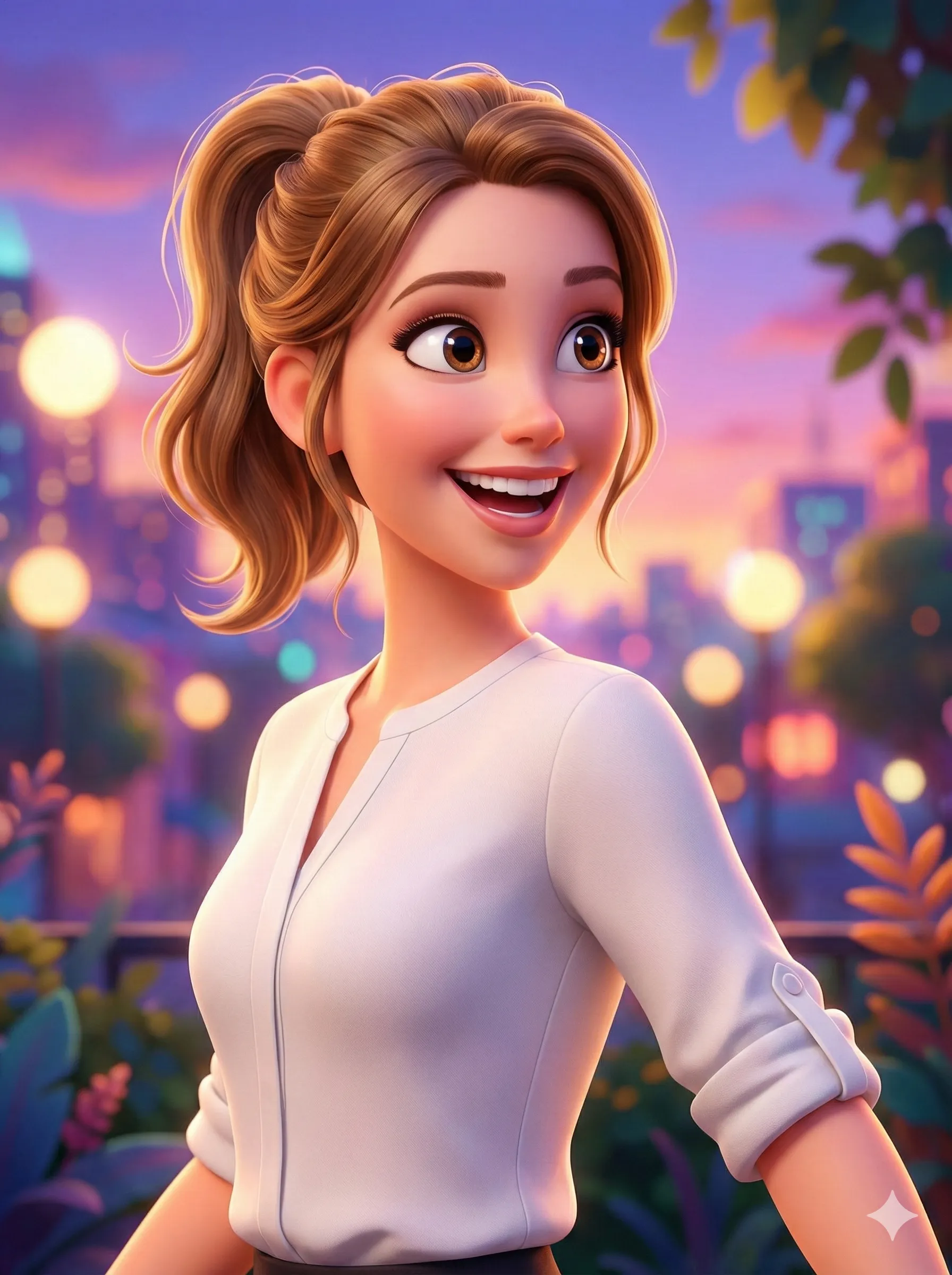
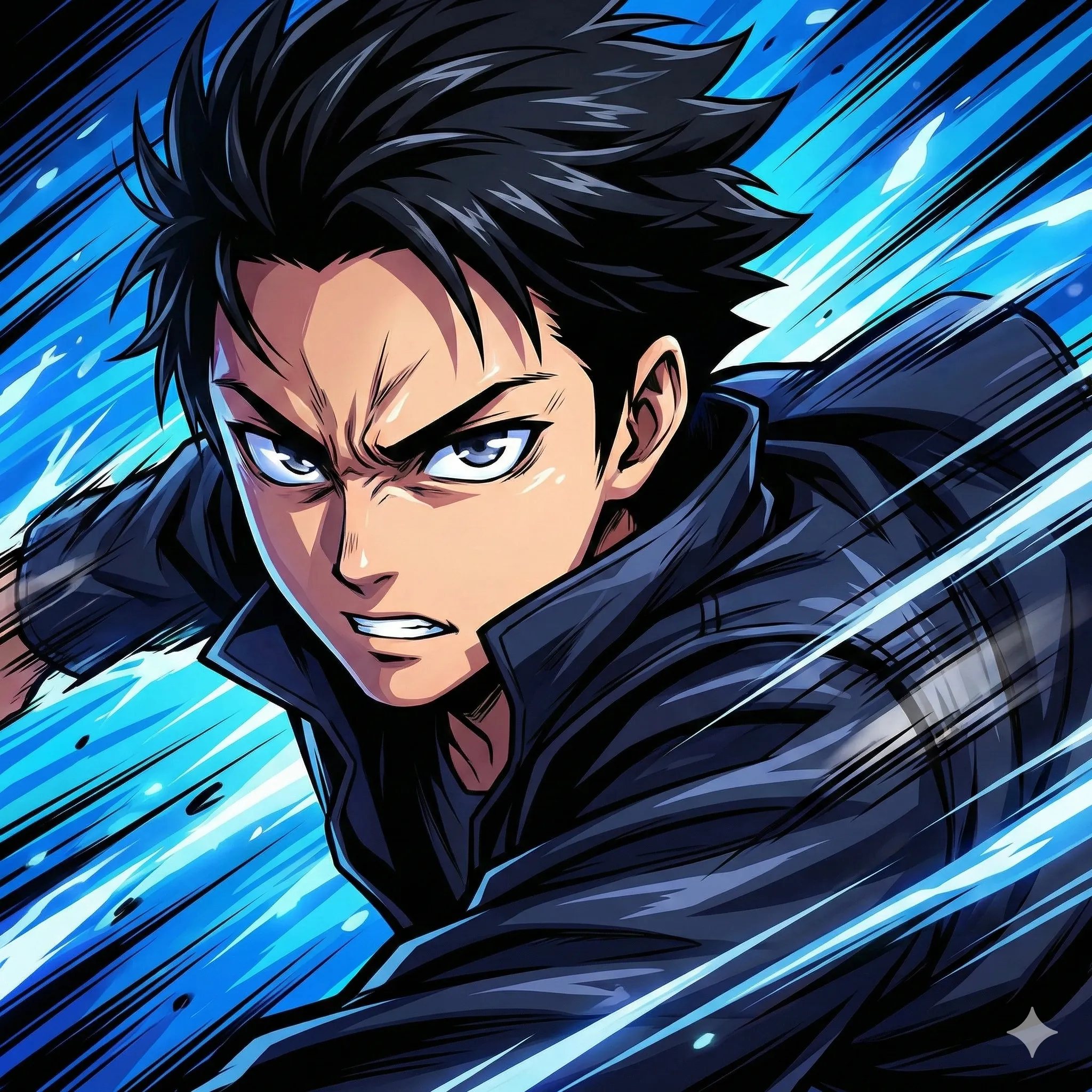
Before & After
See the Hand-Painted Anime transformation in action
Hand-Painted Anime FAQ
This style's visual identity is unique in its synthesis of European illustration traditions (particularly watercolor landscape painting and children's book illustration) with Japanese artistic sensibilities (ink wash painting, the aesthetic concept of "ma," reverence for natural beauty). Unlike most commercial productions, its leading practitioners maintained hand-painted backgrounds and hand-drawn character animation long after the industry shifted to digital production. A commitment to naturalistic character movement, contemplative pacing, and atmospheric environmental rendering created an animation style that feels closer to live-action art cinema than to commercial cartoons, earning comparisons to the films of Akira Kurosawa and Yasujirō Ozu.
The style was shaped by a close collaboration of specialists: visionary directors who established the aesthetic vision, character design principles, and narrative philosophy; principal background artists who developed the signature watercolor-and-gouache landscape technique that defines these environments; experimental directors who pushed the visual range with charcoal-and-watercolor approaches; color designers who established nuanced palettes across dozens of films; and key animators who contributed the dynamic action sequences that contrast with the tradition's contemplative scenes. Each artist contributed essential elements to the collective visual identity.
An environmental philosophy — shaped by the experience of Japan's rapid postwar industrialization and influenced by the animist traditions of Shinto — permeates every aspect of the style's visual language. Natural environments are rendered with meticulous observational accuracy: specific plant species are identifiable, weather patterns follow realistic progression, and light behaves as it does in actual outdoor settings. This reverence extends beyond mere accuracy to a kind of visual poetry — trees seem to breathe, clouds carry emotional weight, and landscapes communicate the passage of time and seasons with a sensitivity rarely seen in any visual medium. The tradition's environmental themes and visual naturalism reinforce each other, creating films where the beauty of the natural world is both the subject and the medium of expression.
Try Hand-Painted Anime
Style Now!🍃
Upload your photo and get your hand-painted anime portrait in about half a minute.