Street-level expression with spray-can energy
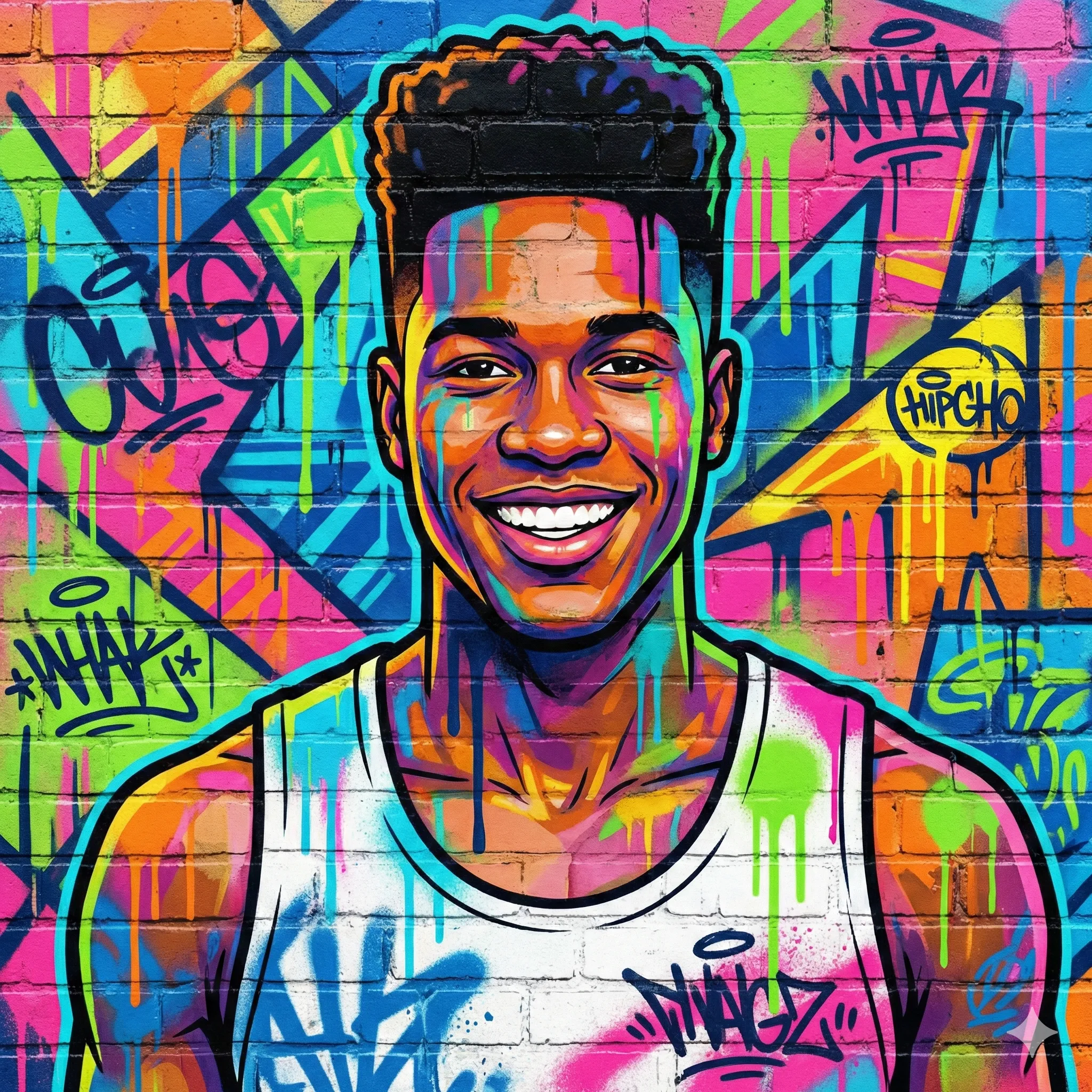
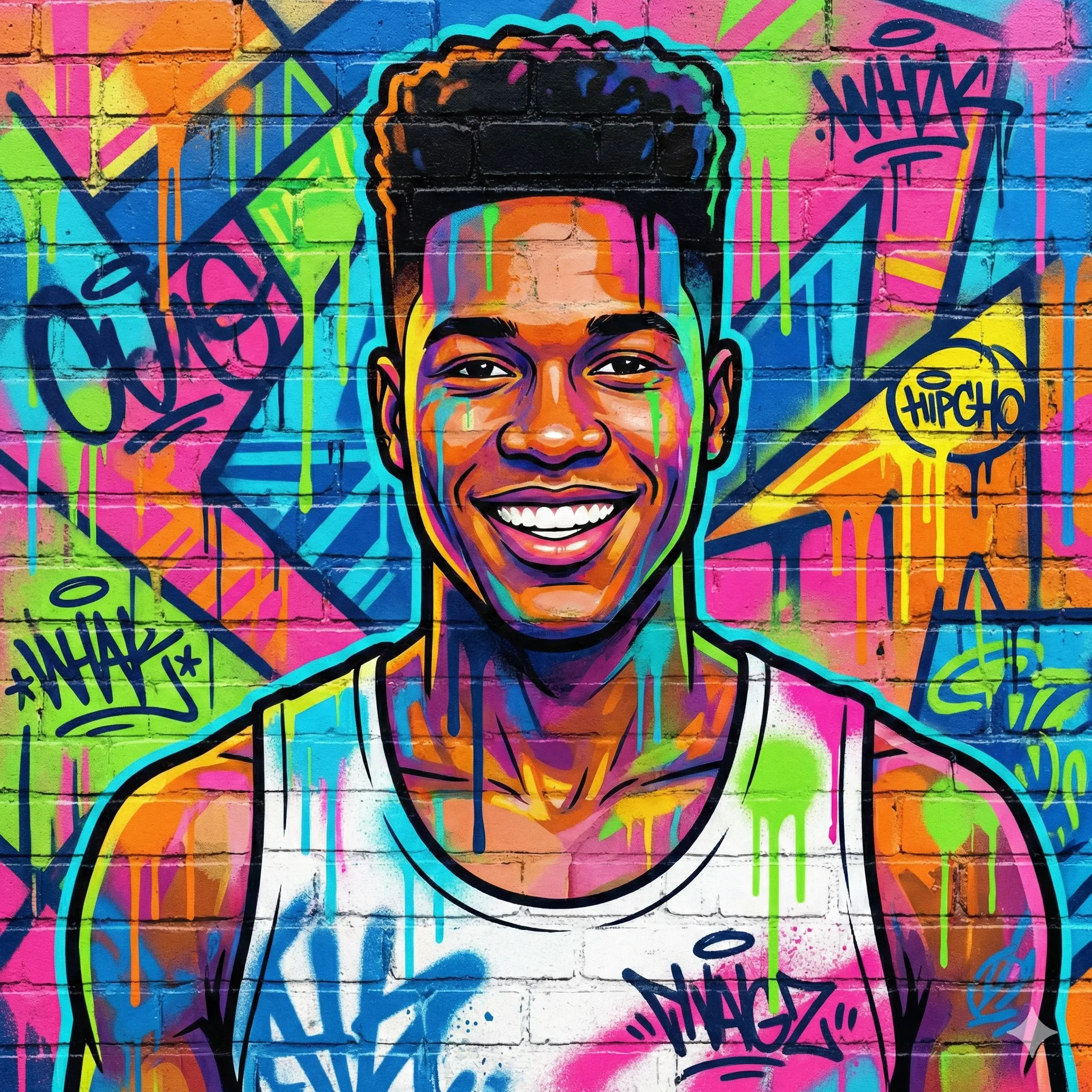
Graffiti as a recognized art form emerged from the streets of Philadelphia and New York City in the late 1960s and early 1970s, evolving from simple "tags" (stylized signatures) into elaborate "pieces" (masterpieces) that transformed subway cars and building...
 📷 Before
 🔥 After






About Graffiti
Origins, history, and what makes this art style unique
The visual language of graffiti is characterized by bold outlines, vibrant fill colors, dramatic drop shadows, and dynamic letter forms that twist, interlock, and explode across surfaces. Spray paint is the defining medium, and its characteristics — the soft fade of a distance spray, the crisp line of a close cap, the drip of an overfilled stroke — have become aesthetic signatures of the form. The introduction of fat caps, skinny caps, and various nozzle modifications allowed writers to achieve extraordinary control and variety. Background elements often include clouds, stars, arrows, and characters (cartoon figures), while "throw-ups" (quick two-color bubble letters) and "tags" (single-line signatures) represent the form's more spontaneous expressions.
Graffiti's transition from vandalism to gallery art accelerated in the early 1980s through figures like Jean-Michel Basquiat (who began as the graffiti poet SAMO), Keith Haring, and Futura 2000, as well as through landmark exhibitions like the "Post-Graffiti" show at the Sidney Janis Gallery in 1983. Today, the lineage continues through street art and muralism, with artists like RETNA, KAWS, and Banksy operating at the intersection of street culture and the contemporary art market. The movement profoundly influenced graphic design, typography, fashion, and hip-hop visual culture worldwide.
Key Elements
The core artistic techniques that define Graffiti
Spray Paint Texture and Technique
Replicates the distinctive marks of aerosol art — soft-edge fades from distance spraying, crisp lines from close-cap work, drips from paint accumulation, and overspray halos. These material characteristics, born from the spray can as primary tool, define the authentic visual texture of graffiti.
Wildstyle Typography and Lettering
Incorporates the complex, interlocking letter forms developed by writers like PHASE 2 and ZEPHYR in 1970s New York — letters that twist, arrow, and connect in dynamic compositions that blur the boundary between readable text and abstract geometric art.
High-Saturation Urban Color Palette
Employs the vivid, often fluorescent colors available in spray paint — electric blues, hot pinks, neon greens, chrome silvers — applied in bold, contrasting combinations that maximize visibility and visual impact against the muted tones of urban concrete and brick.
How It Works
Transform your photo into graffiti art in 3 simple steps
Upload Your Photo
Choose any portrait photo from your device. Front-facing works best for stunning results.
Select Graffiti
Our AI analyzes your photo and applies the graffiti artistic style with precise attention to detail.
Download & Share
Get your high-quality cartoon portrait in about half a minute. Download in full resolution or share directly.
Perfect For
Before & After
See the Graffiti transformation in action
Graffiti FAQ
Graffiti evolved through distinct stages: simple tags (signatures) in the late 1960s gave way to throw-ups (quick two-color pieces) and then to elaborate "masterpieces" covering entire subway cars by the mid-1970s. The competitive culture of New York's writing scene drove constant stylistic innovation. The early 1980s saw galleries like Fun Gallery and exhibitions at the Sidney Janis Gallery bringing writers into the fine art world, while Jean-Michel Basquiat's trajectory from SAMO tags to international art stardom symbolized the form's cultural ascent.
Key styles include: tags (quick stylized signatures), throw-ups (two-color bubble letters for speed), blockbusters (large, simple square letters for maximum coverage), wildstyle (complex interlocking letters with arrows and connections, pioneered by writers like PHASE 2 and TRACY 168), and 3D styles that create the illusion of depth through shading and perspective. Each style serves different purposes — from quick territorial marking to elaborate artistic statements.
Graffiti is recognized as one of the four foundational elements of hip-hop culture alongside DJing, MCing (rapping), and b-boying (breakdancing). All four emerged from the same South Bronx communities in the 1970s and share values of competitive self-expression, stylistic innovation, and community reputation. Graffiti writers and hip-hop musicians have long maintained close cultural ties, with album art, music video aesthetics, and fashion reflecting this deep interconnection.
Try Graffiti
Style Now!🔥
Upload your photo and get your graffiti portrait in about half a minute.