Next-generation anime with cinematic depth and detail
Neo Anime V2 represents the cutting edge of Japanese animation aesthetics, building on the dramatic evolution that anime has undergone since the digital revolution of the early 2000s. While traditional anime — defined by the cost-saving techniques developed...
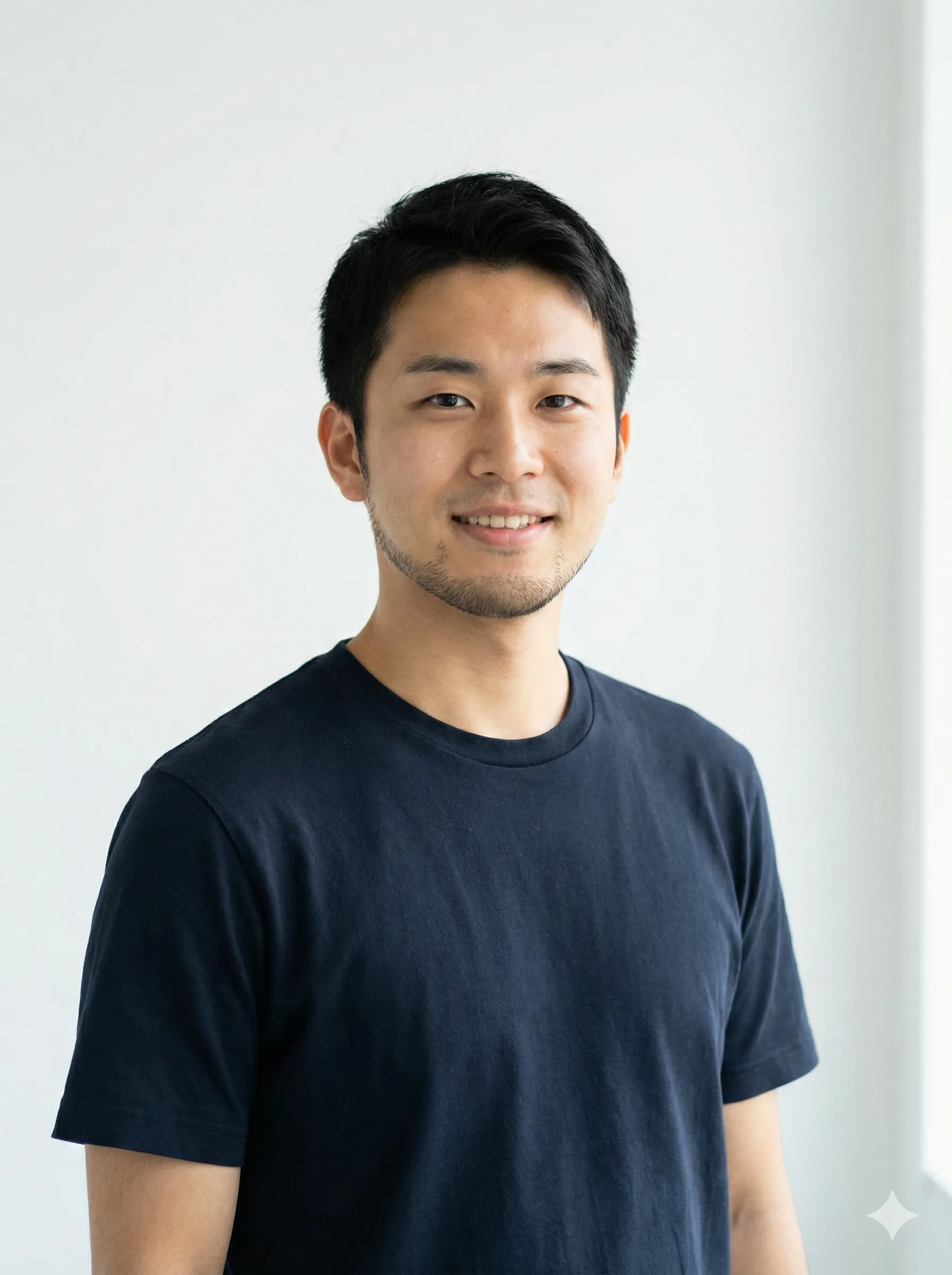 📷 Before
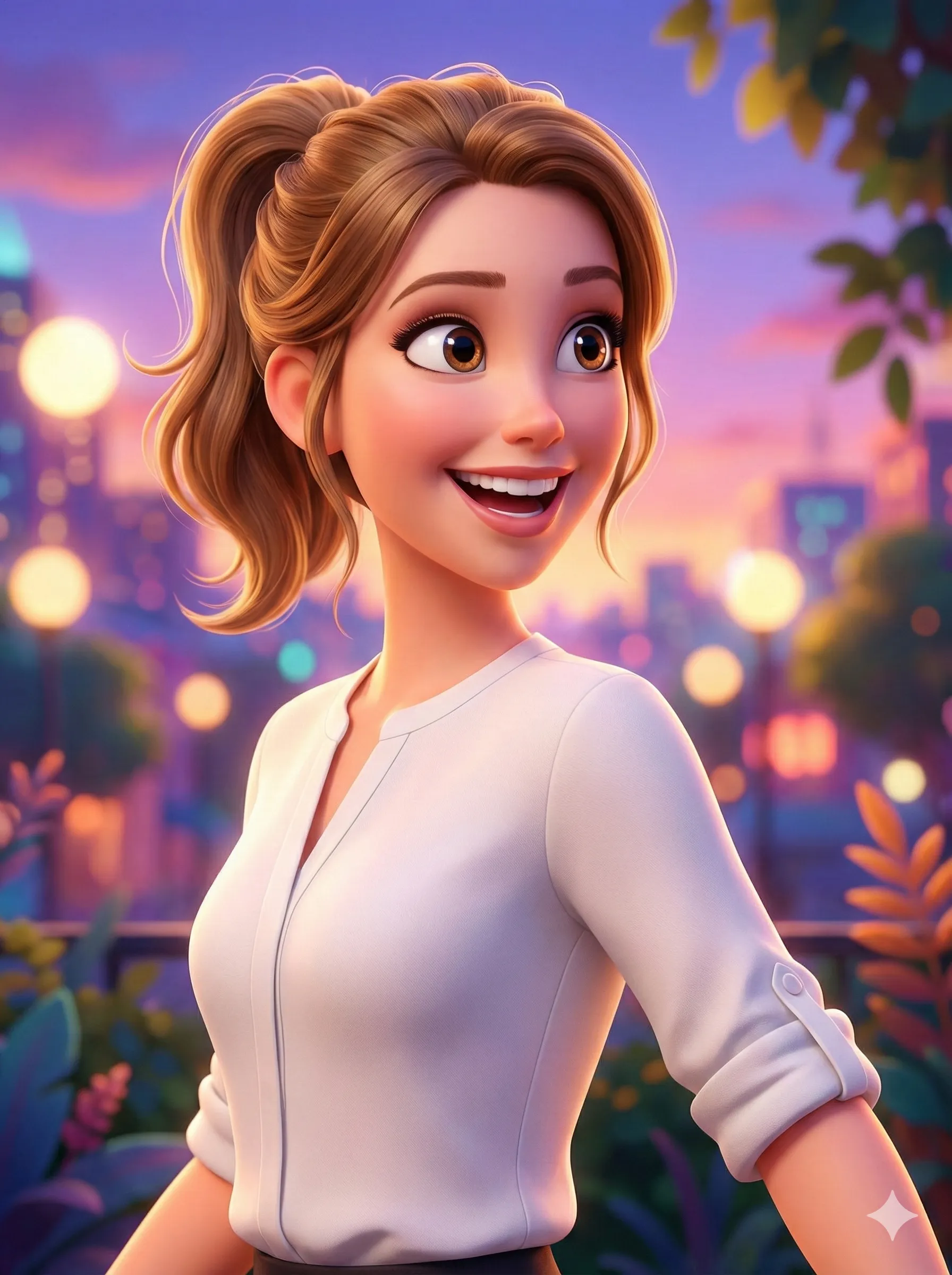
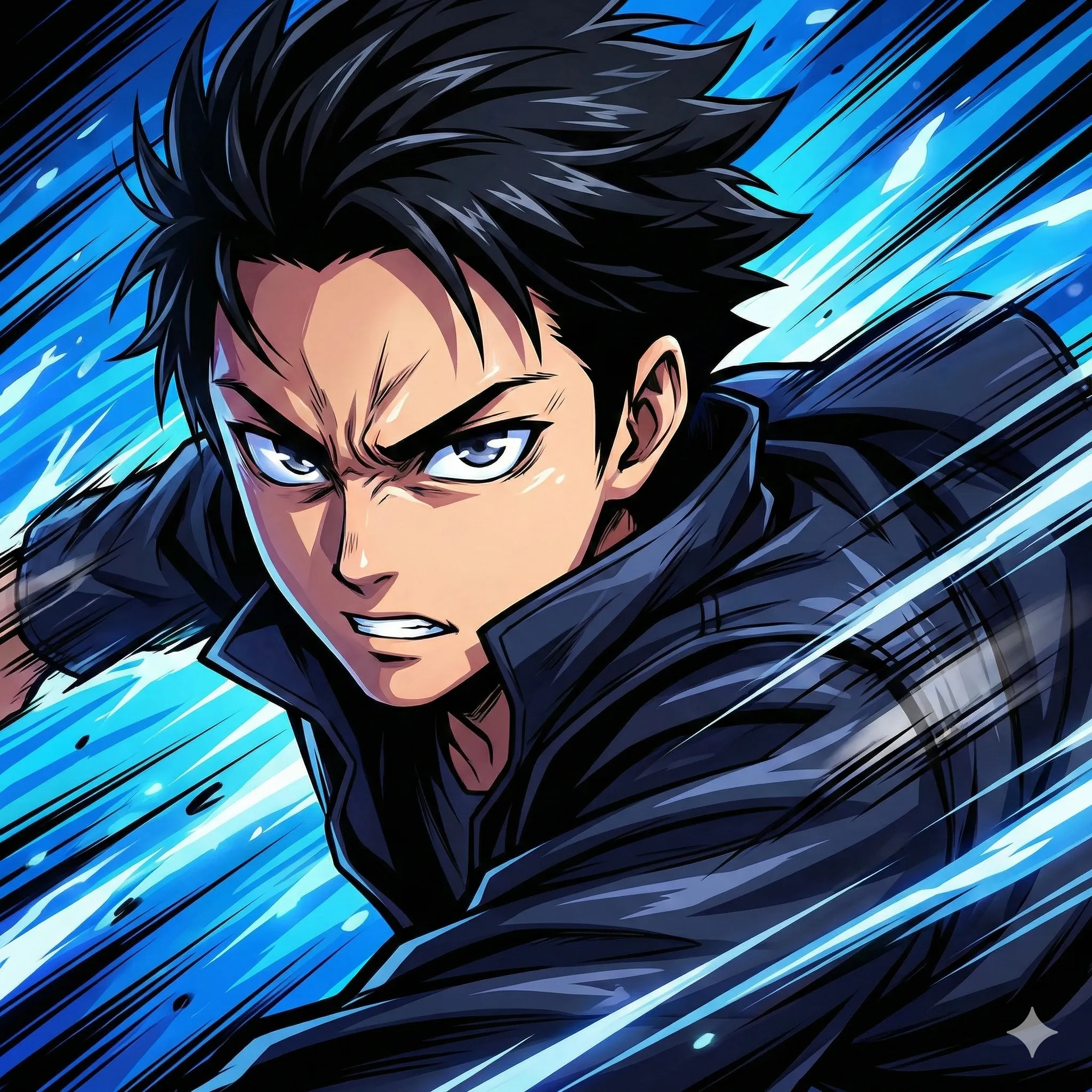 ⚔️ After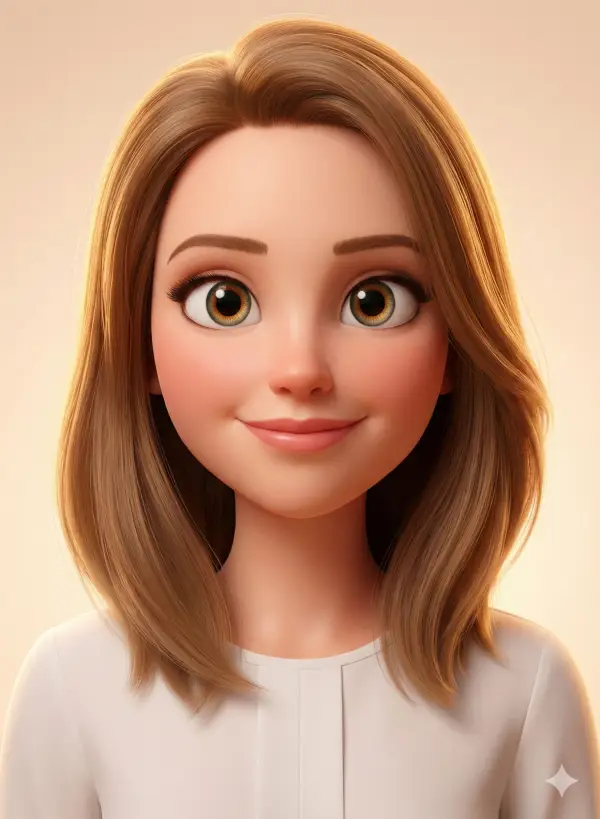

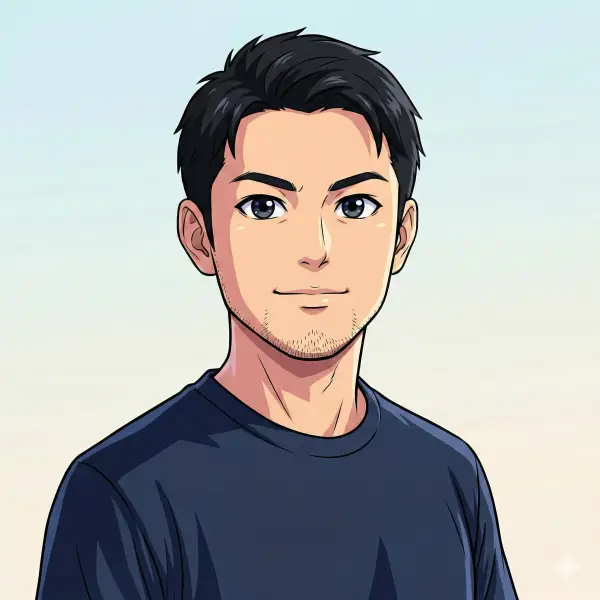


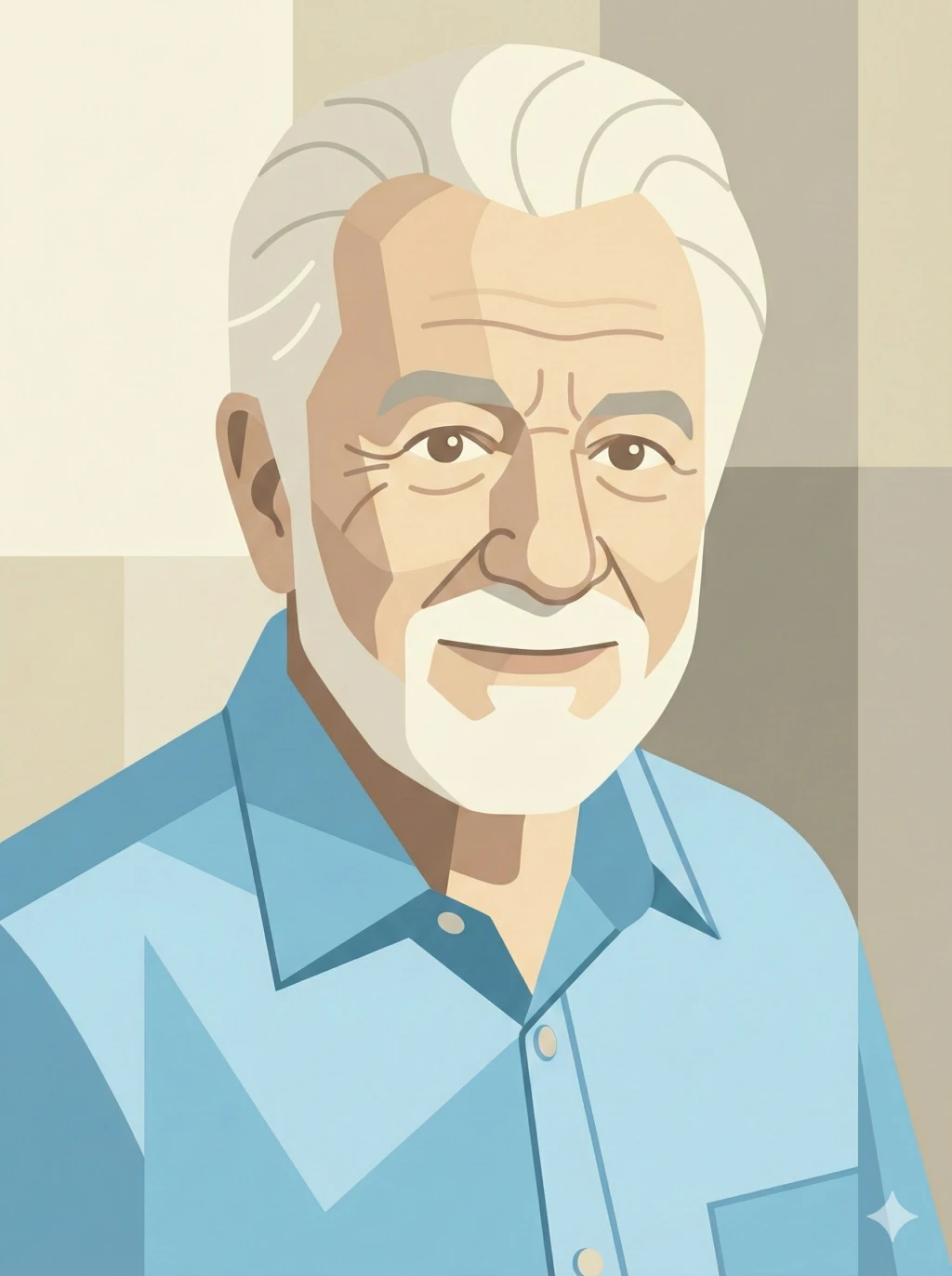
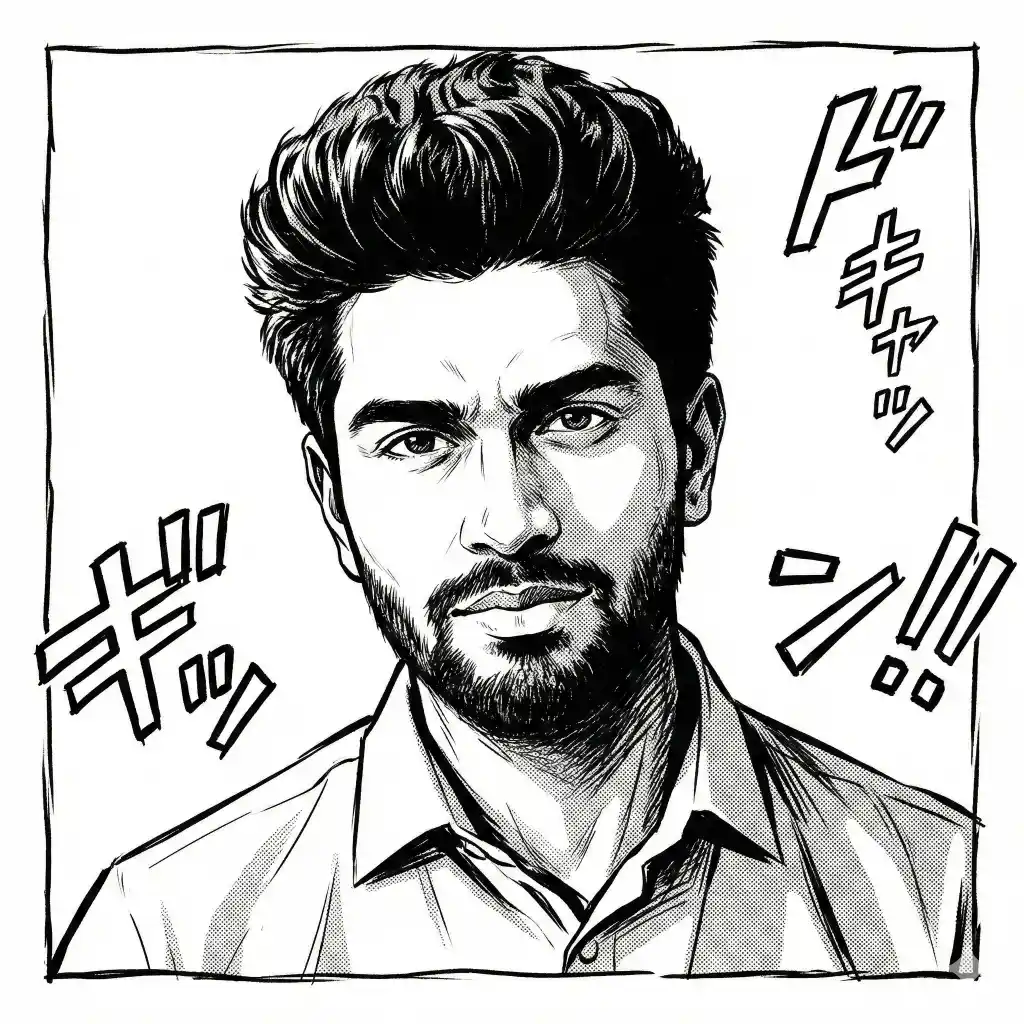
About Neo Anime V2
Origins, history, and what makes this art style unique
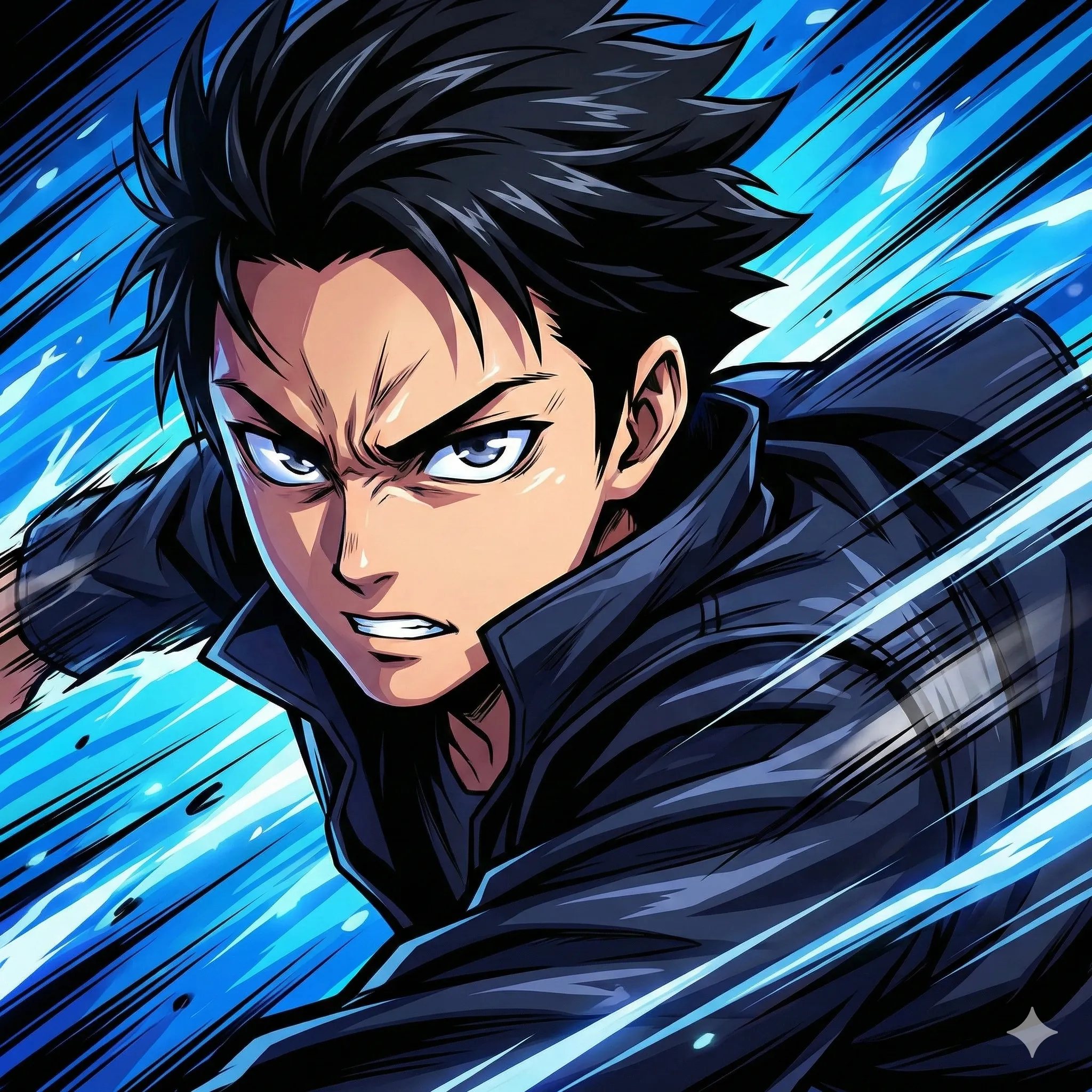
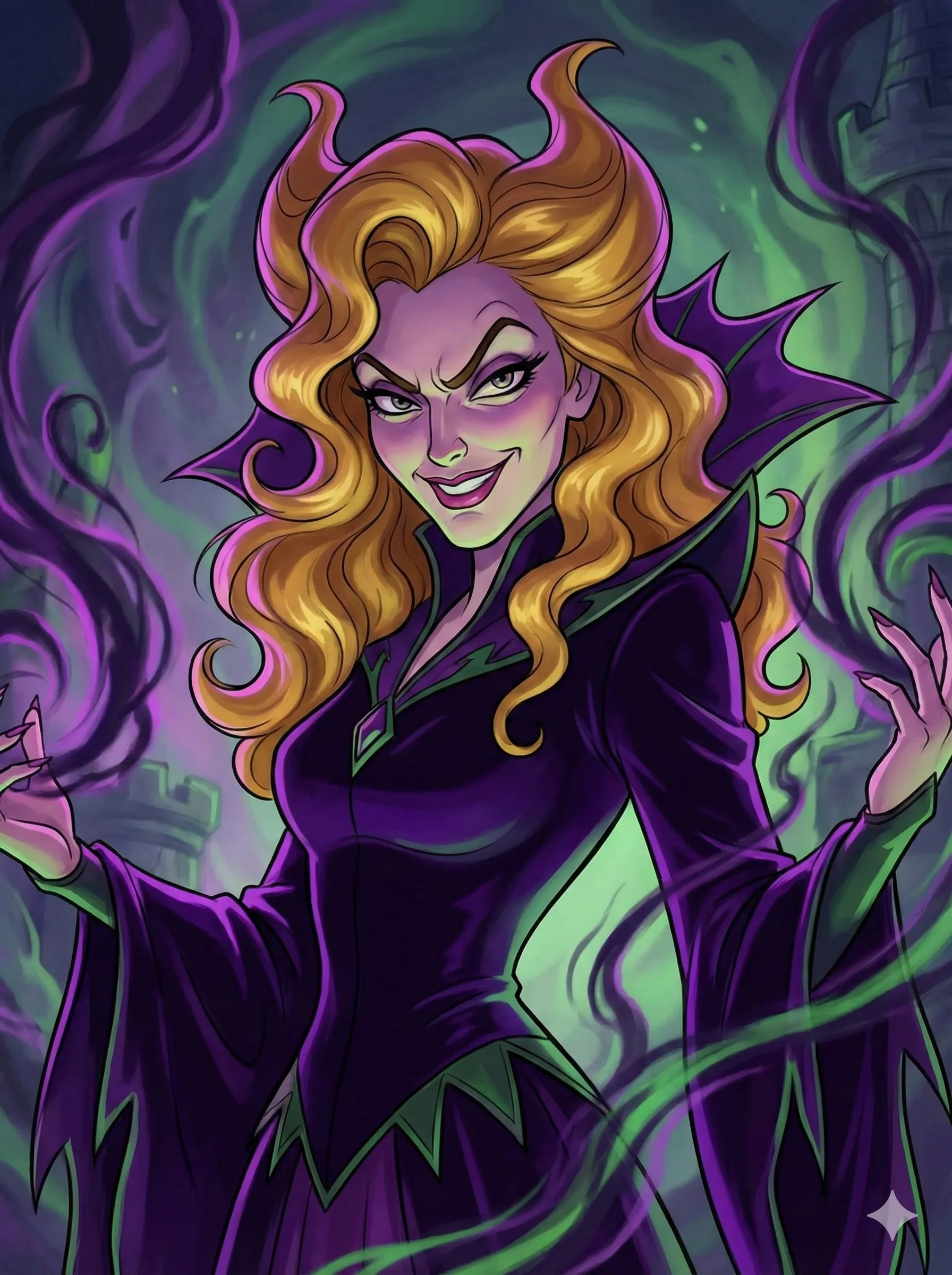
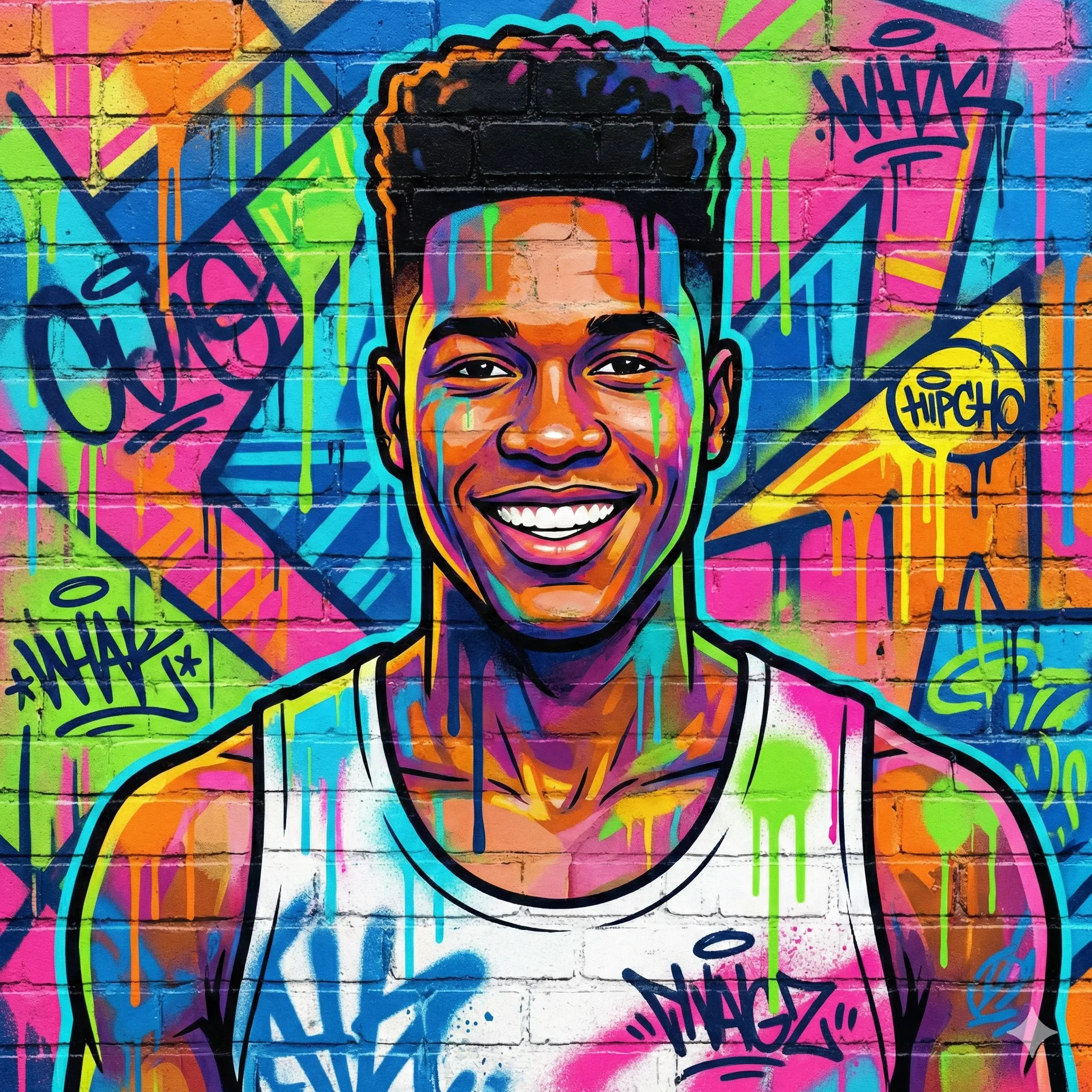
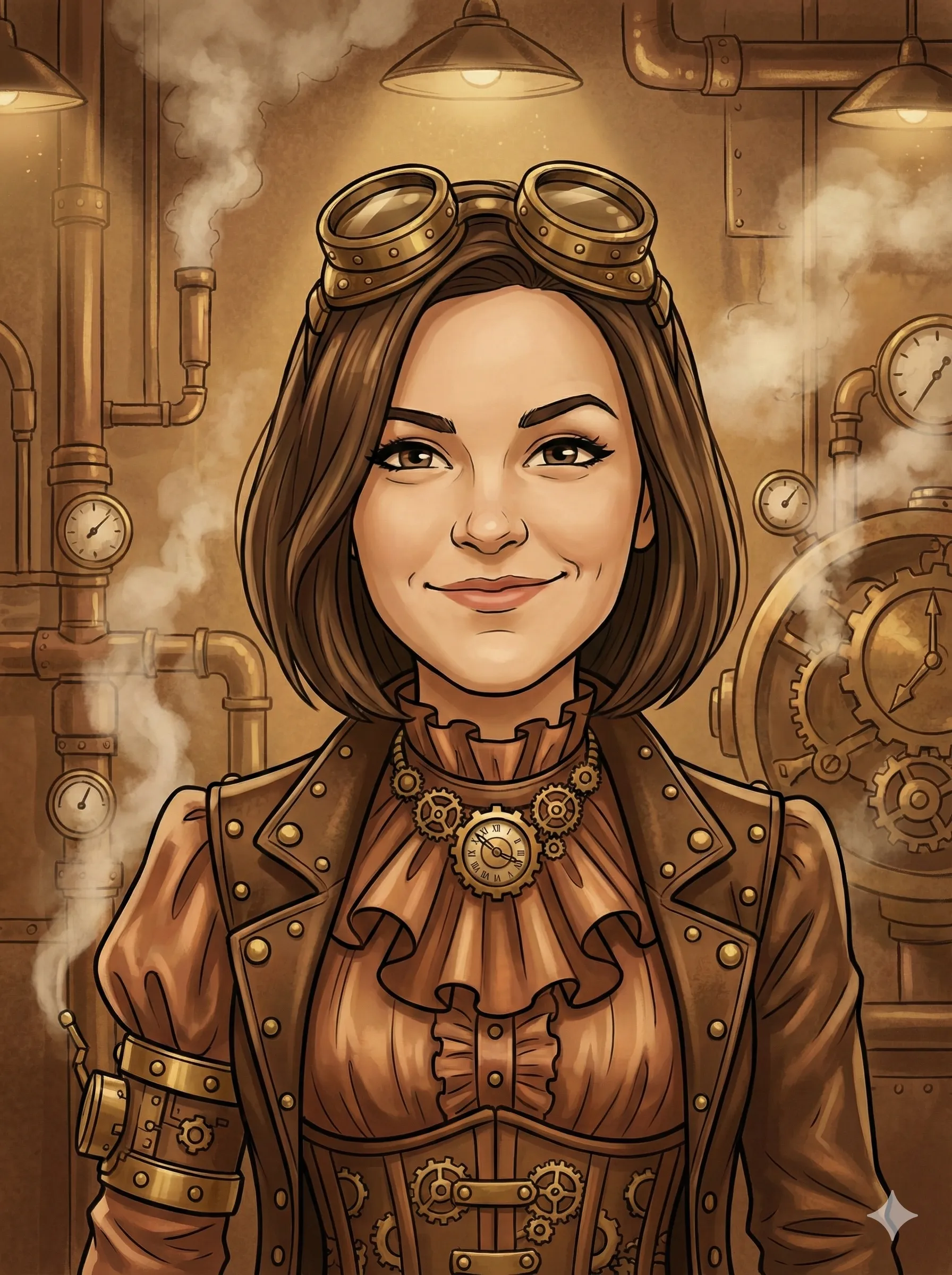
The neo-anime aesthetic retains core anime conventions — large expressive eyes, simplified nose and mouth, dynamic hair with distinct highlight planes, and cel-shaded color with clear shadow boundaries — while adding layers of visual sophistication borrowed from cinematography and digital painting. Key characteristics include: volumetric lighting effects (god rays, lens flares, light bloom), detailed environmental reflections, chromatic aberration and depth-of-field blur for cinematic focus, and multi-layered compositing that creates atmospheric depth. Color palettes tend toward vivid saturation with carefully designed complementary color schemes, and skin rendering often incorporates subtle gradient transitions that go beyond traditional flat cel shading.
This second-generation neo-anime style pushes further into the territory explored by recent productions: the fluid sakuga (key animation) sequences of blockbuster action series, the textured backgrounds of experimental studio works, and the emotionally nuanced character rendering of acclaimed drama productions. The influence of digital painting platforms and the global community of anime-influenced illustrators on art-sharing communities and social media has accelerated stylistic innovation, creating a feedback loop between professional animation studios and independent artists that continuously evolves the form.
Key Elements
The core artistic techniques that define Neo Anime V2
Advanced Cel Shading with Gradient Depth
Evolves traditional anime flat-color cel shading by introducing subtle gradient transitions within shadow regions and adding secondary bounce-light color influences — techniques developed by leading contemporary studios to add dimensional richness while maintaining the graphic clarity of anime's drawn-line tradition.
Cinematic Compositing and Light Effects
Layers volumetric lighting, lens flare, chromatic aberration, depth-of-field blur, and light bloom over the character art — post-processing techniques borrowed from live-action cinematography and perfected in Makoto Shinkai's films to give anime scenes a photographic sense of atmosphere and presence.
Hyper-Detailed Eye and Hair Rendering
Renders eyes with multiple layers of iris color, specular highlights, and environmental reflections — the expressive focal point of anime character design since Tezuka. Hair is treated as planes of light and shadow with individual strand breakup at silhouette edges, combining graphic simplicity with naturalistic detail.
How It Works
Transform your photo into neo anime v2 art in 3 simple steps
Upload Your Photo
Choose any portrait photo from your device. Front-facing works best for stunning results.
Select Neo Anime V2
Our AI analyzes your photo and applies the neo anime v2 artistic style with precise attention to detail.
Download & Share
Get your high-quality cartoon portrait in about half a minute. Download in full resolution or share directly.
Perfect For
Before & After
See the Neo Anime V2 transformation in action
Neo Anime V2 FAQ
Traditional anime, shaped by the production constraints of Tezuka-era limited animation, used flat colors, minimal shading, and simplified backgrounds to manage costs. Modern neo-anime leverages digital tools for sophisticated lighting, multi-layered compositing, gradient shading, and detailed backgrounds. Leading studios combine 2D character animation with 3D camera movement and particle effects. The result retains anime's graphic character design principles while achieving a cinematic visual richness impossible with traditional cel animation.
Shinkai revolutionized anime visual expectations, particularly through his landmark 2016 feature film. His signature elements — intensely detailed cloud formations, light filtering through urban architecture, lens flare and chromatic aberration effects, and luminous color palettes that shift between warm and cool — established a new standard of visual beauty in anime. His background art, often described as "more beautiful than reality," influenced an entire generation of anime artists and studios toward greater atmospheric and lighting sophistication.
Large, detailed eyes have been central to anime character design since Osamu Tezuka adapted the style from early Western feature animation in the 1950s. In anime, eyes function as the primary vehicle for emotional expression — their size, shape, highlight pattern, and color communicate personality, mood, and narrative state. Modern neo-anime renders eyes with unprecedented complexity: layered iris textures, multiple catch lights, environmental reflections, and color shifts that respond to ambient lighting, making them the most technically sophisticated element of character rendering.
Try Neo Anime V2
Style Now!⚔️
Upload your photo and get your neo anime v2 portrait in about half a minute.