Handcrafted charm in every frame
Claymation — a portmanteau of "clay" and "animation" — is a form of stop-motion animation that uses malleable clay or plasticine figures photographed one frame at a time to create the illusion of movement. The technique's origins intertwine with the broader...
 📷 Before
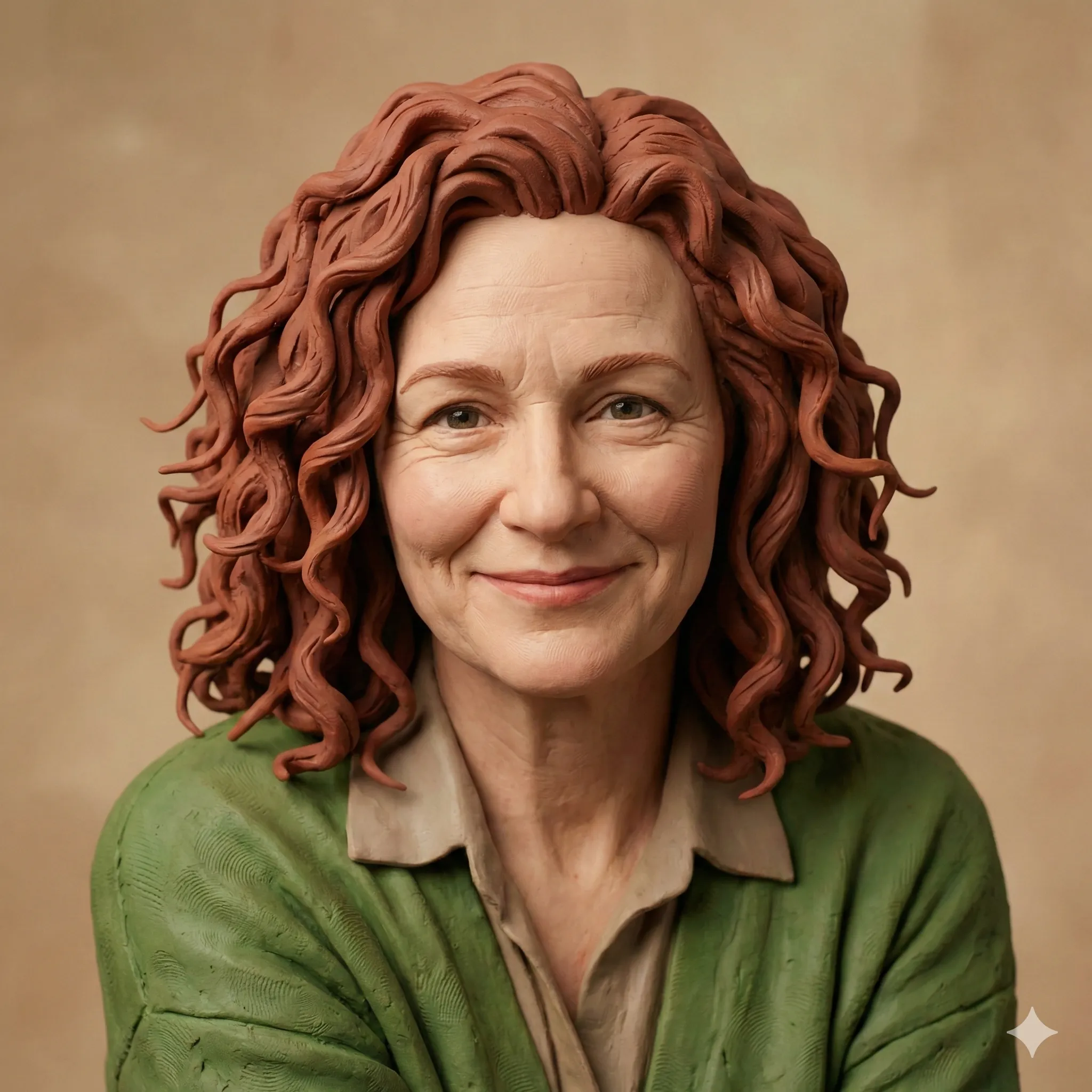 🎭 After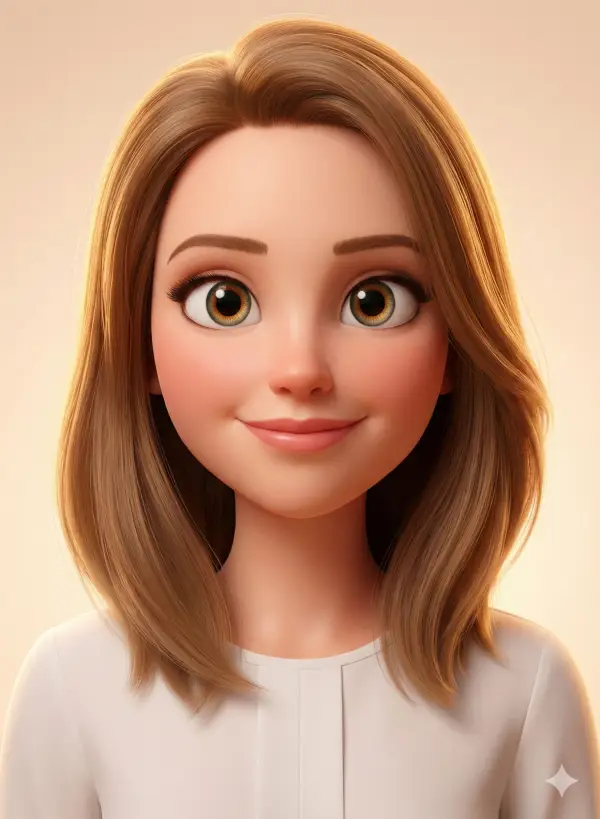
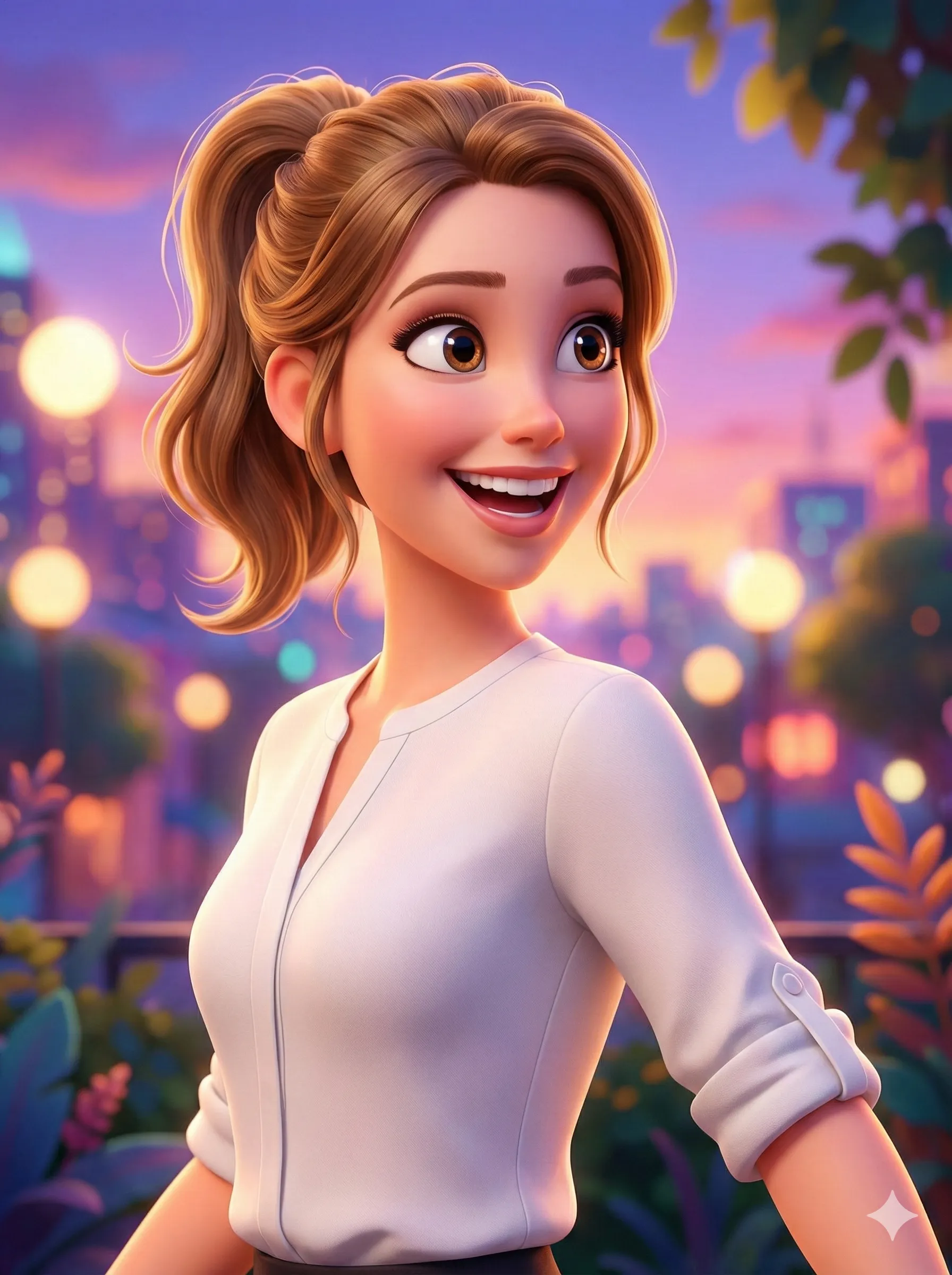

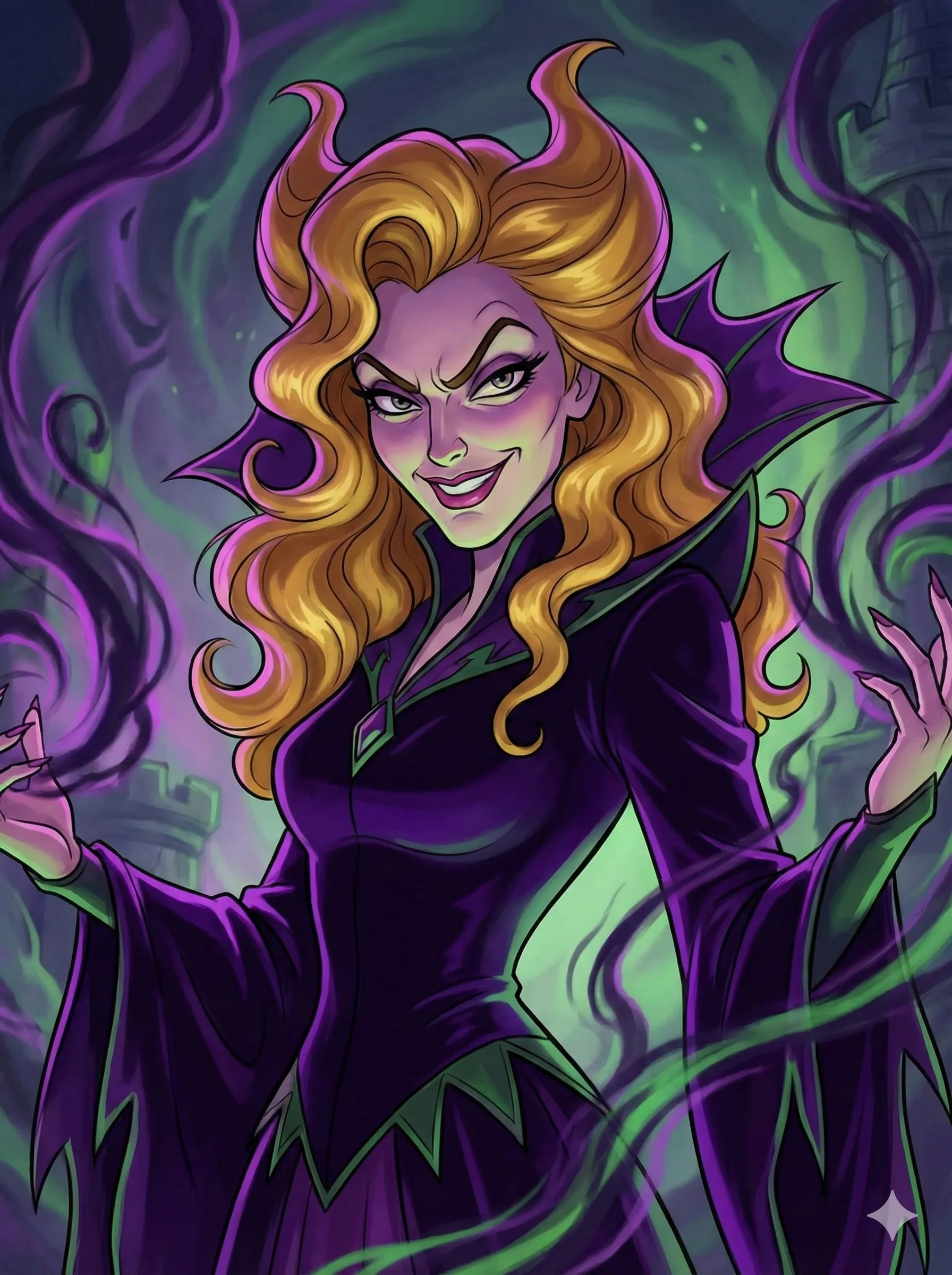

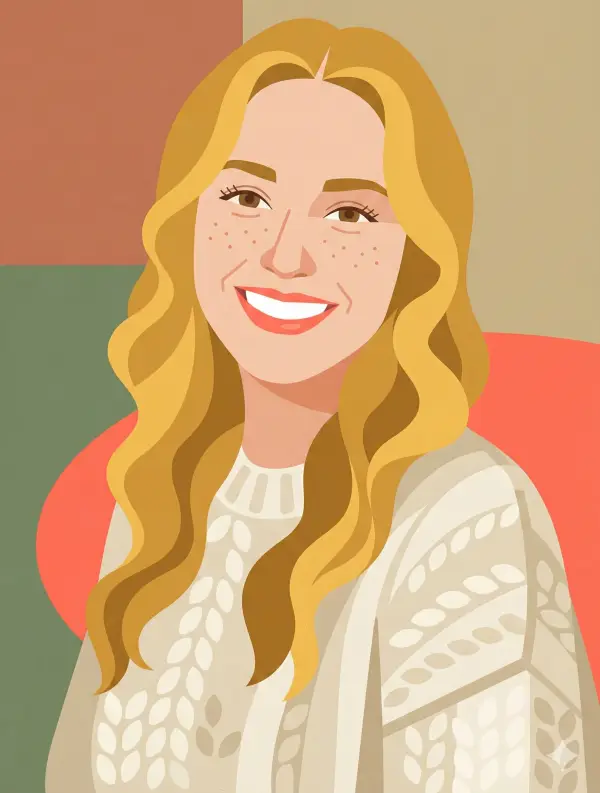
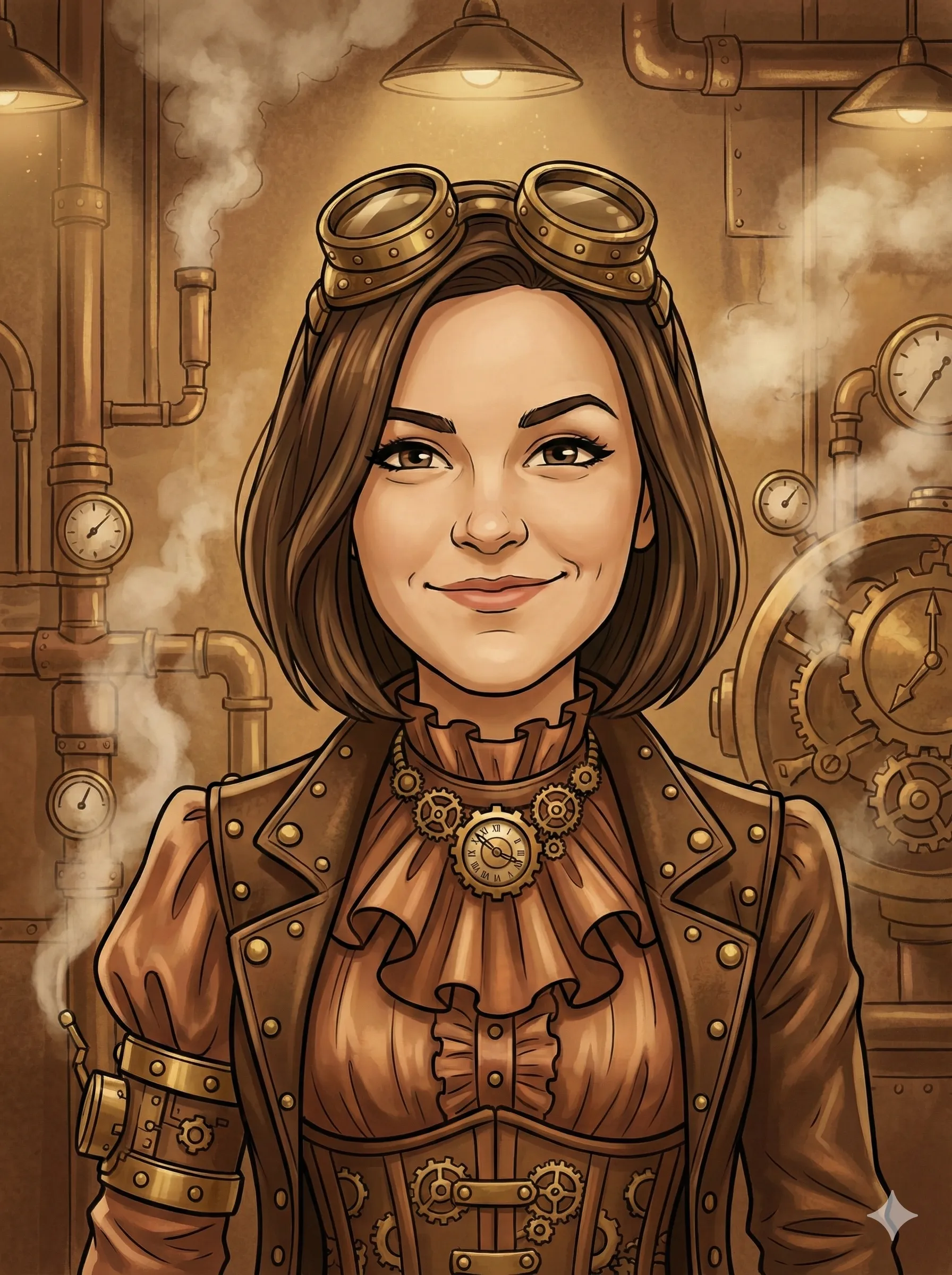



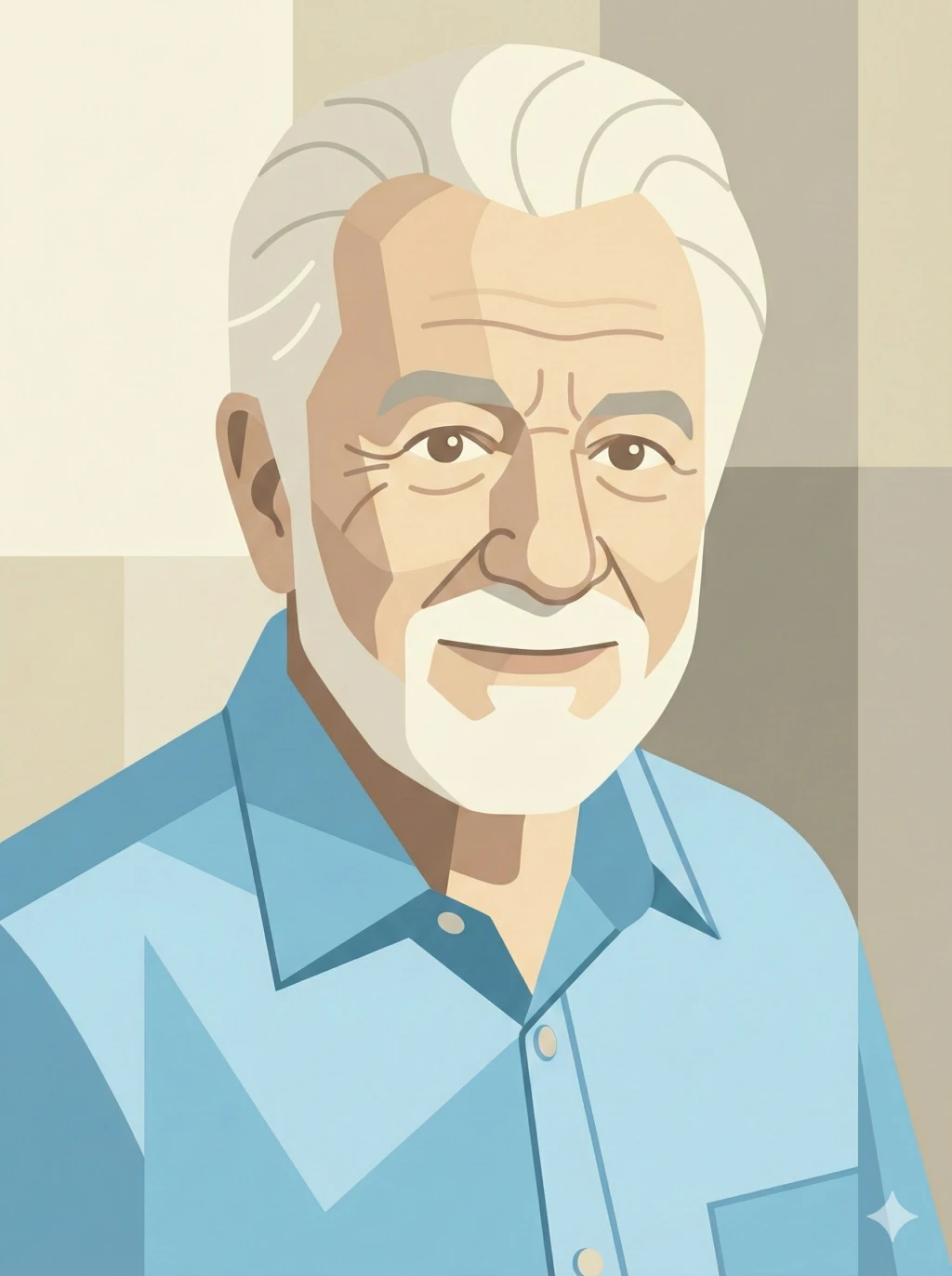
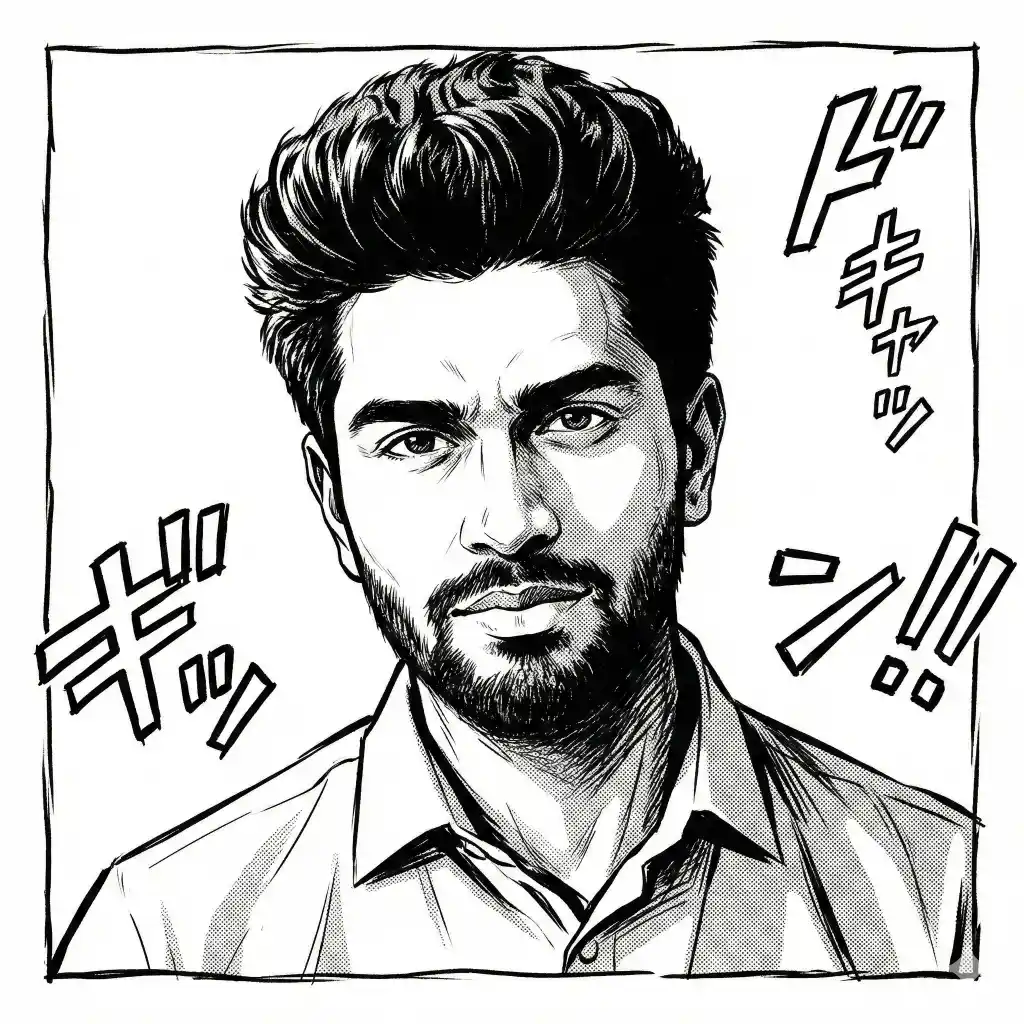
About Claymation
Origins, history, and what makes this art style unique
The art form reached its creative zenith through the work of several visionary studios and artists. Will Vinton, who registered the term "Claymation" in 1978, produced groundbreaking commercial and feature-film work, and his studio pioneered techniques for achieving fluid character movement and complex facial expressions in clay. Across the Atlantic, a celebrated stop-motion studio in Bristol, England elevated claymation to an internationally acclaimed art form through beloved character comedy series. Meticulous attention to character design, comedic timing, and narrative warmth, combined with technical innovations in armature construction and replacement animation for mouth shapes, established a visual standard that defined the medium for a global audience. This British stop-motion aesthetic — wide mouths, bulging eyes, fingerprint-textured surfaces — became synonymous with claymation itself.
Claymation occupies a special place in contemporary visual culture precisely because of its resistance to digital perfection. In an era dominated by computer-generated imagery, the visible handcraft of clay animation — the thumbprints in the clay, the slightly uneven surfaces, the subtle wobble of stop-motion movement — carries an emotional warmth and authenticity that resonates deeply with audiences. Contemporary stop-motion studios have pushed the boundaries of the form by hybridizing traditional clay and puppet techniques with 3D printing and digital compositing, but the essential appeal remains rooted in the knowledge that real, physical objects were shaped by human hands and moved through real space, one frame at a time.
Key Elements
The core artistic techniques that define Claymation
Tactile Surface Quality & Material Authenticity
The defining visual characteristic of claymation is its unmistakable materiality — surfaces that clearly read as sculpted from physical clay or plasticine. Subtle fingerprint impressions, minor surface irregularities, and the matte, slightly waxy sheen of modeling clay communicate handcraft and human touch. This tactile quality triggers a psychological response in viewers, who intuitively recognize the physical labor embedded in every frame and respond with greater emotional engagement than they might to a digitally perfect surface.
Simplified Volumetric Form & Exaggerated Proportions
Clay's sculptural nature encourages character designs built from bold, rounded volumes — bulbous noses, wide-set eyes, barrel-shaped torsos. These simplified forms serve both practical and aesthetic purposes: they are easier to sculpt and maintain consistency across thousands of frames, and they create instantly readable silhouettes that communicate character and emotion from any angle. The British stop-motion tradition of oversized mouths and prominent brows maximizes the expressive range achievable through physical clay manipulation.
Miniature Set Design & Practical Lighting
Claymation characters exist in physically constructed miniature worlds, and the lighting of these sets follows the principles of practical cinematography scaled down to tabletop dimensions. The subtle shadows cast by real light sources, the way light wraps around three-dimensional clay forms, and the depth-of-field characteristics of macro photography shooting small sets all contribute to a visual quality that is distinct from both 2D animation and CGI. This practical lighting gives claymation its characteristic warmth and groundedness.
How It Works
Transform your photo into claymation art in 3 simple steps
Upload Your Photo
Choose any portrait photo from your device. Front-facing works best for stunning results.
Select Claymation
Our AI analyzes your photo and applies the claymation artistic style with precise attention to detail.
Download & Share
Get your high-quality cartoon portrait in about half a minute. Download in full resolution or share directly.
Perfect For
Before & After
See the Claymation transformation in action
Claymation FAQ
Claymation evolved from early stop-motion experiments in the late 1890s, but clay as a specific animation medium gained identity in the 1950s with Art Clokey's pioneering television characters. Will Vinton registered the term "Claymation" in 1978 and advanced the art through commercials and films. The most culturally impactful claymation has come from a famed stop-motion studio in Bristol, England, whose beloved character comedy series (beginning in 1989) and feature films set the global standard for the medium. More recently, leading stop-motion studios have hybridized clay and puppet techniques with digital technology to create films of remarkable visual complexity while preserving stop-motion's handcrafted essence.
Claymation's warmth derives from its physical authenticity — viewers subconsciously recognize that they are looking at real objects in real space, lit by real light sources. The imperfections inherent in the medium — slight surface variations between frames, visible tool marks, the organic quality of hand-shaped forms — trigger what psychologists call the "handmade effect," where people assign greater emotional value to objects that show evidence of human labor. Additionally, the stop-motion frame rate (typically 12-24 frames per second) creates a subtle staccato rhythm that feels distinctly different from the smooth interpolation of CGI, contributing to a dreamlike quality that enhances emotional storytelling.
The leading British stop-motion tradition developed a highly specific visual language characterized by wide, crescent-shaped mouths, prominent teeth, bulging eyes with small pupils, and a particular approach to surface texture that embraces rather than conceals the fingerprints and tool marks of the sculpting process. Its characters tend toward gentle caricature rather than abstraction, maintaining enough human anatomical logic to be relatable while exaggerating features for comedic and expressive effect. These studios also pioneered sophisticated replacement animation techniques for lip sync, using dozens of pre-sculpted mouth shapes that are swapped between frames, achieving a fluidity of expression that earlier claymation could not match.
Try Claymation
Style Now!🎭
Upload your photo and get your claymation portrait in about half a minute.