Carved lines and bold contrasts from centuries of printmaking
The woodcut is one of humanity's oldest printmaking techniques, originating in China during the Tang Dynasty (7th–10th century CE) for reproducing Buddhist texts and images. In Europe, the technique emerged in the early 15th century and rapidly became the...
 📷 Before
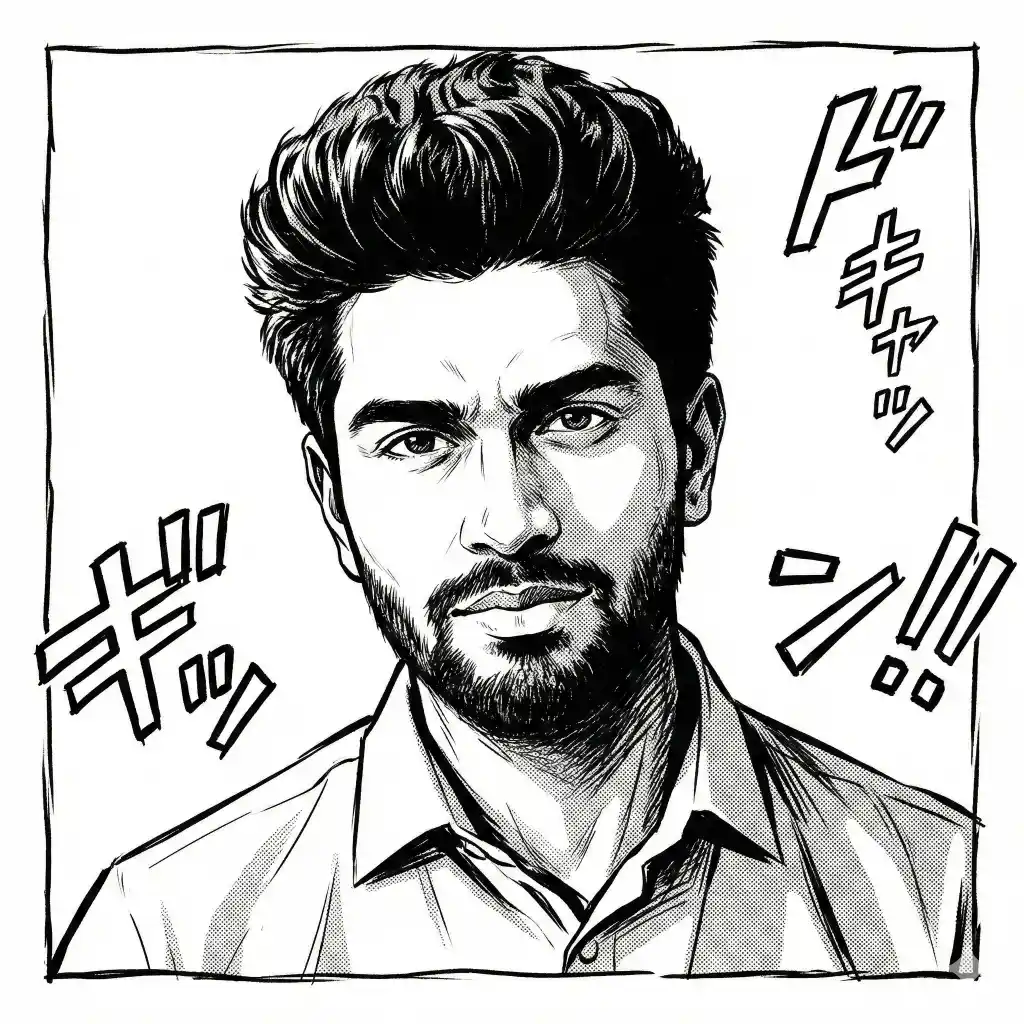
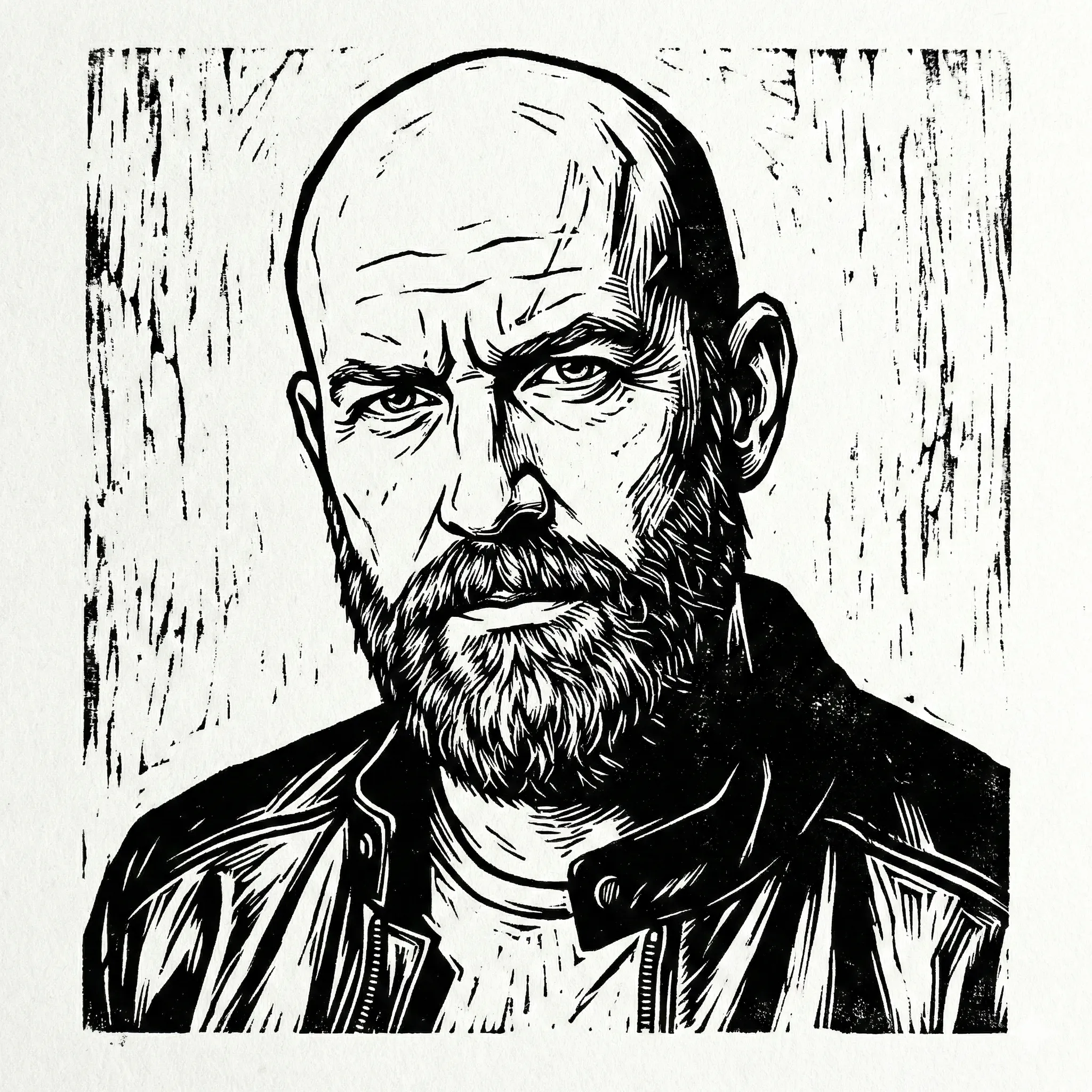 🪵 After







About Woodcut
Origins, history, and what makes this art style unique
The woodcut process involves carving an image into a block of wood (typically along the grain, distinguishing it from wood engraving which cuts across the end grain), inking the raised surface, and pressing it onto paper. This subtractive process produces bold, high-contrast images characterized by strong black lines against white space, with texture created through parallel hatching, cross-hatching, and stippled cuts. The grain of the wood itself often becomes a visible aesthetic element, lending organic texture to the printed image. Notable practitioners beyond Dürer include Hans Holbein the Younger, the Japanese ukiyo-e masters (who used a related but distinct color woodblock technique), and 20th-century Expressionists like Ernst Ludwig Kirchner and Käthe Kollwitz.
The woodcut experienced a powerful revival during the German Expressionist movement of the early 20th century, where artists like Emil Nolde and Karl Schmidt-Rottluff embraced its raw, forceful quality as an antidote to academic refinement. In Mexico, José Guadalupe Posada and later the Taller de Gráfica Popular used woodcuts and related relief prints for political commentary and social activism. The medium's democratic nature — requiring only simple tools and no press — has made it a vehicle for artistic expression across cultures, from Chinese New Year prints (nianhua) to contemporary letterpress revival movements.
Key Elements
The core artistic techniques that define Woodcut
Relief Carving Line Technique
Reproduces the subtractive carving process of woodcut printmaking, where the image is defined by bold raised lines and areas of solid black, with white space created by cutting away the wood surface — producing the characteristic high-contrast, graphic quality of relief prints.
Hatching and Cross-Hatching Tonality
Since traditional woodcuts cannot produce continuous tones, all shading is achieved through systems of parallel lines (hatching) and intersecting lines (cross-hatching) of varying density — a technique perfected by Dürer and the German Renaissance printmakers.
Organic Wood Grain Texture
Incorporates the natural texture of the wood block itself as a visible design element, lending an organic, handcrafted quality that distinguishes woodcuts from cleaner intaglio or lithographic prints and connects the image to its material origins.
How It Works
Transform your photo into woodcut art in 3 simple steps
Upload Your Photo
Choose any portrait photo from your device. Front-facing works best for stunning results.
Select Woodcut
Our AI analyzes your photo and applies the woodcut artistic style with precise attention to detail.
Download & Share
Get your high-quality cartoon portrait in about half a minute. Download in full resolution or share directly.
Perfect For
Before & After
See the Woodcut transformation in action
Woodcut FAQ
Woodcut carves into the plank grain (the flat side of the wood), producing broader, bolder lines suited to expressive imagery. Wood engraving, developed by Thomas Bewick in the late 18th century, cuts across the end grain of very hard boxwood, allowing much finer detail and tonal subtlety. Woodcut tends toward dramatic contrast and visible tool marks, while wood engraving approaches photographic detail.
Artists like Kirchner, Nolde, and Schmidt-Rottluff were drawn to the woodcut's raw, primitive energy as a deliberate rejection of academic polish and bourgeois refinement. The medium's bold contrasts, rough textures, and requirement for decisive carving aligned perfectly with Expressionism's emphasis on emotional directness and psychological intensity over naturalistic representation.
Dürer transformed the woodcut from a relatively crude reproductive medium into a vehicle for artistic genius. His "Apocalypse" series (1498) demonstrated that woodcuts could achieve a complexity and expressiveness rivaling painting. His technical innovations in line variation, cross-hatching density, and compositional sophistication established standards that influenced printmaking for centuries.
Try Woodcut
Style Now!🪵
Upload your photo and get your woodcut portrait in about half a minute.