Victorian innovation meets brass-and-gear fantasy
Steampunk as an aesthetic movement draws its roots from the speculative fiction of the 1980s, though its intellectual ancestry reaches back to the Victorian-era scientific romances of H.G. Wells and Jules Verne. The term was coined by author K.W. Jeter in...
 📷 Before
 ⚙️ After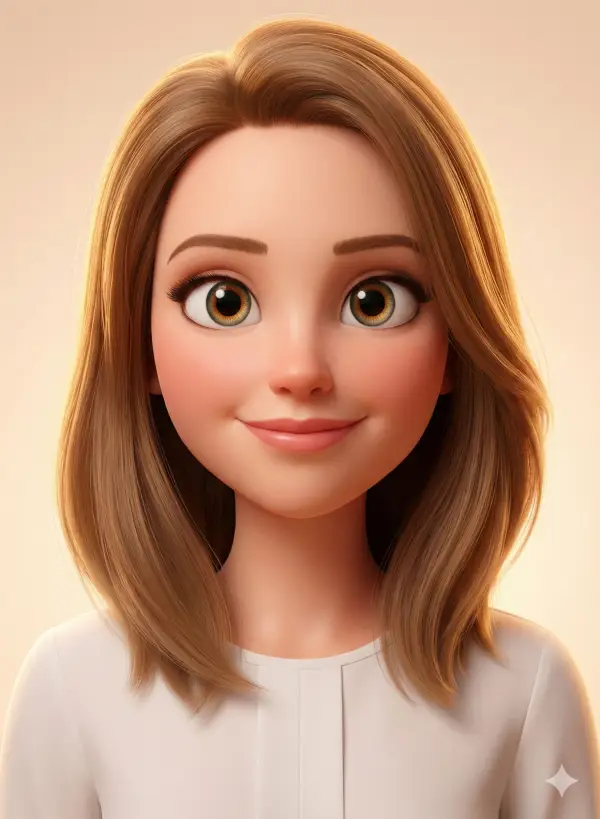

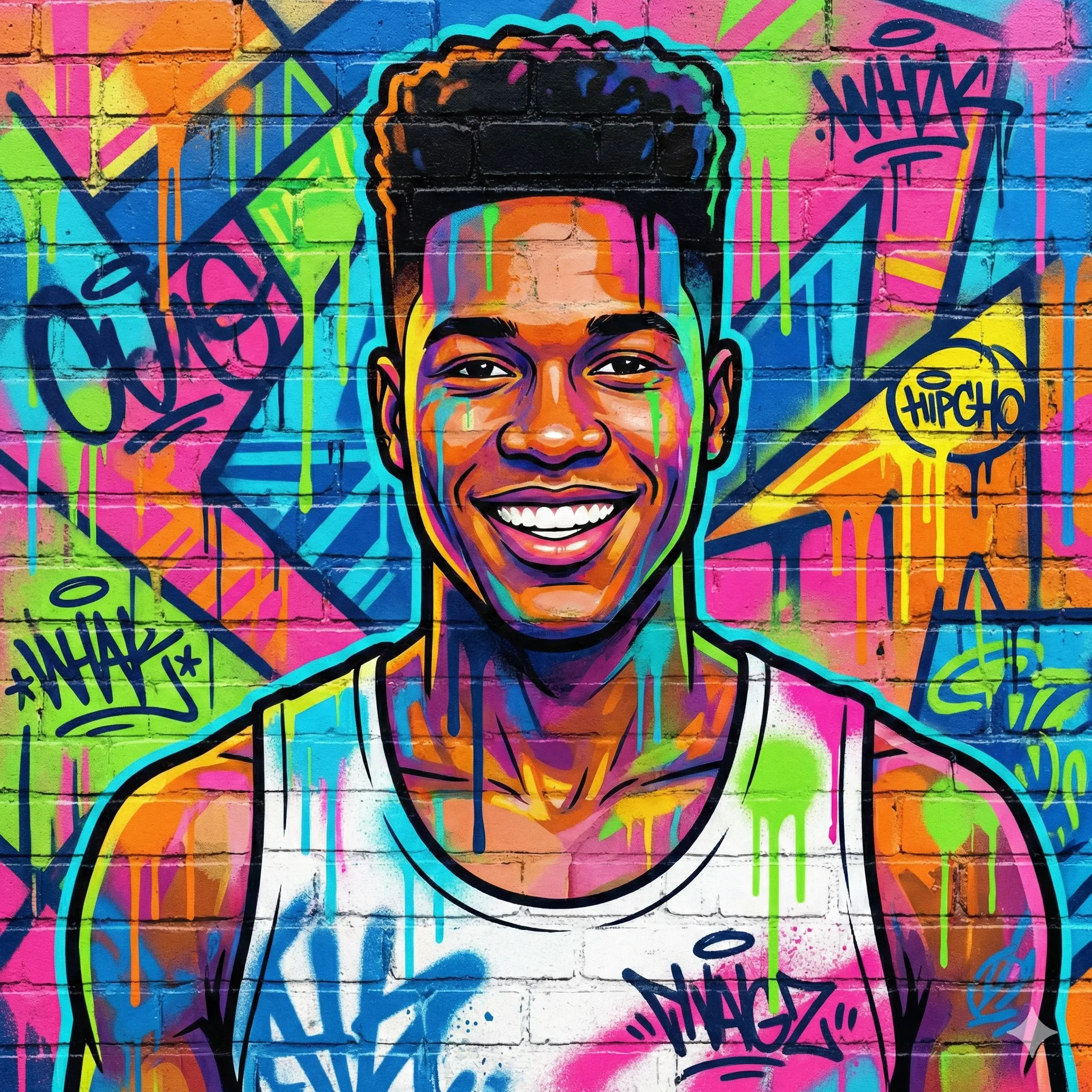




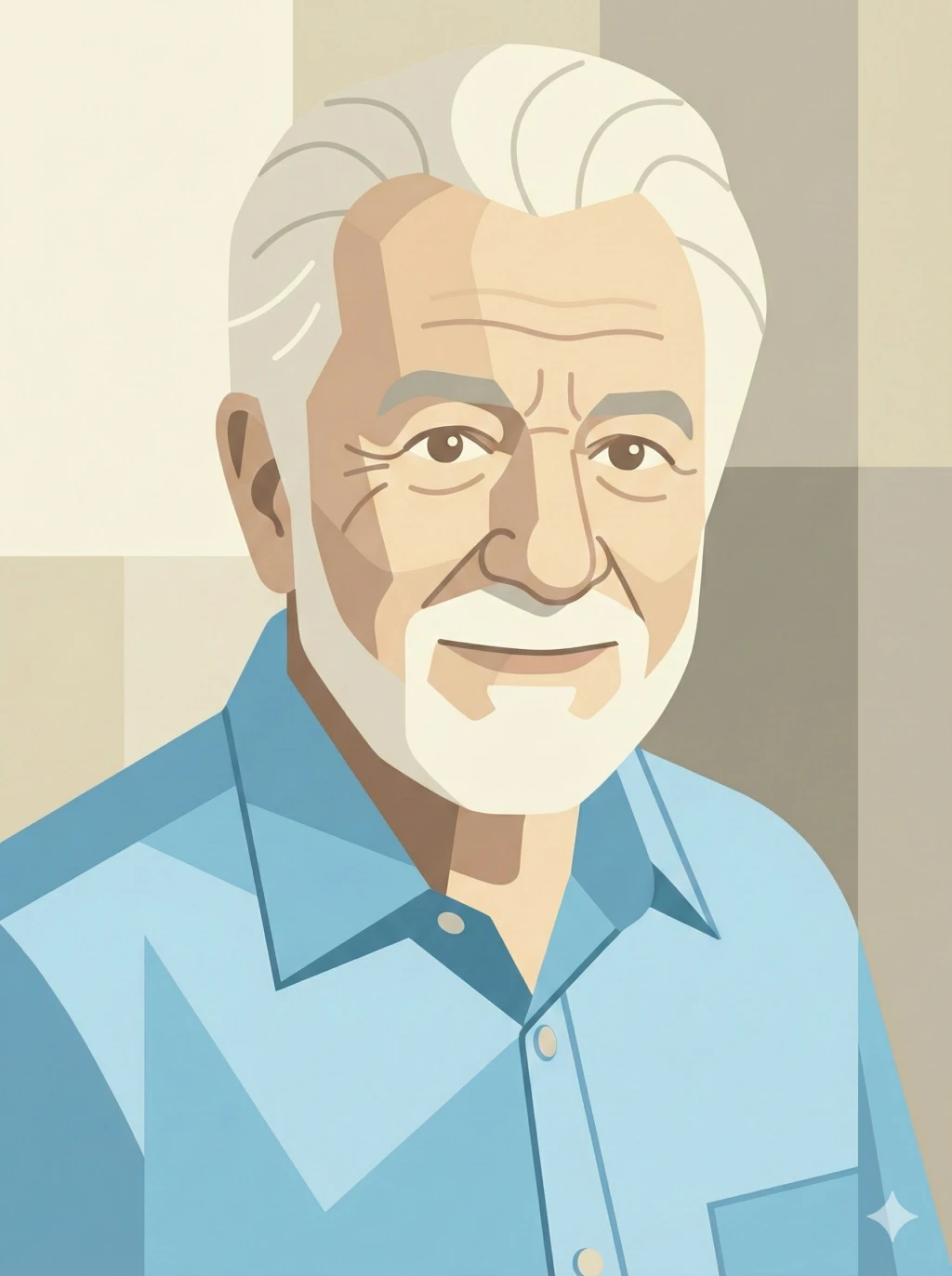
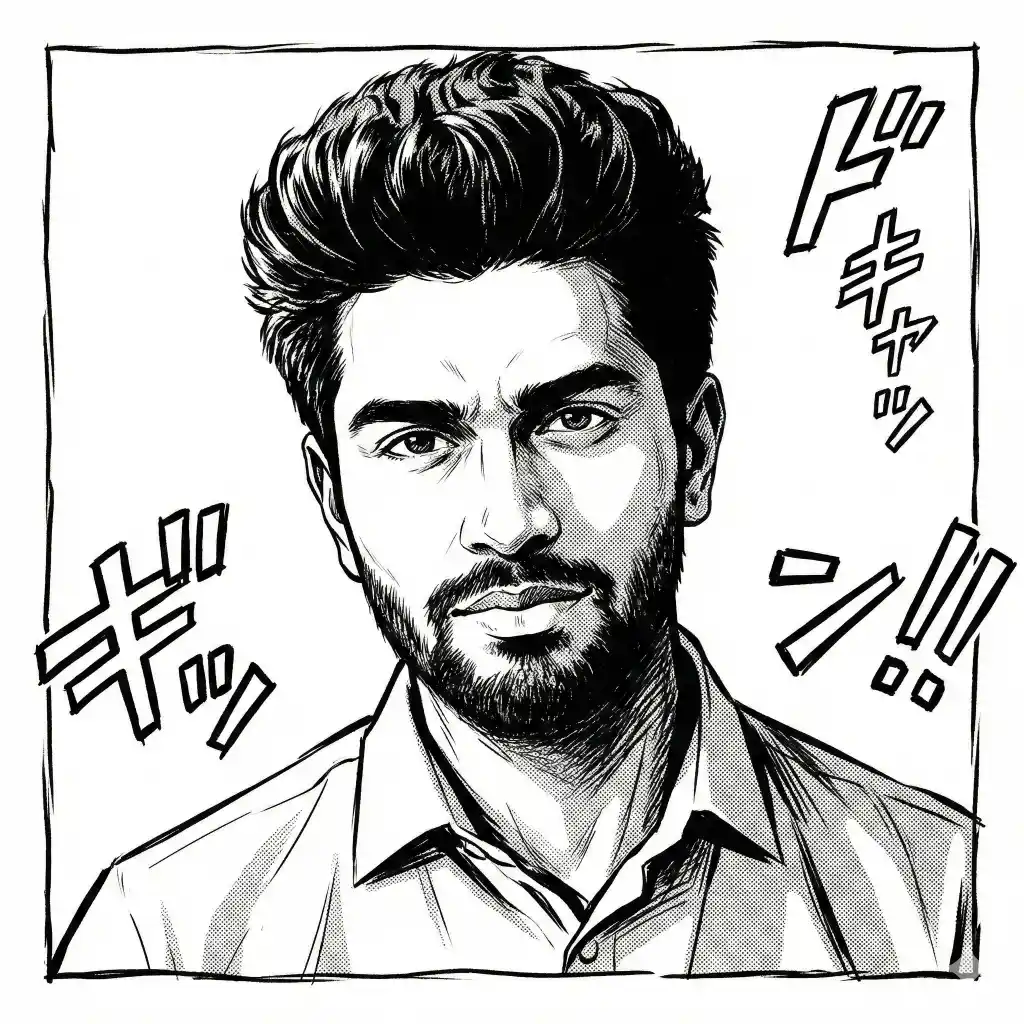
About Steampunk
Origins, history, and what makes this art style unique
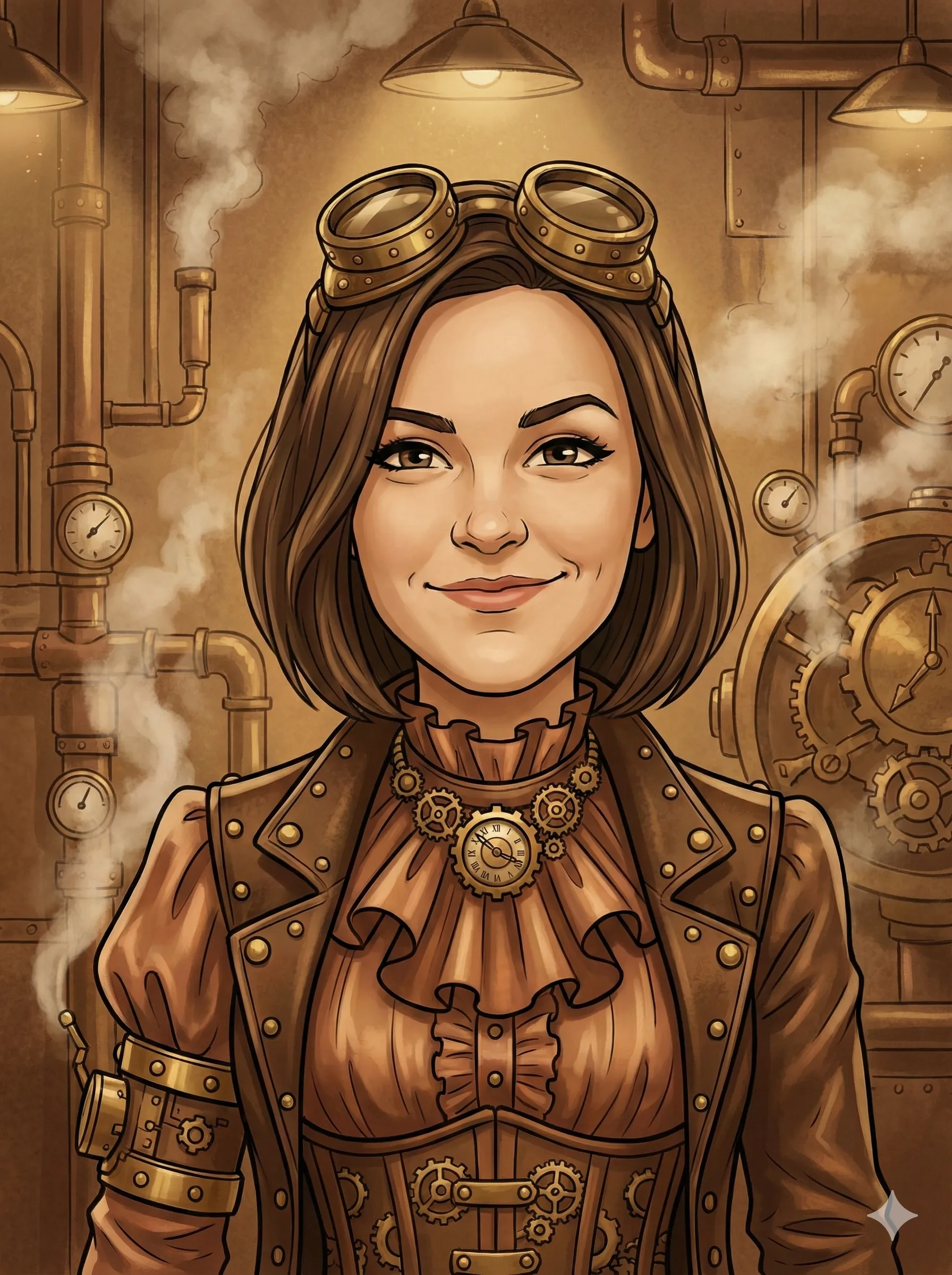
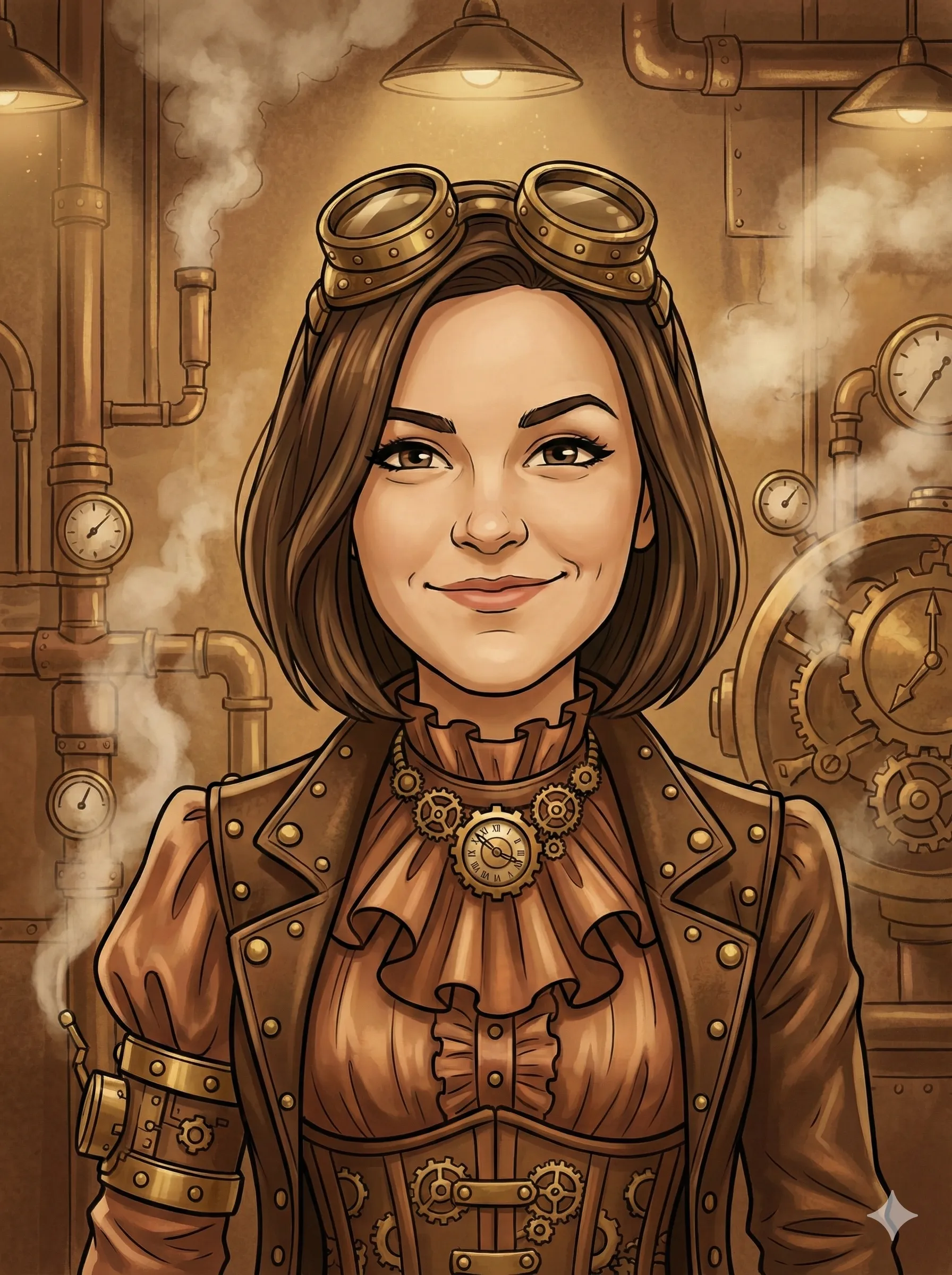
The artistic vocabulary of steampunk is deeply indebted to the Arts and Crafts movement and Art Nouveau, both of which emphasized handcrafted ornamentation over industrial uniformity. Key visual elements include exposed gears and cogs, copper and brass patinas, goggles, top hats, corsetry, and elaborate mechanical prosthetics. The color palette is dominated by warm sepias, burnished ambers, deep mahogany browns, and verdigris greens. Artists like James Ng, whose "Imperial Steamworks" series reimagined Chinese history through a steampunk lens, and Eric Freitas, known for his sculptural steampunk timepieces, have expanded the movement beyond its Western origins.
Culturally, steampunk represents a nostalgic yet subversive reimagining of the Industrial Revolution — one where craftsmanship triumphs over mass production and technology retains a sense of wonder and visible mechanical logic. It has influenced fashion, interior design, film, and video games. The movement's DIY ethos and emphasis on repurposing old objects aligns it with contemporary maker culture and sustainability movements.
Key Elements
The core artistic techniques that define Steampunk
Victorian Mechanical Ornamentation
Incorporates exposed clockwork gears, brass rivets, copper pipes, and steam-powered apparatus as decorative motifs, reflecting the Arts and Crafts movement's celebration of visible craftsmanship and mechanical ingenuity.
Warm Metallic Color Theory
Employs a palette anchored in sepia, amber, burnished gold, verdigris green, and deep mahogany — colors derived from aged brass, oxidized copper, and Victorian-era photographic processes like albumen printing.
Technical Illustration Line Work
Draws on the tradition of 19th-century patent drawings and engineering diagrams, using precise cross-hatching, stippling, and engraved line techniques to render mechanical details with both accuracy and decorative elegance.
How It Works
Transform your photo into steampunk art in 3 simple steps
Upload Your Photo
Choose any portrait photo from your device. Front-facing works best for stunning results.
Select Steampunk
Our AI analyzes your photo and applies the steampunk artistic style with precise attention to detail.
Download & Share
Get your high-quality cartoon portrait in about half a minute. Download in full resolution or share directly.
Perfect For
Before & After
See the Steampunk transformation in action
Steampunk FAQ
Steampunk's visual language derives from the scientific romances of Jules Verne and H.G. Wells, whose descriptions of elaborate submarines, time machines, and airships inspired generations of illustrators. The modern aesthetic coalesced in the 1980s alongside the literary genre named by K.W. Jeter, drawing heavily on Victorian-era technical illustration, Art Nouveau decorative design, and the Gothic Revival architectural tradition.
While authentic Victorian illustration focused on realism, botanical accuracy, or narrative storytelling (as in the work of John Tenniel or Aubrey Beardsley), steampunk deliberately introduces anachronistic technology and fantastical mechanical elements. It combines the fine line work and cross-hatching of period illustration with imaginative inventions that never existed, creating a retro-futuristic hybrid aesthetic.
The Arts and Crafts movement, led by William Morris and John Ruskin in the late 19th century, championed handcrafted quality and visible construction over the anonymity of machine production. Steampunk inherits this philosophy by celebrating exposed gears, hand-riveted metal, and ornamental engineering — making the mechanical workings of objects visible and beautiful rather than hidden inside smooth casings.
Try Steampunk
Style Now!⚙️
Upload your photo and get your steampunk portrait in about half a minute.