Bold, iconic, revolutionary
Pop Art emerged in the mid-1950s in Britain and the late 1950s in the United States as a radical challenge to the dominant Abstract Expressionist orthodoxy. The movement drew its imagery, techniques, and philosophical stance from mass culture — advertising,...
 📷 Before
 💥 After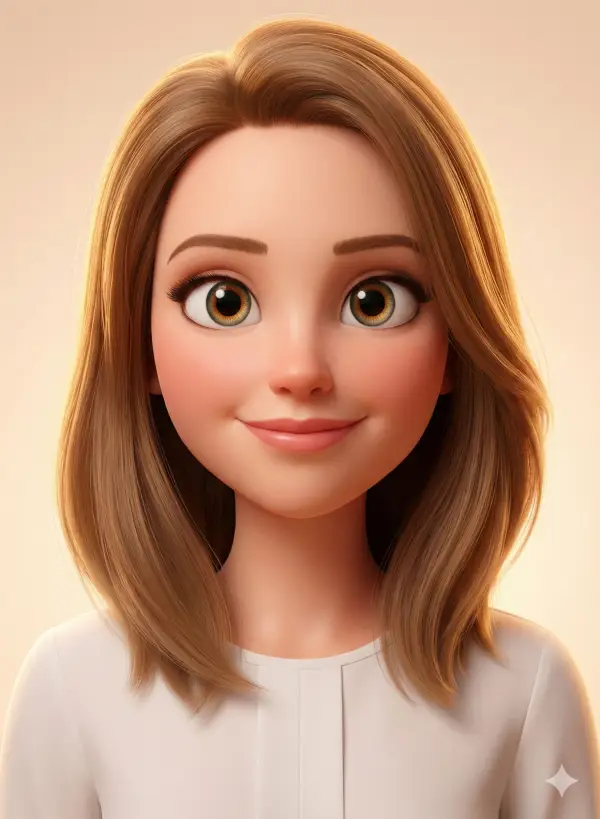







About Pop Art
Origins, history, and what makes this art style unique
In the United States, Pop Art found its most iconic practitioners in Andy Warhol, Roy Lichtenstein, James Rosenquist, Claes Oldenburg, and Tom Wesselmann. Warhol, a former commercial illustrator, brought the production logic of advertising into fine art with devastating effectiveness — his silkscreen prints of Campbell's Soup cans (1962) and Marilyn Monroe portraits used mechanical reproduction techniques to question notions of originality, authenticity, and artistic labor. Lichtenstein appropriated the visual language of comic books, enlarging individual panels to monumental scale and faithfully reproducing their Ben-Day dot printing patterns in paint, transforming throwaway commercial printing into meticulous, large-scale paintings that operated simultaneously as formal abstractions and commentaries on visual reproduction. The movement's embrace of bold, flat color, hard edges, commercial printing techniques, and instantly recognizable popular imagery created a visual vocabulary that profoundly influenced graphic design, advertising, fashion, and subsequent art movements including Neo-Pop and Appropriation Art.
Pop Art's cultural significance extends far beyond the art world. By declaring that a soup can or a comic panel could be worthy of the same serious attention as a Rembrandt portrait, the movement democratized the relationship between art and its audience, making contemporary art accessible and relevant to people who felt excluded by Abstract Expressionism's opacity. The movement also anticipated the image-saturated, brand-driven visual culture that now defines the digital age — Warhol's observation that "in the future, everyone will be world-famous for 15 minutes" reads as prophetic in the era of social media and viral content. Artists like Jeff Koons, Takashi Murakami, and KAWS continue to mine the territory that Pop Art opened, exploring the intersections of art, commerce, celebrity, and mass production.
Key Elements
The core artistic techniques that define Pop Art
Ben-Day Dots & Mechanical Reproduction Aesthetics
Roy Lichtenstein's signature technique of hand-painting Ben-Day dots — the small, evenly spaced colored dots used in commercial printing to create the illusion of secondary colors and tonal gradation — elevated a cheap industrial printing artifact into a fine art device. By meticulously reproducing at large scale what was originally a mechanical, anonymous process, Lichtenstein created a visual paradox: handcrafted paintings that look mass-produced, questioning the relationship between originality and reproduction that Walter Benjamin had theorized decades earlier.
Flat Color & Hard-Edge Graphic Composition
Pop Art's visual language is built on flat, uninflected areas of saturated color separated by crisp, definitive edges — a deliberate rejection of Abstract Expressionism's gestural brushwork and tonal complexity. This graphic flatness, borrowed from commercial printing, advertising layout, and industrial design, creates immediate visual impact and high readability at any scale. The limited palette — often restricted to printing primaries (cyan, magenta, yellow, black) plus bold secondaries — reflects the movement's engagement with mass production processes.
Appropriation & Cultural Commentary
Pop Art pioneered the strategy of appropriation — taking images directly from mass media, advertising, and consumer culture and recontextualizing them within a fine art framework. Warhol's soup cans, Lichtenstein's comic panels, and Rosenquist's billboard-scale collages all operate through this displacement, forcing viewers to see familiar commercial imagery with fresh critical attention. This strategy fundamentally influenced subsequent movements including Appropriation Art, Neo-Geo, and much of contemporary digital art practice.
How It Works
Transform your photo into pop art art in 3 simple steps
Upload Your Photo
Choose any portrait photo from your device. Front-facing works best for stunning results.
Select Pop Art
Our AI analyzes your photo and applies the pop art artistic style with precise attention to detail.
Download & Share
Get your high-quality cartoon portrait in about half a minute. Download in full resolution or share directly.
Perfect For
Before & After
See the Pop Art transformation in action
Pop Art FAQ
Pop Art originated in 1950s Britain through the Independent Group (Richard Hamilton, Eduardo Paolozzi, Lawrence Alloway) who were fascinated by American consumer culture and mass media imagery. It developed independently in late-1950s America, where artists like Jasper Johns and Robert Rauschenberg had already begun incorporating everyday objects into art. The movement was partly a reaction against Abstract Expressionism's inward-looking, emotionally intense aesthetic — Pop artists turned outward toward the shared visual environment of advertising, television, comic books, and supermarket shelves. Their work asked whether art could engage directly with mass culture rather than retreating from it, and whether the distinction between "fine art" and "commercial art" was meaningful or merely institutional.
Warhol and Lichtenstein represent complementary but distinct Pop Art strategies. Warhol embraced actual mechanical reproduction, using photographic silkscreen processes to transfer images onto canvas — the deliberate imperfections of registration, ink density, and color alignment in his prints were byproducts of the industrial process rather than artistic gestures. Lichtenstein, conversely, meticulously hand-painted images that mimicked mechanical reproduction, painstakingly applying Ben-Day dots and flat color areas by hand to create paintings that look machine-made but are entirely crafted. Warhol used machines to make art; Lichtenstein used art to simulate machines.
Pop Art anticipated the image-saturated, brand-driven, celebrity-obsessed culture that now defines the digital age with remarkable prescience. Warhol's exploration of fame, serial repetition, and the commodification of identity reads as an early analysis of social media culture and viral media. The movement's dissolution of boundaries between art and commerce, high and low culture, and original and reproduction are now the default conditions of digital visual culture. Contemporary artists like Jeff Koons, Takashi Murakami, KAWS, and Banksy continue to operate in territory that Pop Art first mapped, and the movement's graphic visual language remains one of the most instantly recognizable and widely referenced in design, fashion, and advertising.
Try Pop Art
Style Now!💥
Upload your photo and get your pop art portrait in about half a minute.