Floating world woodblock prints from Edo-period Japan
Ukiyo-e (浮世絵, "pictures of the floating world") is the iconic Japanese art form of woodblock printing that flourished from the 17th through 19th centuries during the Edo period (1603–1868). The term "floating world" (ukiyo) originally carried Buddhist...
 📷 Before
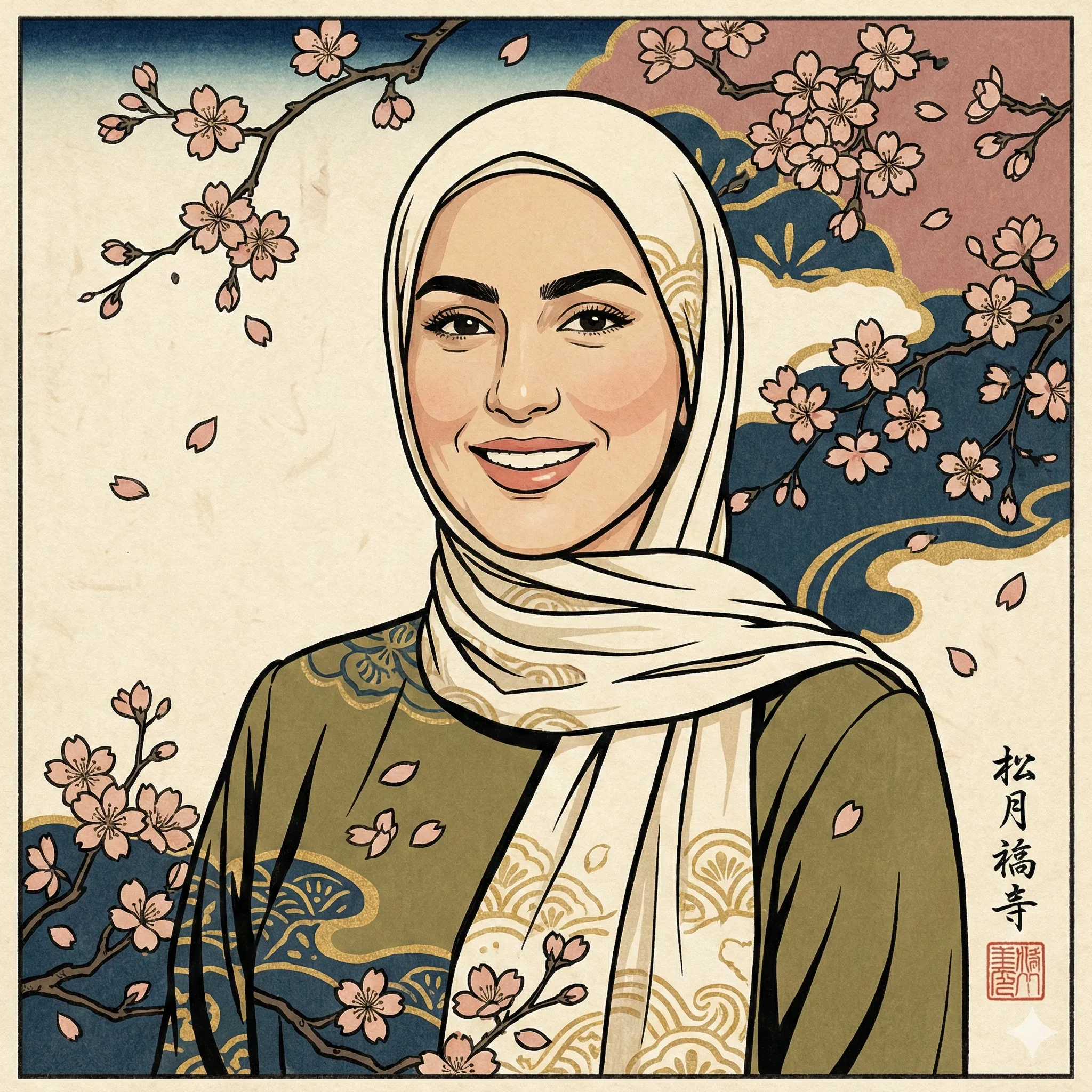 🌊 After






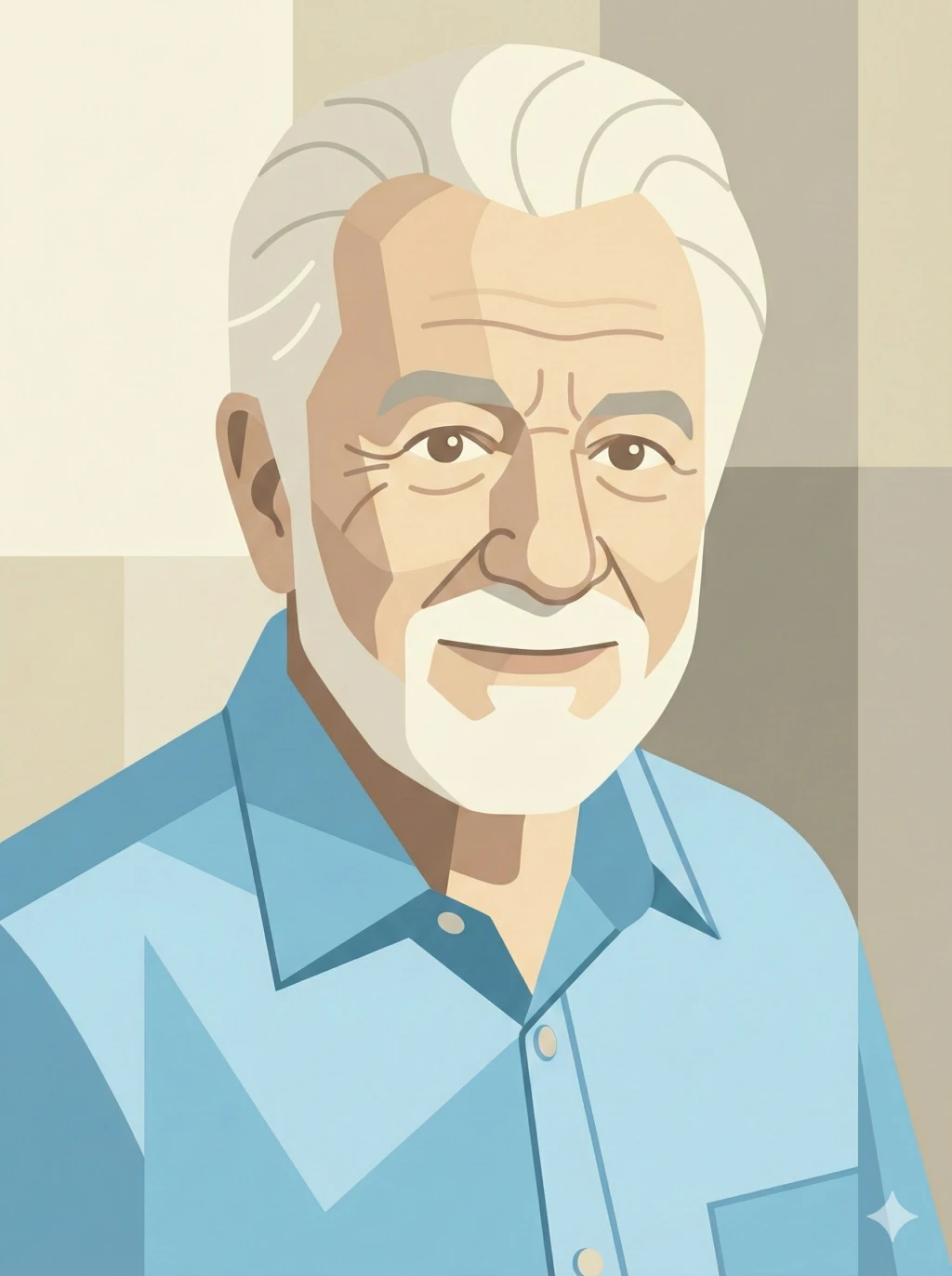
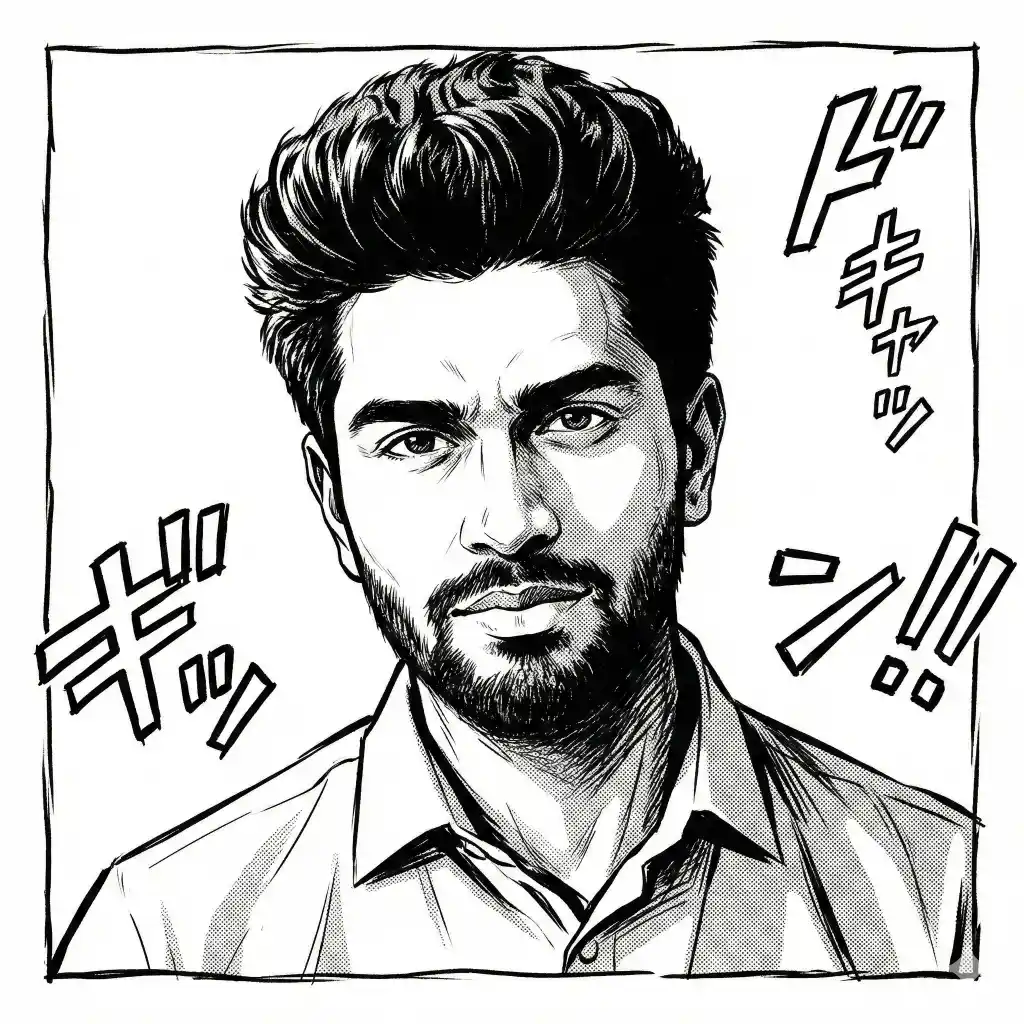
About Ukiyo-e
Origins, history, and what makes this art style unique
The production of ukiyo-e was a collaborative process involving three specialists: the artist (eshi) who created the design, the carver (horishi) who cut separate cherry-wood blocks for each color, and the printer (surishi) who applied water-based pigments and pressed paper against the blocks using a handheld baren. This process produced the style's characteristic features: precise black outlines (from the key block), flat areas of color without shading, subtle gradations achieved through the bokashi technique of graduated ink application, and the visible texture of handmade washi paper. A single print might require ten to twenty separate color blocks, each precisely aligned using registration marks (kento).
The greatest ukiyo-e masters are among the most recognizable names in world art. Kitagawa Utamaro (1753–1806) elevated the bijin-ga (beautiful women) genre to psychological portraiture. Katsushika Hokusai (1760–1849) produced the legendary "Thirty-Six Views of Mount Fuji" series, including "The Great Wave off Kanagawa" — arguably the most reproduced image in art history. Utagawa Hiroshige (1797–1858) created the poetic landscape masterpiece "The Fifty-Three Stations of the Tōkaidō." When ukiyo-e prints reached Europe in the 1860s, they profoundly influenced Impressionist and Post-Impressionist artists — Monet, Degas, Van Gogh, and Toulouse-Lautrec all collected and studied them, and the resulting "Japonisme" movement permanently altered Western art's approach to composition, color, and line.
Key Elements
The core artistic techniques that define Ukiyo-e
Key Block Outlines and Flat Color
Replicates the ukiyo-e printing process where a master "key block" (主版) prints crisp black outlines, and separate color blocks fill areas with flat, unmodulated pigment — producing the distinctive graphic clarity and decorative elegance that defined Edo-period prints.
Bokashi Graduated Tone Technique
Applies the bokashi method where the printer wipes pigment across the block in a gradient before pressing, creating smooth tonal transitions — particularly in skies, water, and backgrounds. This technique, mastered by printers for Hiroshige's landscape series, adds atmospheric depth within the flat-color system.
Edo-Period Color Palette and Pigments
Uses the historically accurate palette of ukiyo-e: ai (indigo blue from dayflower), beni (safflower red), shu (vermillion), wasurenagusa (pale blue), ki (gamboge yellow), and sumi (carbon black) — colors dictated by the water-soluble pigments available to Edo-period printers.
How It Works
Transform your photo into ukiyo-e art in 3 simple steps
Upload Your Photo
Choose any portrait photo from your device. Front-facing works best for stunning results.
Select Ukiyo-e
Our AI analyzes your photo and applies the ukiyo-e artistic style with precise attention to detail.
Download & Share
Get your high-quality cartoon portrait in about half a minute. Download in full resolution or share directly.
Perfect For
Before & After
See the Ukiyo-e transformation in action
Ukiyo-e FAQ
Ukiyo-e production was a collaborative craft involving three specialists. The artist (eshi) drew the design on thin paper, which was pasted face-down onto a cherry-wood block. The carver (horishi) cut a key block for the outlines and separate blocks for each color. The printer (surishi) applied water-based pigments to each block and pressed dampened washi paper against it using a disc-shaped baren. A single print could require 10–20 separate impressions, each precisely aligned using corner and side registration marks (kento).
When Japan opened to trade in the 1850s–60s, ukiyo-e prints flooded into Europe, triggering "Japonisme." The prints' bold outlines, flat color areas, asymmetric compositions, cropped views, and elevated viewpoints offered radical alternatives to Western perspective and chiaroscuro. Van Gogh copied Hiroshige prints in oil; Monet collected hundreds of prints; Degas adopted ukiyo-e's dramatic cropping; and Art Nouveau's flowing lines directly descended from Japanese decorative sensibility.
The principal genres include: bijin-ga (pictures of beautiful women), perfected by Utamaro; yakusha-e (kabuki actor portraits), dominated by Sharaku's psychologically intense likenesses; fukei-ga (landscapes), brought to greatness by Hokusai and Hiroshige; musha-e (warrior pictures) depicting historical and legendary samurai; and shunga (erotic prints), a commercially significant genre produced by nearly all major ukiyo-e artists including Utamaro and Hokusai.
Try Ukiyo-e
Style Now!🌊
Upload your photo and get your ukiyo-e portrait in about half a minute.