Timeless magic of hand-drawn animation
The classic 2D animation style represents one of the most influential visual art traditions of the 20th century, with origins in the pioneering American cartoon studios of the 1920s. What began as crude but inventive short cartoons evolved into a...
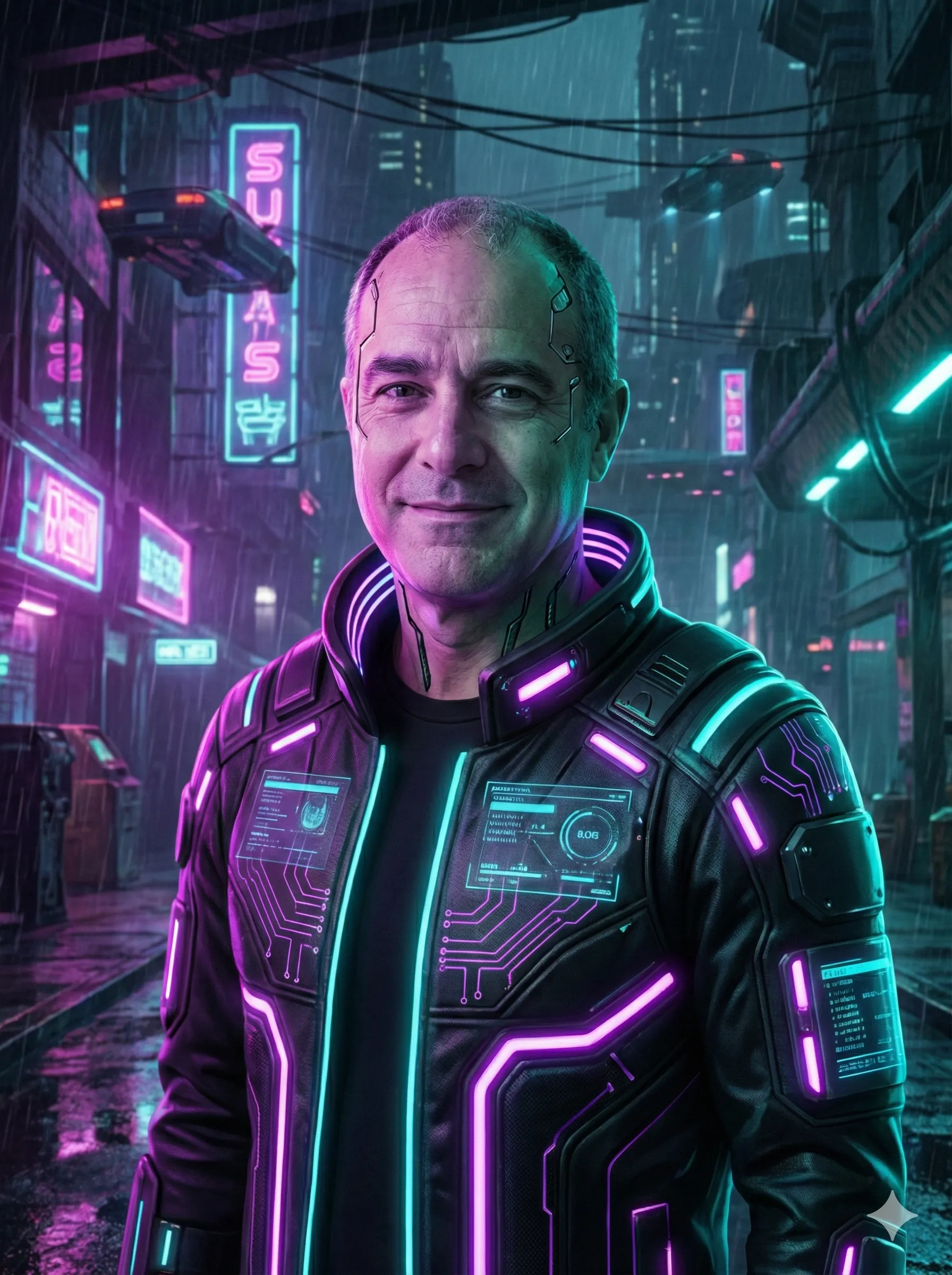
 📷 Before
 👸 After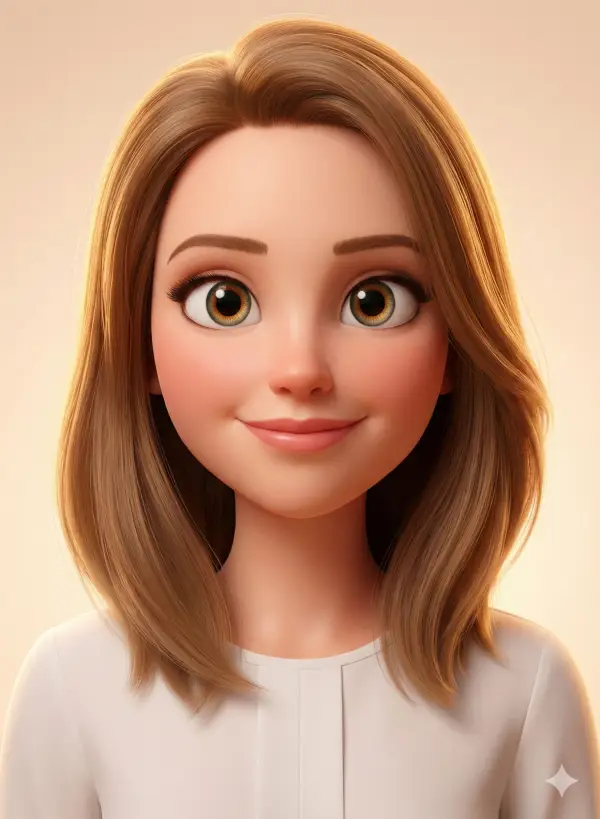
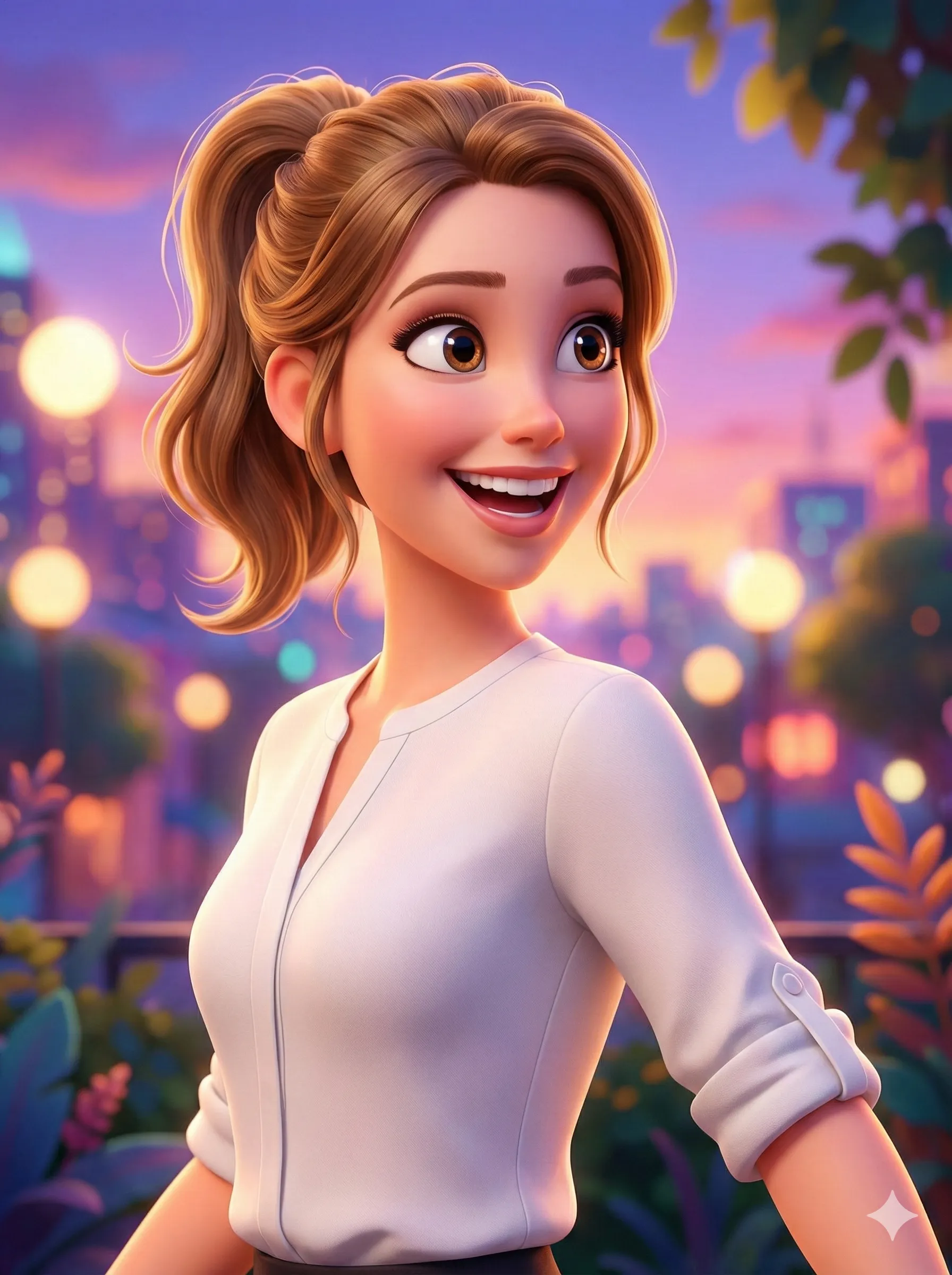

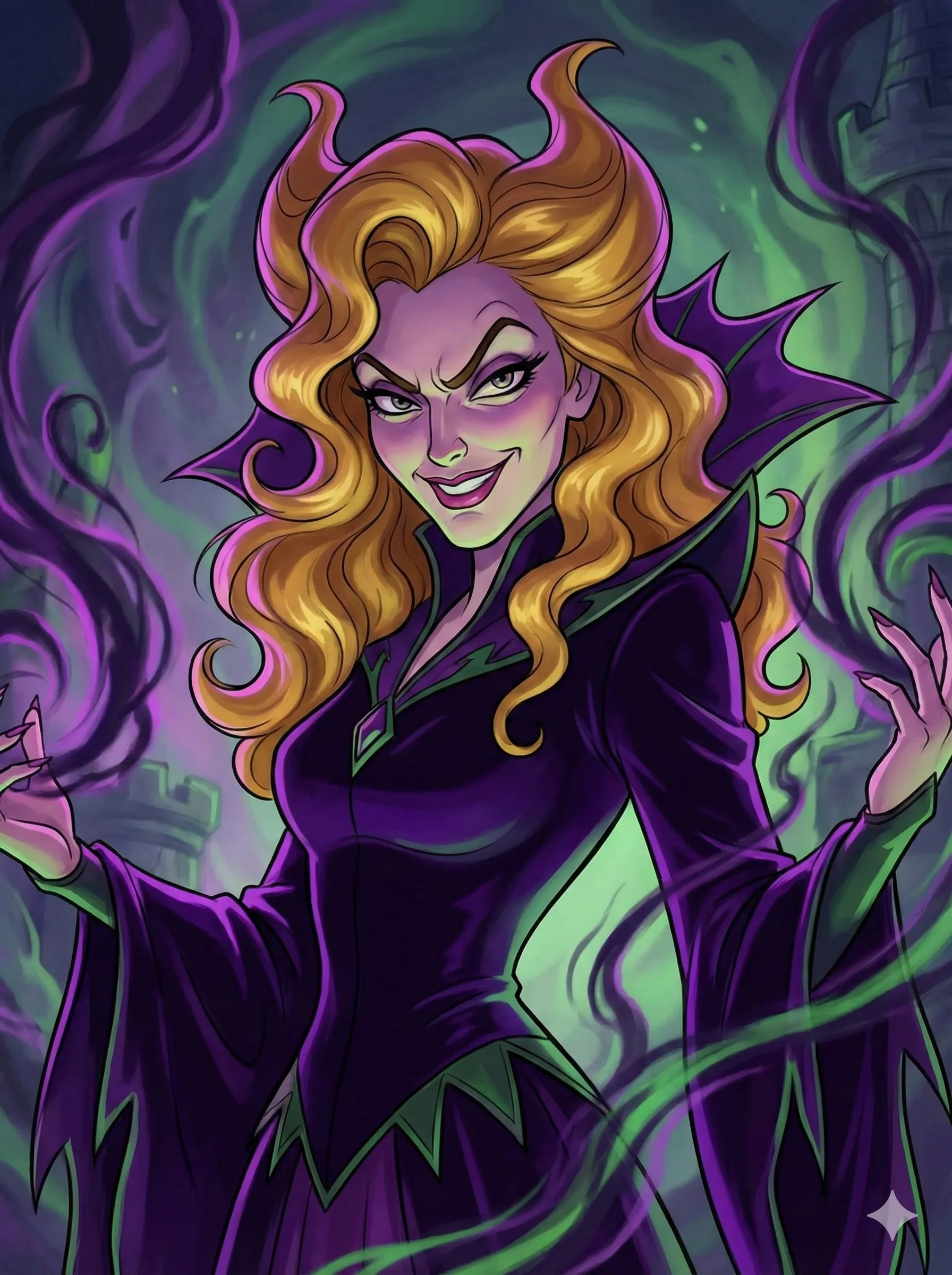


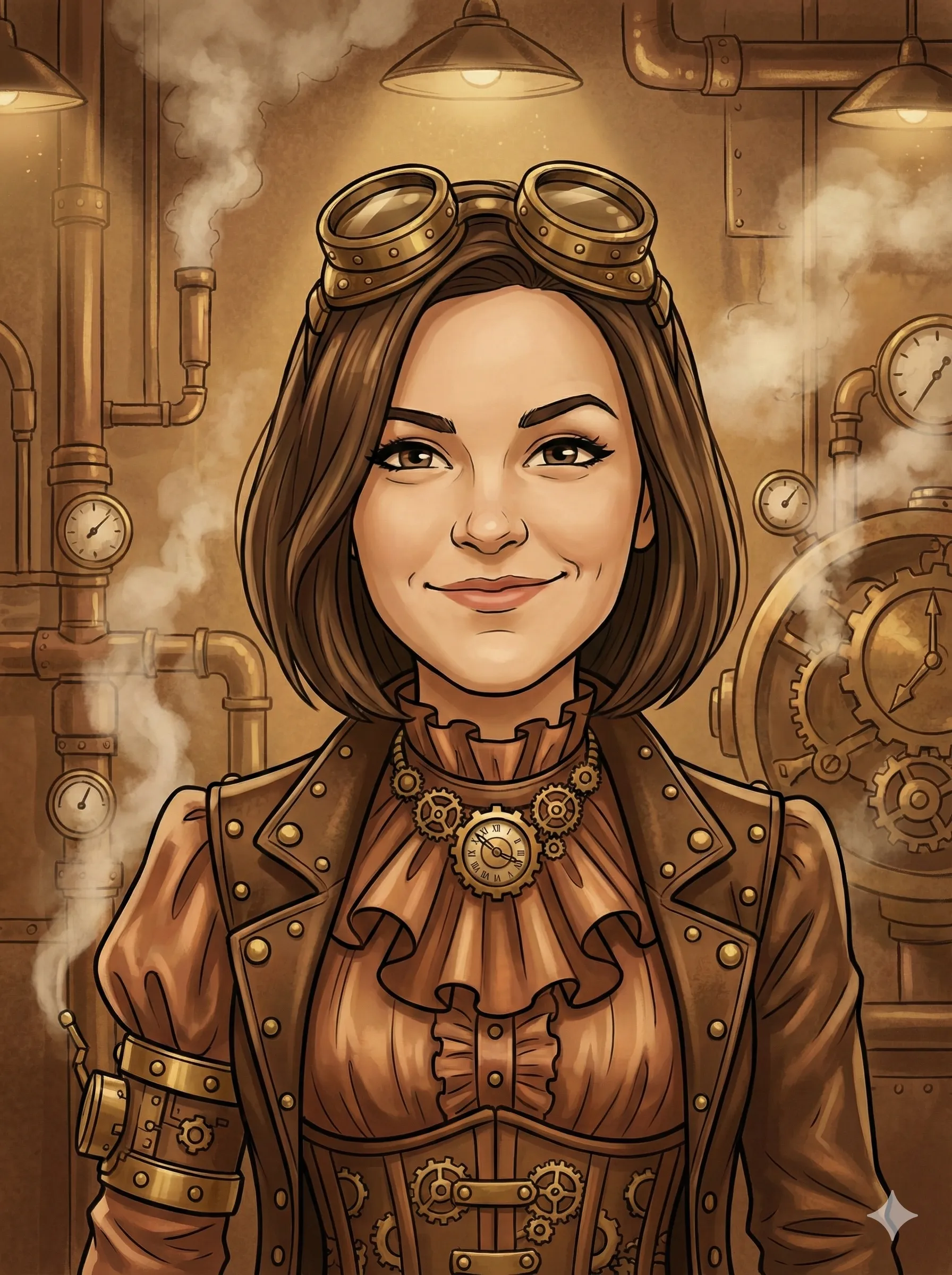



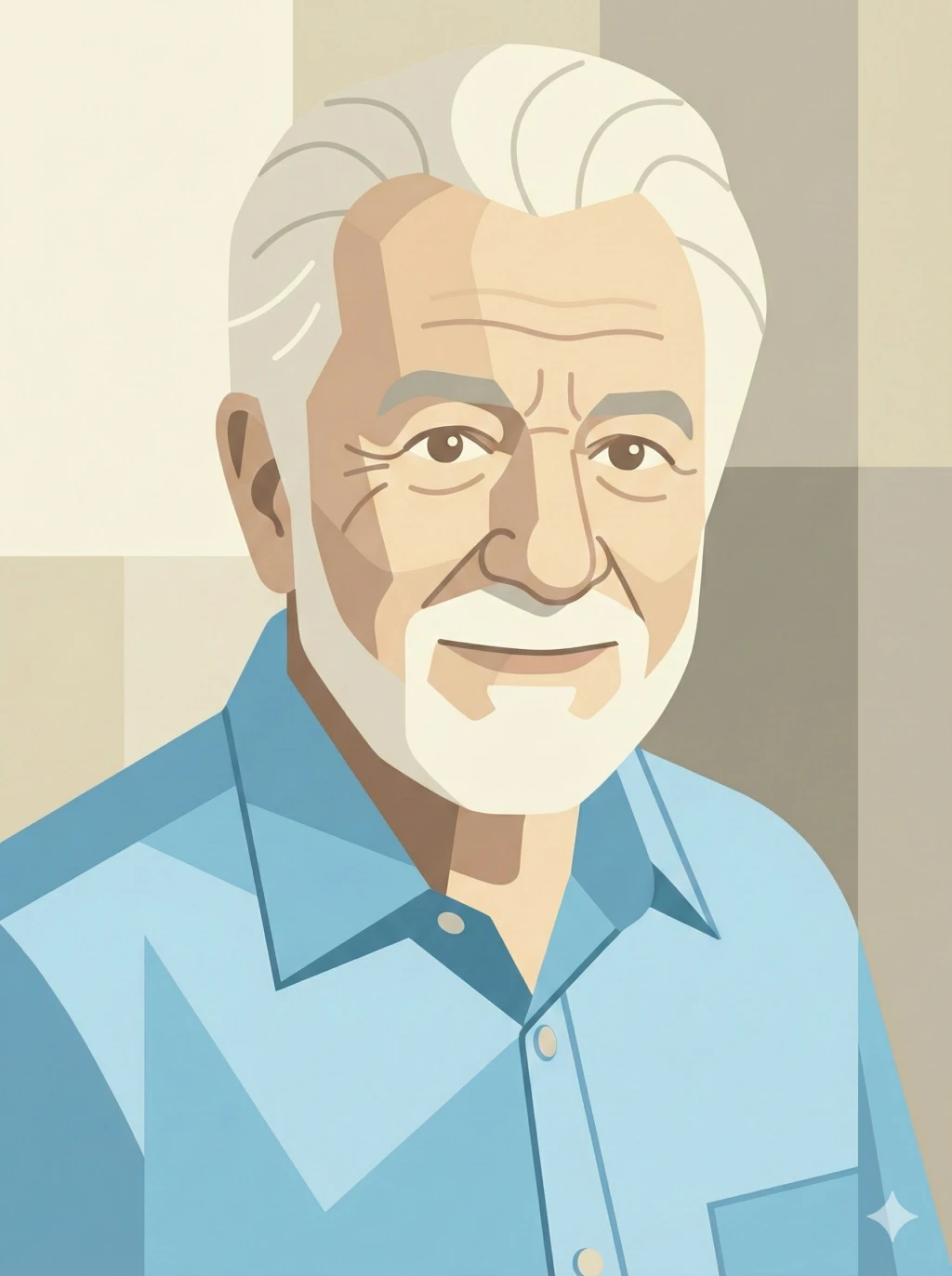
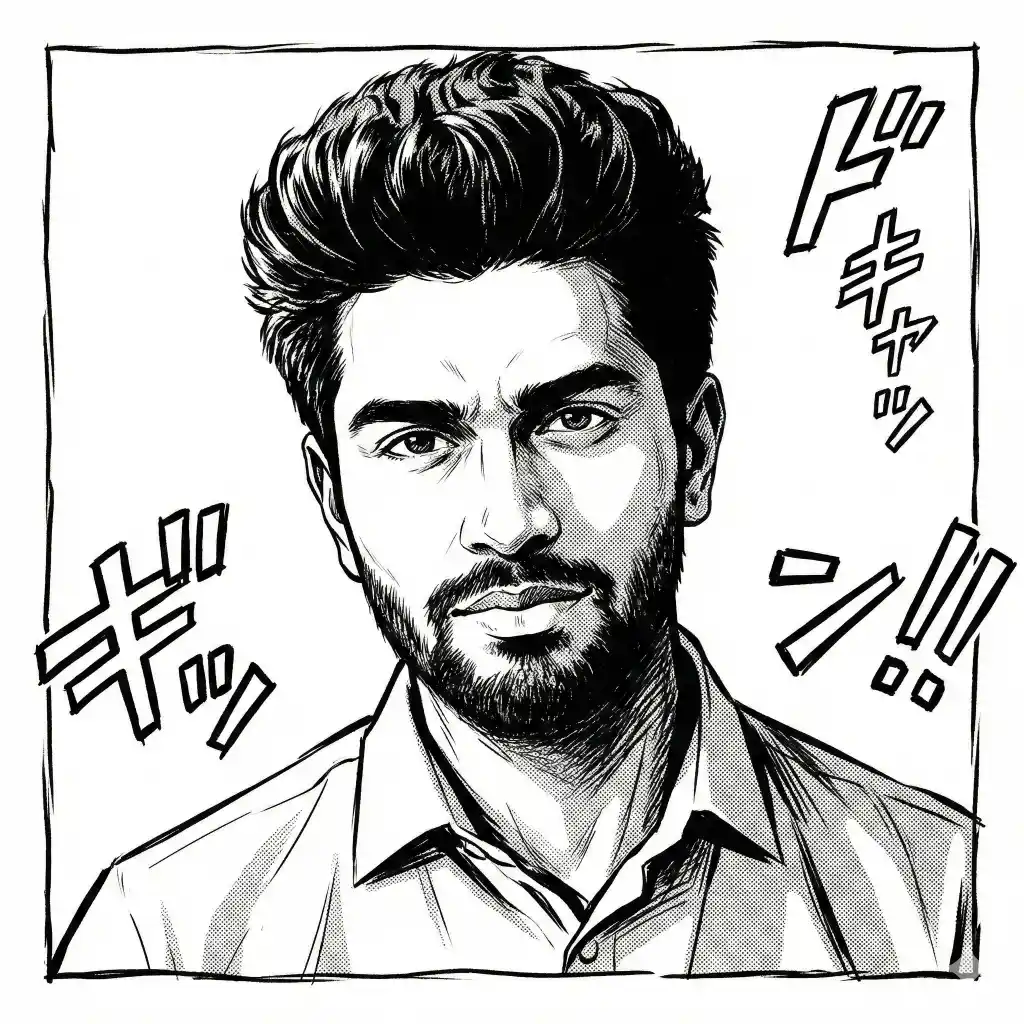
About Classic 2D Animation
Origins, history, and what makes this art style unique
This classic visual style is distinguished by its synthesis of fine art traditions with commercial entertainment. The golden-age studios employed classically trained artists who brought techniques from life drawing, Impressionist painting, and Romantic landscape art into the animation pipeline. Background painters like Eyvind Earle and Tyrus Wong created environments of extraordinary artistic ambition — Earle's Gothic-tapestry-inspired forests and Wong's misty, Sung Dynasty-influenced landscapes elevated animated backgrounds from functional settings to standalone works of art. Character design balanced anatomical plausibility with expressive exaggeration, creating figures that moved with convincing weight and physicality while maintaining the appeal and readability essential to animated storytelling. The use of the multiplane camera, developed in the 1930s, added parallax depth to 2D scenes, creating a sense of spatial immersion that distinguished the finest studio work of the era.
The hand-drawn animation renaissance of 1989-1999 represented the final flowering of the traditional 2D pipeline, incorporating early digital ink-and-paint and compositing technology while maintaining hand-drawn character animation at its core. The era's beloved musical features demonstrated the mature classic 2D style at its most refined: fluid character performance, sophisticated color design, and emotional storytelling that resonated across cultures and generations. Though the industry largely transitioned to 3D CGI production in the 2000s, the 2D legacy remains profoundly influential, with its principles and aesthetics continuing to shape animation, illustration, and character design worldwide.
Key Elements
The core artistic techniques that define Classic 2D Animation
The Twelve Principles of Animation
The golden-age master animators codified twelve foundational principles — including squash and stretch, anticipation, slow-in and slow-out, arcs, secondary action, and appeal — that govern how characters move and emote convincingly. These principles, rooted in observation of real physics and human behavior, create the illusion of life that distinguishes classic feature animation from simpler cartoon styles. Every character design is built to support these principles, with forms that deform expressively while maintaining structural integrity.
Painterly Backgrounds & Environmental Storytelling
The classic studio background art tradition draws from fine art painting movements including Impressionism, Romanticism, and East Asian ink painting. Artists like Eyvind Earle brought a Pre-Raphaelite precision to Gothic fairy-tale forests, while Tyrus Wong infused woodland scenes with the atmospheric minimalism of Song Dynasty landscape painting. These backgrounds serve a narrative function, using color temperature, value contrast, and compositional framing to direct emotional response and guide the viewer's eye through each scene.
Expressive Line Quality & Character Appeal
Classic 2D line work descends from the European academic drawing tradition filtered through early 20th-century commercial illustration. Characters are constructed with clean, confident contour lines that vary in weight — thicker strokes define outer silhouettes and shadow edges, while thinner lines describe interior detail and suggest form turning in light. This calligraphic approach to line, combined with the design principle of "appeal" (creating forms that are aesthetically pleasing and emotionally engaging regardless of whether the character is heroic or villainous), produces the instantly recognizable classic animation look.
How It Works
Transform your photo into classic 2d animation art in 3 simple steps
Upload Your Photo
Choose any portrait photo from your device. Front-facing works best for stunning results.
Select Classic 2D Animation
Our AI analyzes your photo and applies the classic 2d animation artistic style with precise attention to detail.
Download & Share
Get your high-quality cartoon portrait in about half a minute. Download in full resolution or share directly.
Perfect For
Before & After
See the Classic 2D Animation transformation in action
Classic 2D Animation FAQ
The classic 2D style was developed over decades beginning in the late 1920s, reaching maturity through the golden-age features of 1937-1959 and the hand-drawn renaissance of 1989-1999. It is defined by fluid character animation governed by the Twelve Principles, classically trained draftsmanship combining anatomical study with expressive exaggeration, painterly backgrounds influenced by fine art traditions, and a design philosophy centered on "appeal" — the idea that every element should be aesthetically pleasing and emotionally engaging. The style represents the largest sustained investment in 2D character animation in history.
Golden-age background artists were often the unsung architects of classic animation's visual identity. Tyrus Wong, a Chinese-American artist, brought Song Dynasty painting aesthetics to a landmark 1942 woodland feature, creating misty, impressionistic forest scenes using minimal brushwork. Eyvind Earle imposed a radically stylized, Medieval-tapestry-inspired visual scheme on a celebrated 1959 fairy-tale feature that influenced every element of the film's design. During the 1990s renaissance, background artists developed digital-traditional hybrid techniques that maintained the painterly warmth of earlier backgrounds while achieving greater chromatic complexity. These artists demonstrated that animated backgrounds could aspire to the standards of gallery painting.
The classic 2D style's enduring influence stems from its grounding in universal principles of visual communication. The Twelve Principles of Animation describe fundamental truths about how humans perceive movement and emotion — they apply equally to hand-drawn, 3D, and motion graphics animation. The character design principles of appeal, clear silhouette, and expressive proportional exaggeration are used by character designers in every medium. Even today's leading 3D animation studios acknowledge this debt: their digital characters are rigged and animated according to principles first articulated for pencil and paper.
Try Classic 2D Animation
Style Now!👸
Upload your photo and get your classic 2d animation portrait in about half a minute.