Spontaneous lines, authentic expression
Doodling — the act of drawing spontaneous, informal marks while attention is directed elsewhere — is among the most universal and ancient of human creative behaviors. Archaeological evidence of doodle-like markings dates back tens of thousands of years, found...
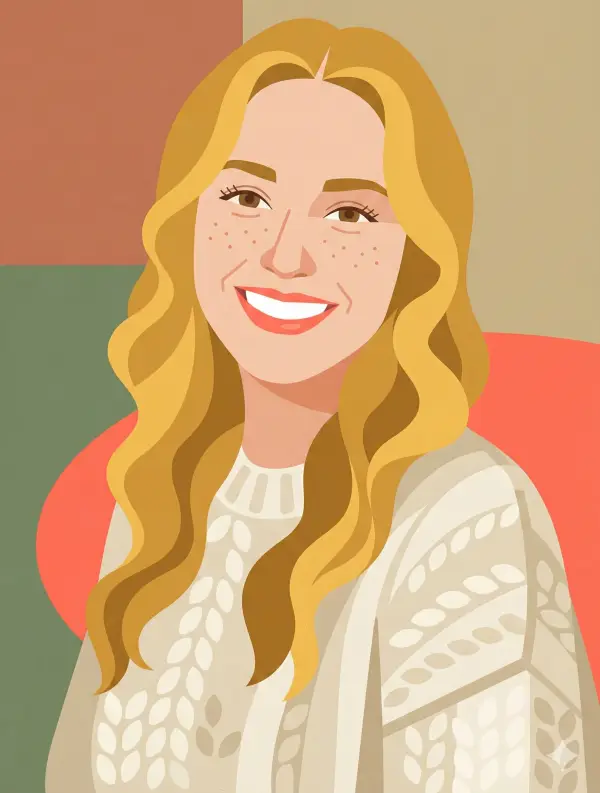
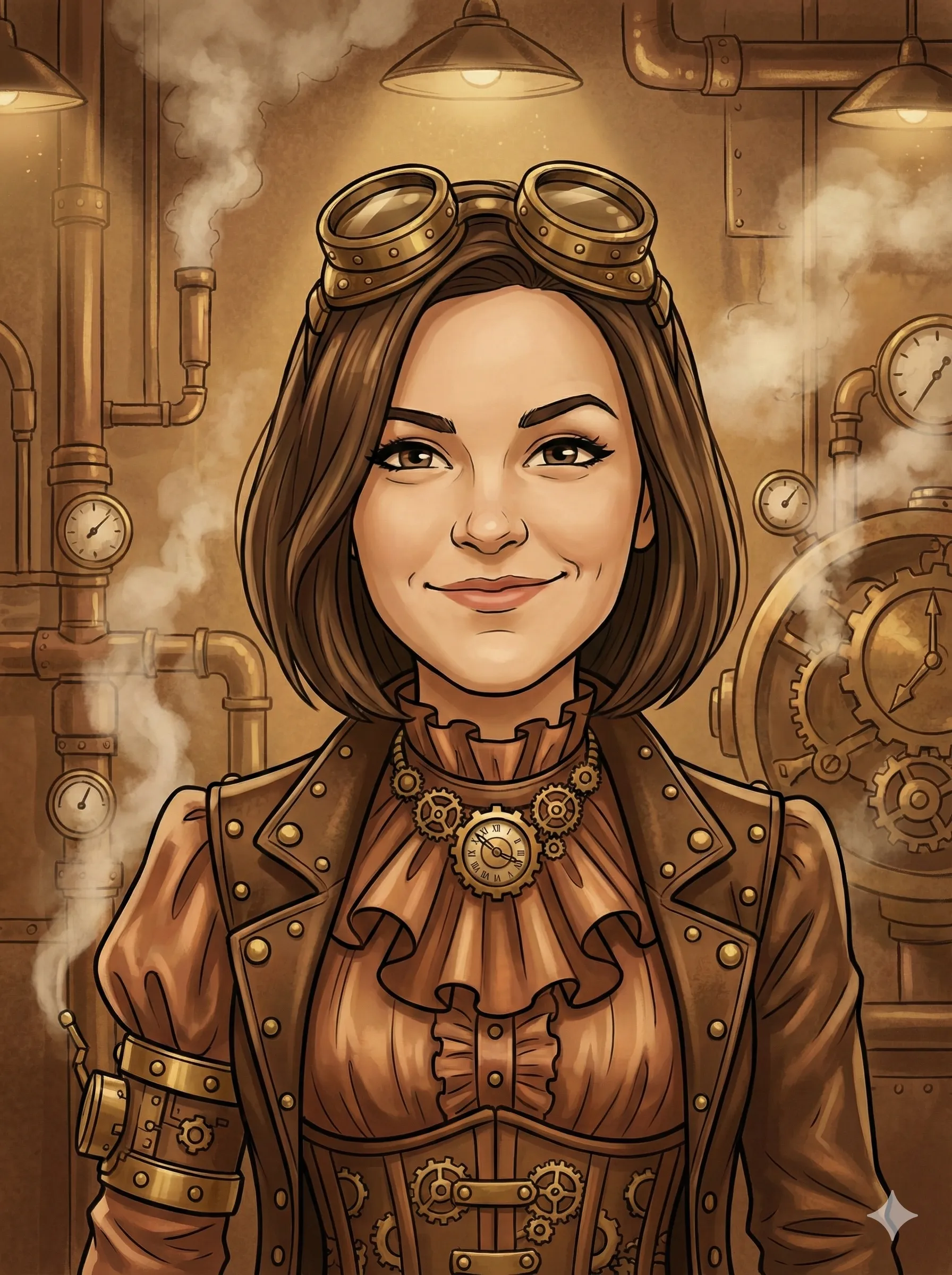
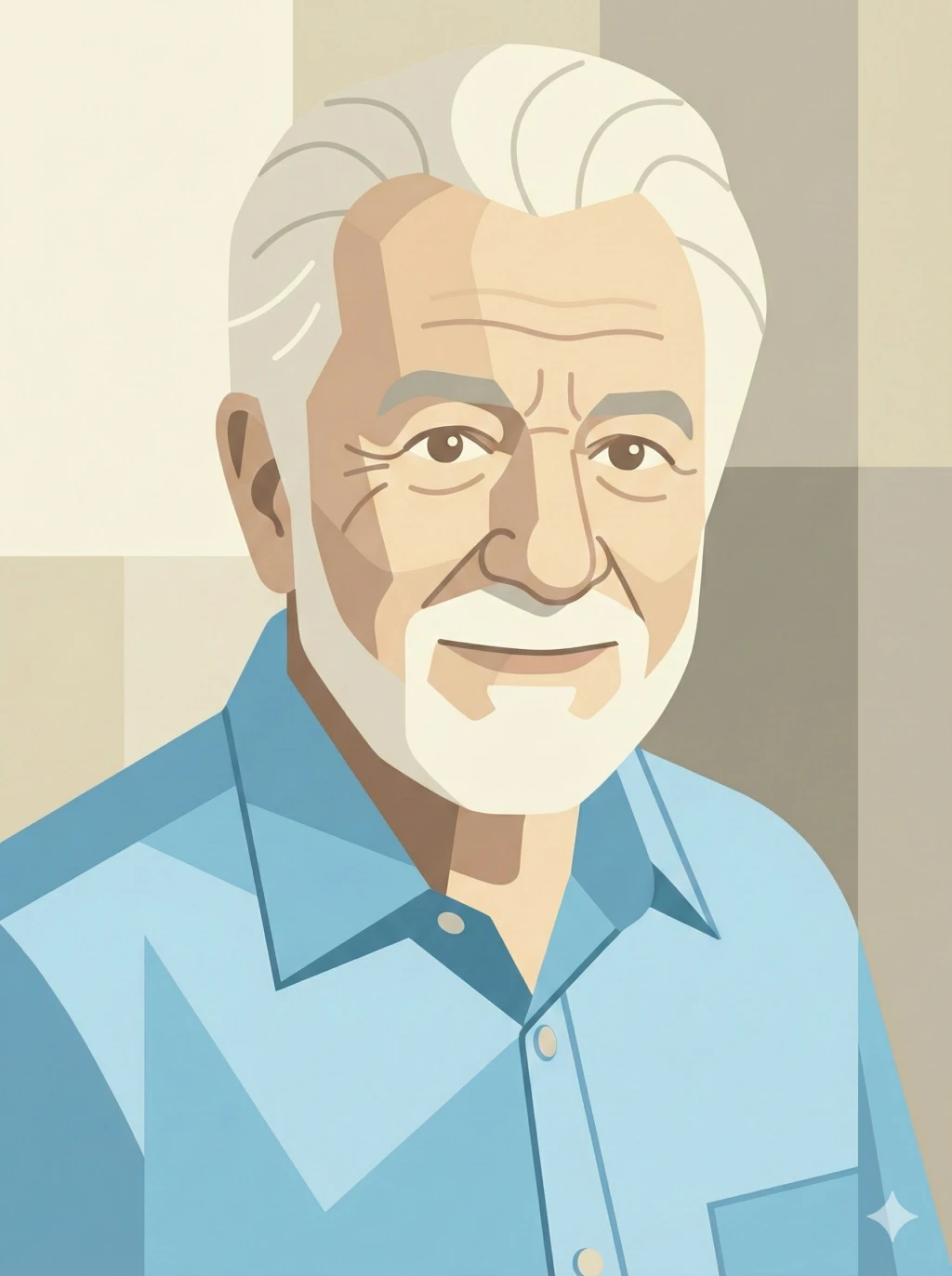
 📷 Before
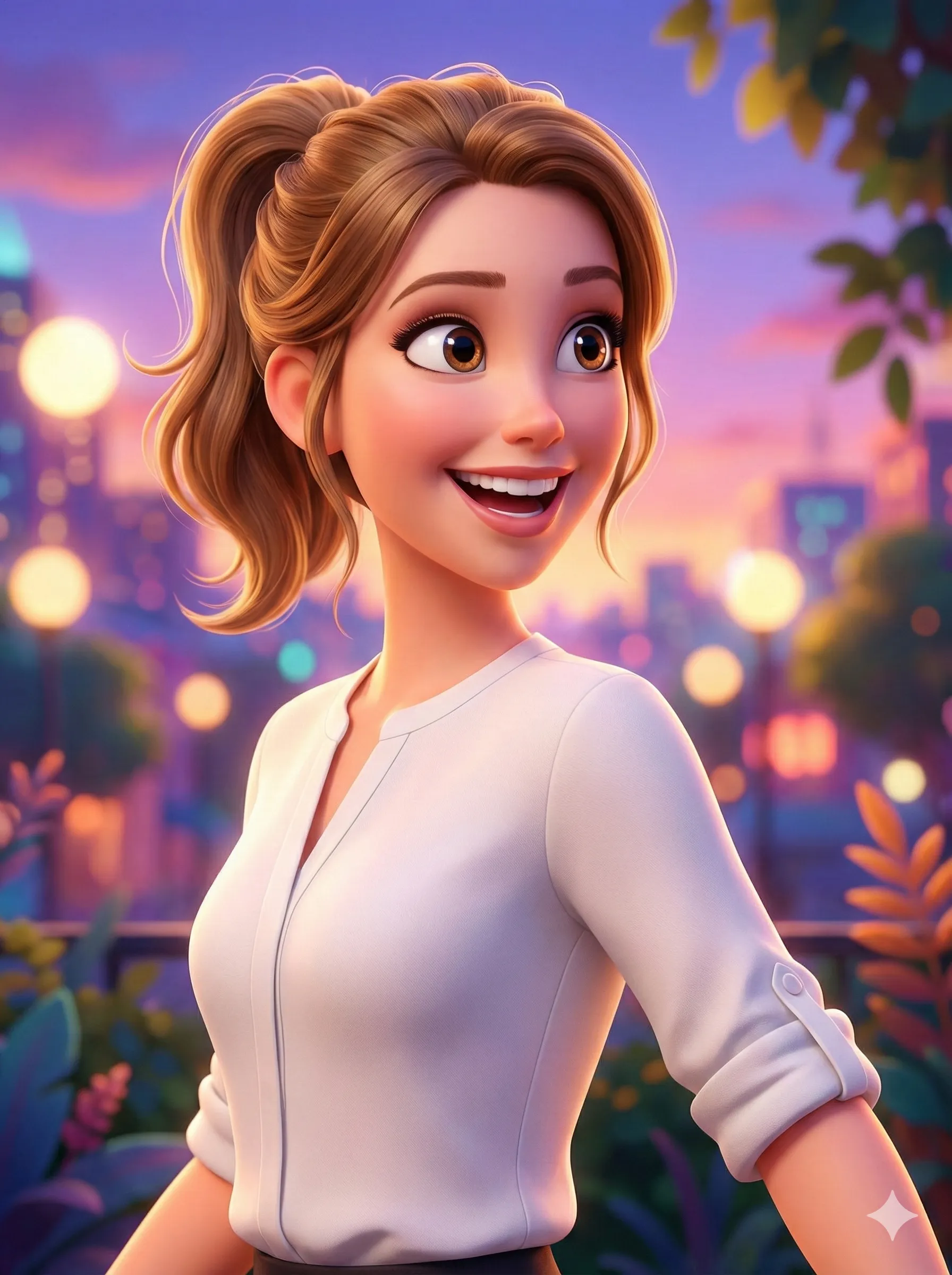
 ✏️ After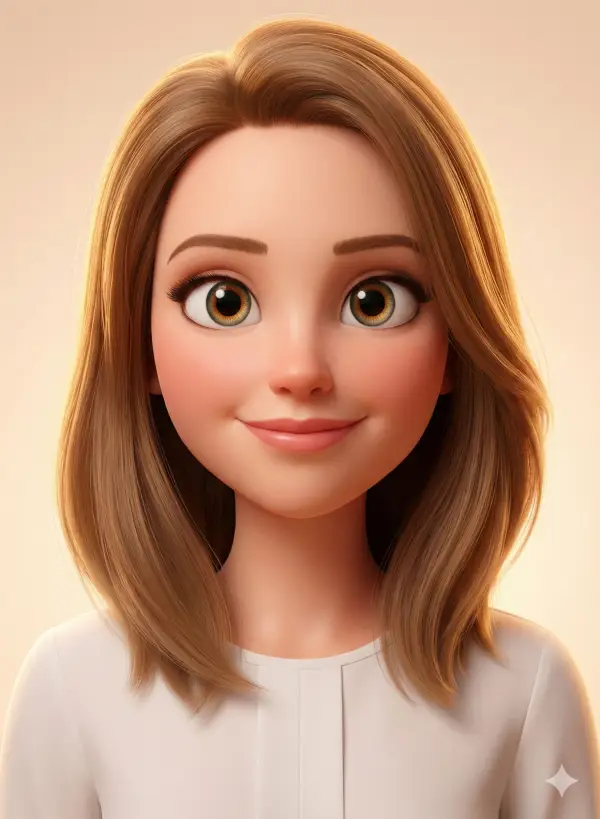




About Doodle
Origins, history, and what makes this art style unique
The contemporary doodle art movement emerged in the early 2000s, catalyzed by artists who embraced the informal quality of sketched, pen-and-ink drawing as a deliberate aesthetic choice. Artists like Jon Burgerman, Hattie Stewart, and the collaborative street-art-influenced collective of doodle artists who emerged from graffiti and zine culture demonstrated that doodle aesthetics could function at professional scale in commercial illustration, product design, and public art. Burgerman's densely packed, character-filled compositions and Stewart's playful magazine-cover "doodle-bombs" established a visual language where the apparent casualness of the line is actually the product of refined skill and intentional design decisions. The international Doodle Art movement also connects to the meditative pattern-drawing traditions formalized in the early 2000s, which codified the therapeutic and contemplative aspects of repetitive pattern drawing.
Cognitively, doodling has been validated by research as a beneficial activity that enhances focus, memory retention, and creative problem-solving. A landmark 2009 study by psychologist Jackie Andrade demonstrated that doodling during monotonous tasks improved recall by 29% compared to non-doodling, challenging the common misconception that doodling indicates inattention. This scientific validation, combined with the broader cultural movement toward authenticity and imperfection (visible in trends from wabi-sabi-influenced interior design to the "indie" aesthetic in music and film), has elevated doodle art from marginalized time-wasting to respected creative practice. The style's deliberate embrace of imperfection, visible process marks, and personal idiosyncrasy offers a visual counterpoint to the polished perfection of digital design, resonating with audiences who value authenticity over production value.
Key Elements
The core artistic techniques that define Doodle
Spontaneous Line Quality & Visible Process
Doodle art's defining characteristic is linework that visibly records the hand's movement — slight wobbles, varying pressure, occasional overdrawn strokes, and the continuous flow of a pen that rarely lifts from the surface. This quality connects to the calligraphic traditions of East Asian brush painting and the gestural drawing practices of artists like Egon Schiele and Jean-Michel Basquiat, where the energy and authenticity of the mark-making process is valued over technical perfection. The visible imperfections are not flaws but essential carriers of the artist's individual presence.
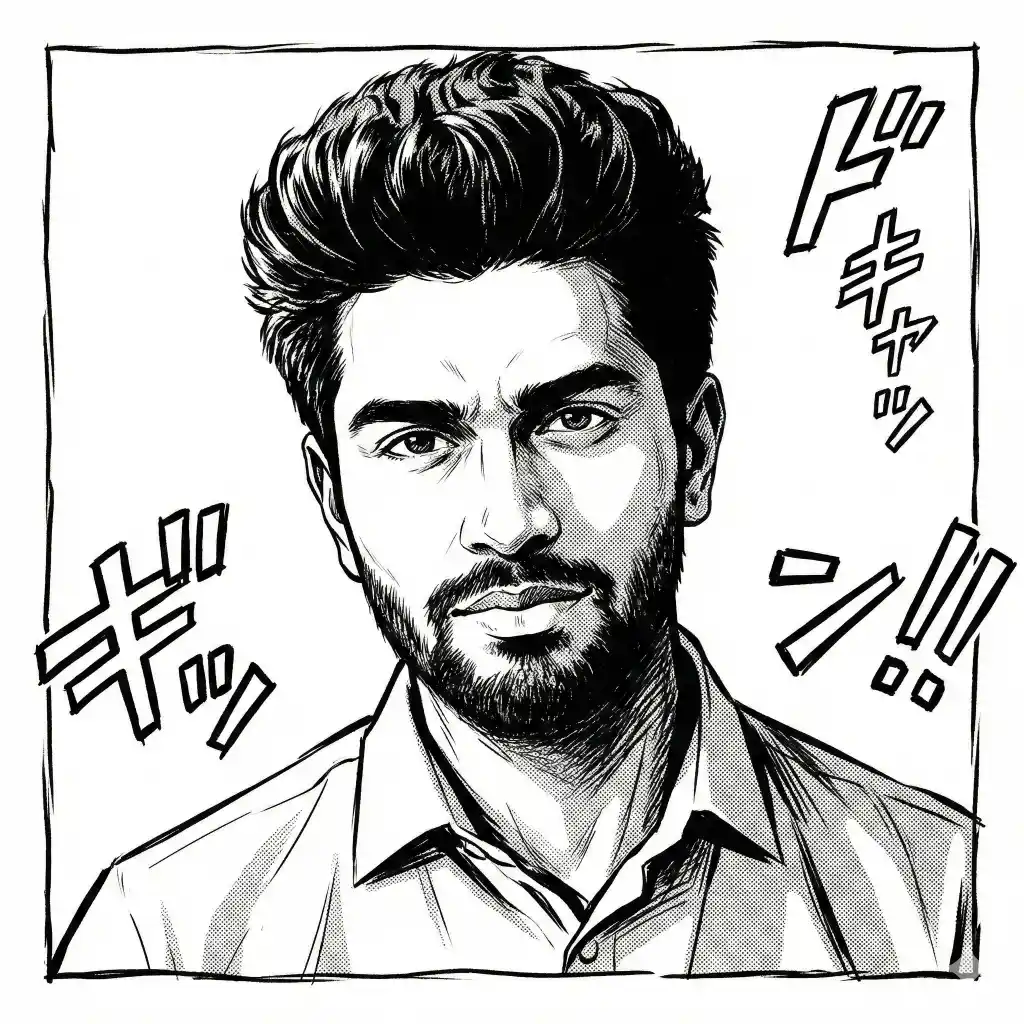
Cross-Hatching & Textural Mark-Making
In the absence of continuous tonal shading, doodle style relies on accumulated marks — cross-hatching, parallel hatching, stippling, scribble-shading, and pattern fills — to create the illusion of value and volume. These techniques connect to a printmaking and illustration lineage stretching from Albrecht Dürer's engravings through 19th-century pen-and-ink illustration to underground comics. Each artist develops a personal mark-making vocabulary, and the specific character of these textural fills becomes a signature element as distinctive as a handwriting style.
Decorative Marginalia & Horror Vacui
Many doodle artists practice what art historians call "horror vacui" — the filling of entire surfaces with marks, patterns, and small drawn elements that transform negative space into active visual territory. This impulse connects to the illuminated manuscript traditions of Medieval Europe, the dense decorative patterns of Islamic geometric art, and the all-over compositions of artists like Keith Haring. In contemporary doodle art, surrounding a central image with small stars, arrows, abstract shapes, and tiny characters creates a visual ecosystem that rewards close examination and extended viewing.
How It Works
Transform your photo into doodle art in 3 simple steps
Upload Your Photo
Choose any portrait photo from your device. Front-facing works best for stunning results.
Select Doodle
Our AI analyzes your photo and applies the doodle artistic style with precise attention to detail.
Download & Share
Get your high-quality cartoon portrait in about half a minute. Download in full resolution or share directly.
Perfect For
Before & After
See the Doodle transformation in action
Doodle FAQ
Doodling connects to some of the deepest currents in art history. The Surrealists of the 1920s elevated automatic drawing — essentially deliberate doodling — to a primary creative technique, with André Masson and Joan Miró using it to bypass conscious artistic control. The Abstract Expressionist gesture painting of Jackson Pollock shares doodling's emphasis on spontaneous, unpremeditated mark-making. In the 1980s, Keith Haring brought doodle-like continuous-line drawing to monumental public art scale. The contemporary doodle art movement, with practitioners like Jon Burgerman and Hattie Stewart, represents the latest chapter in a long tradition of valuing spontaneous, process-visible drawing as a form of authentic creative expression.
Professional doodle art exists in a carefully maintained tension between apparent spontaneity and deliberate compositional control. While the linework preserves the gestural energy and slight imperfection of casual drawing, accomplished doodle artists make sophisticated decisions about visual hierarchy, compositional balance, density variation, and focal point placement. The "spontaneous" quality is a cultivated aesthetic rather than genuine randomness — Jon Burgerman's seemingly chaotic character compositions, for example, are carefully balanced in terms of color distribution, density variation, and directional flow, drawing on the same compositional principles that govern any other form of visual art.
Psychologist Jackie Andrade's 2009 research demonstrated that doodling during tasks improved memory recall by 29%, challenging the assumption that doodling indicates disengagement. Subsequent research has linked doodling to enhanced creative problem-solving, stress reduction, and improved focus during monotonous activities. Structured meditative pattern-drawing practices developed in the early 2000s formalized doodling's meditative benefits. The doodle aesthetic's cultural resonance may partly reflect an intuitive recognition of these cognitive benefits — the style's visible spontaneity and imperfection signal a relaxed, authentic creative state that viewers find appealing and approachable.
Try Doodle
Style Now!✏️
Upload your photo and get your doodle portrait in about half a minute.