Bold ink, powerful storytelling
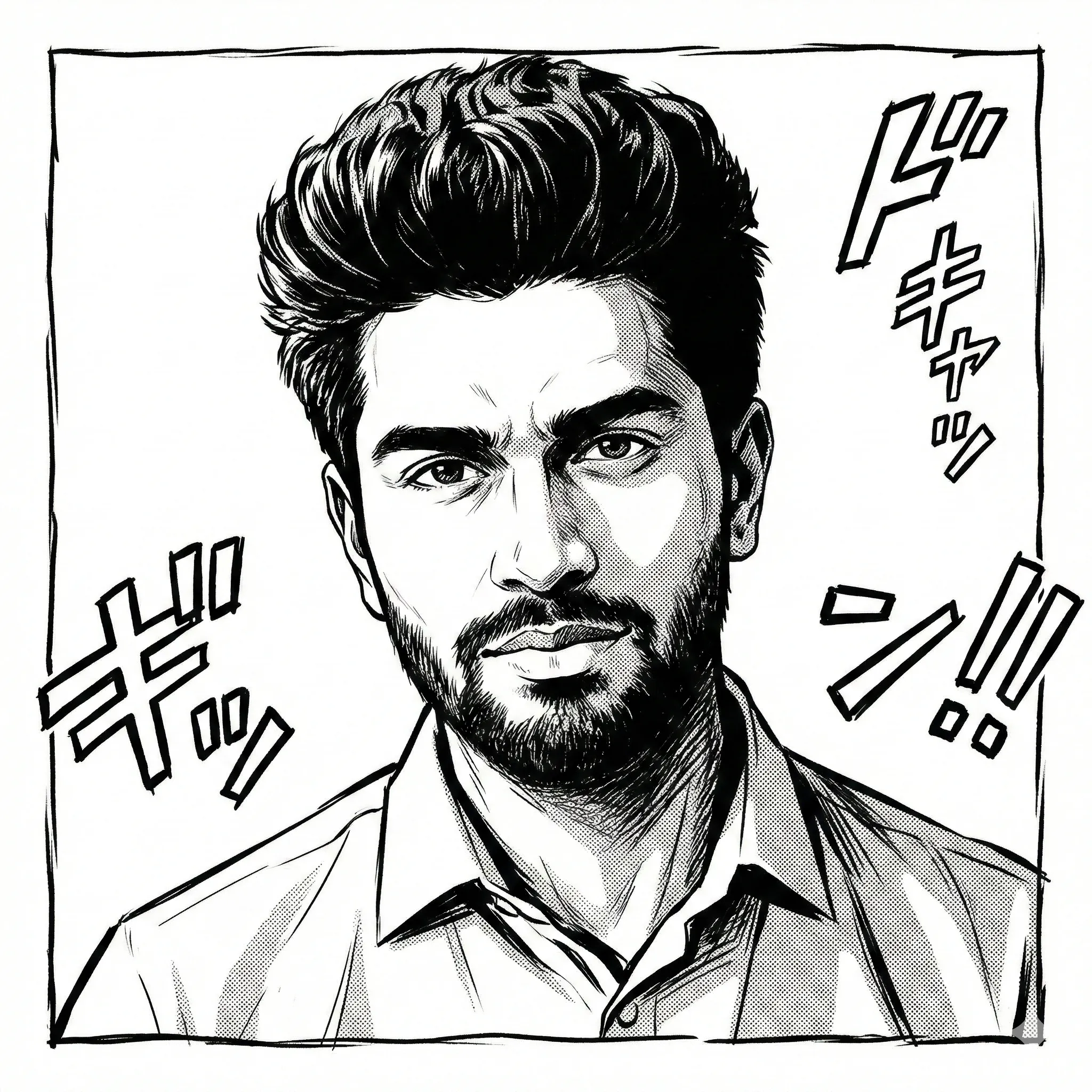
Comic line art — the discipline of creating illustrations through ink lines of varying weight, density, and character — stands as one of the foundational visual languages of modern sequential art and popular illustration. Its professional origins trace to the...
 📷 Before
 💢 After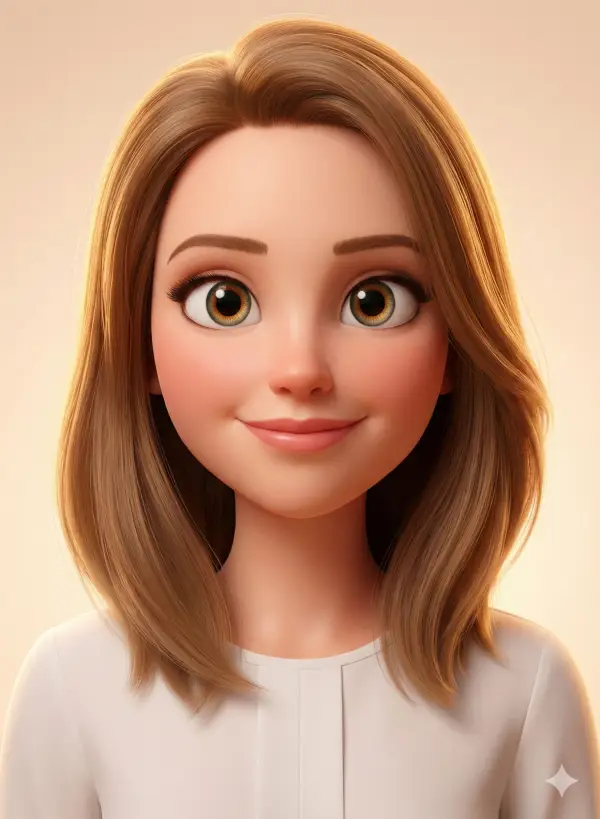
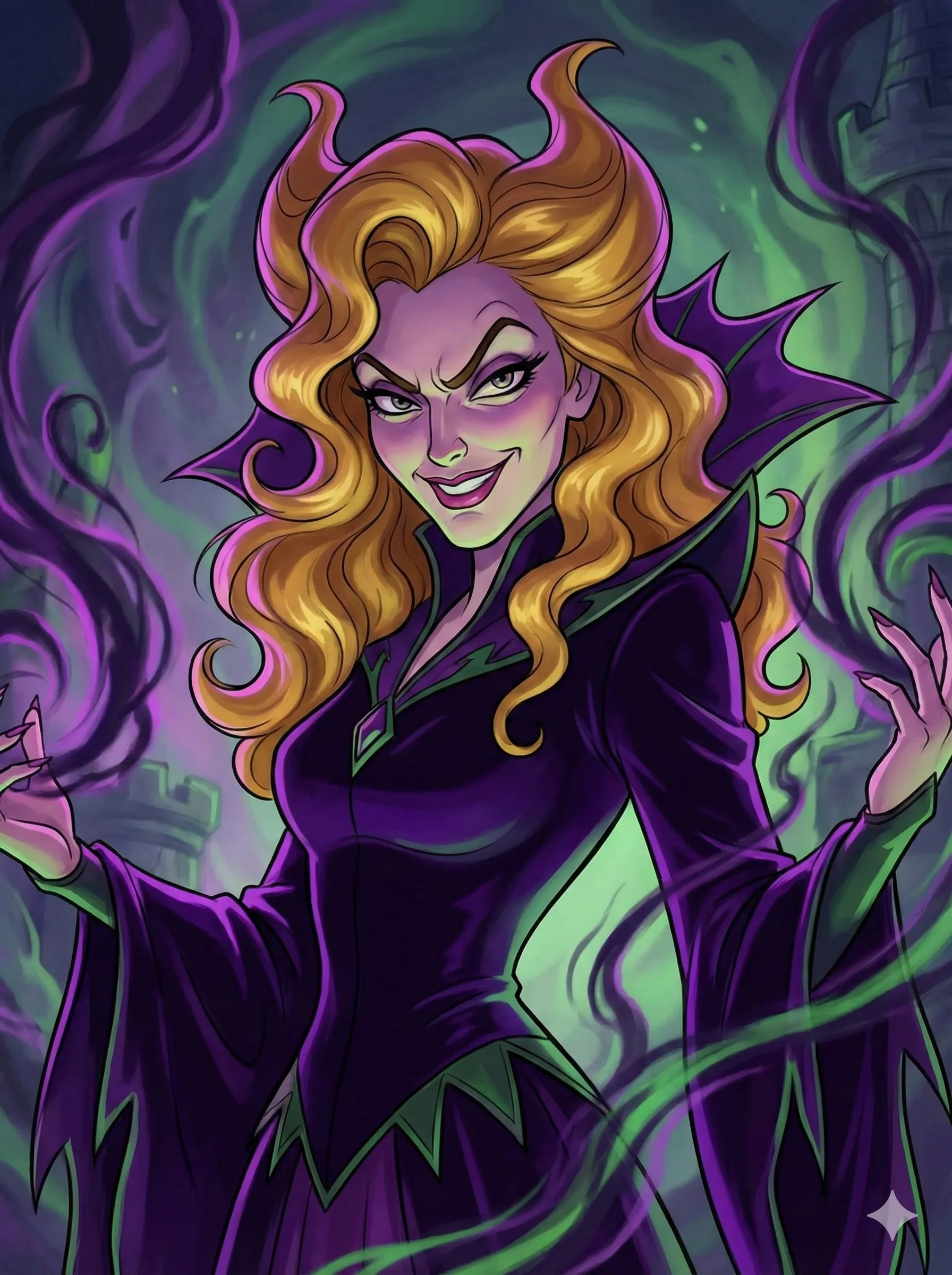
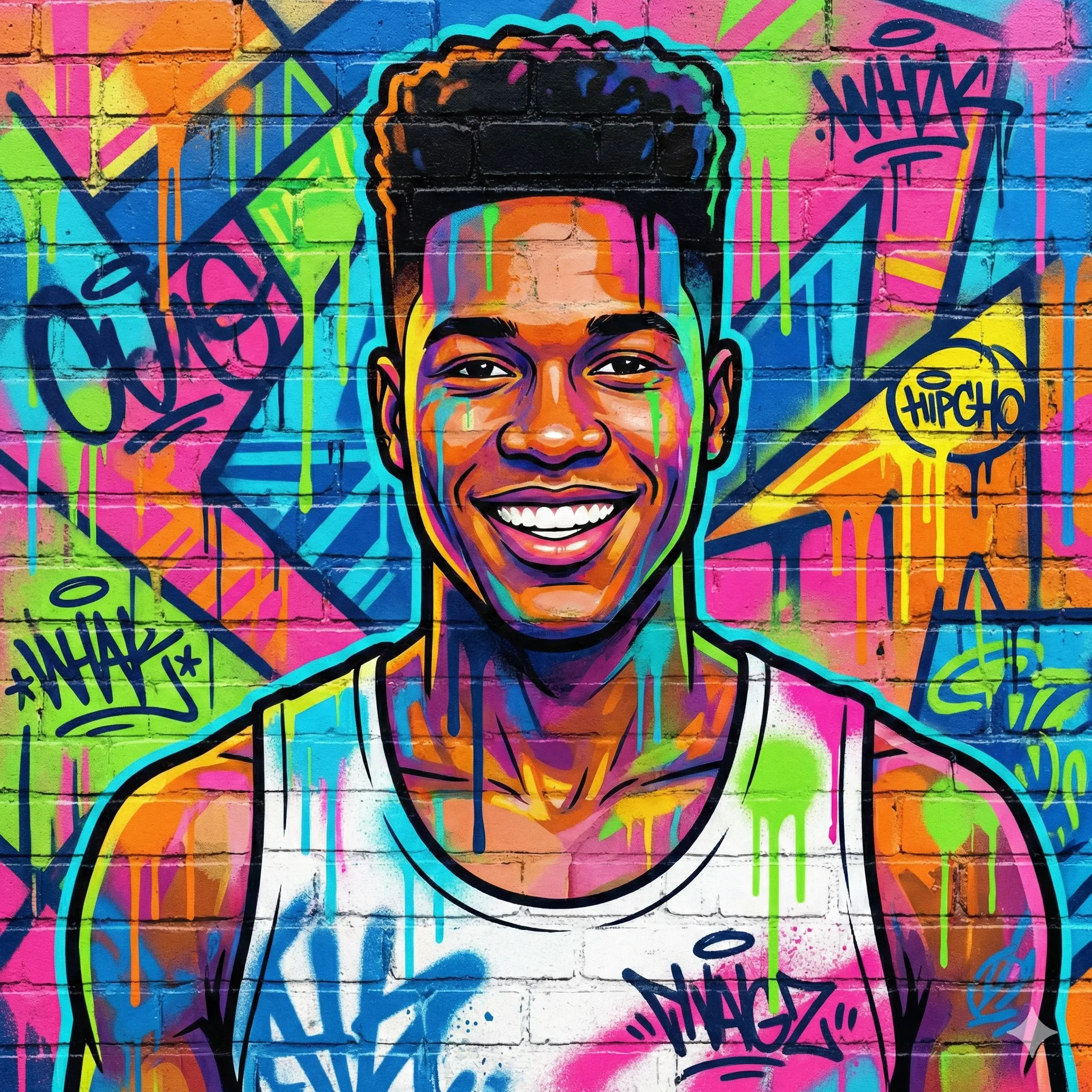

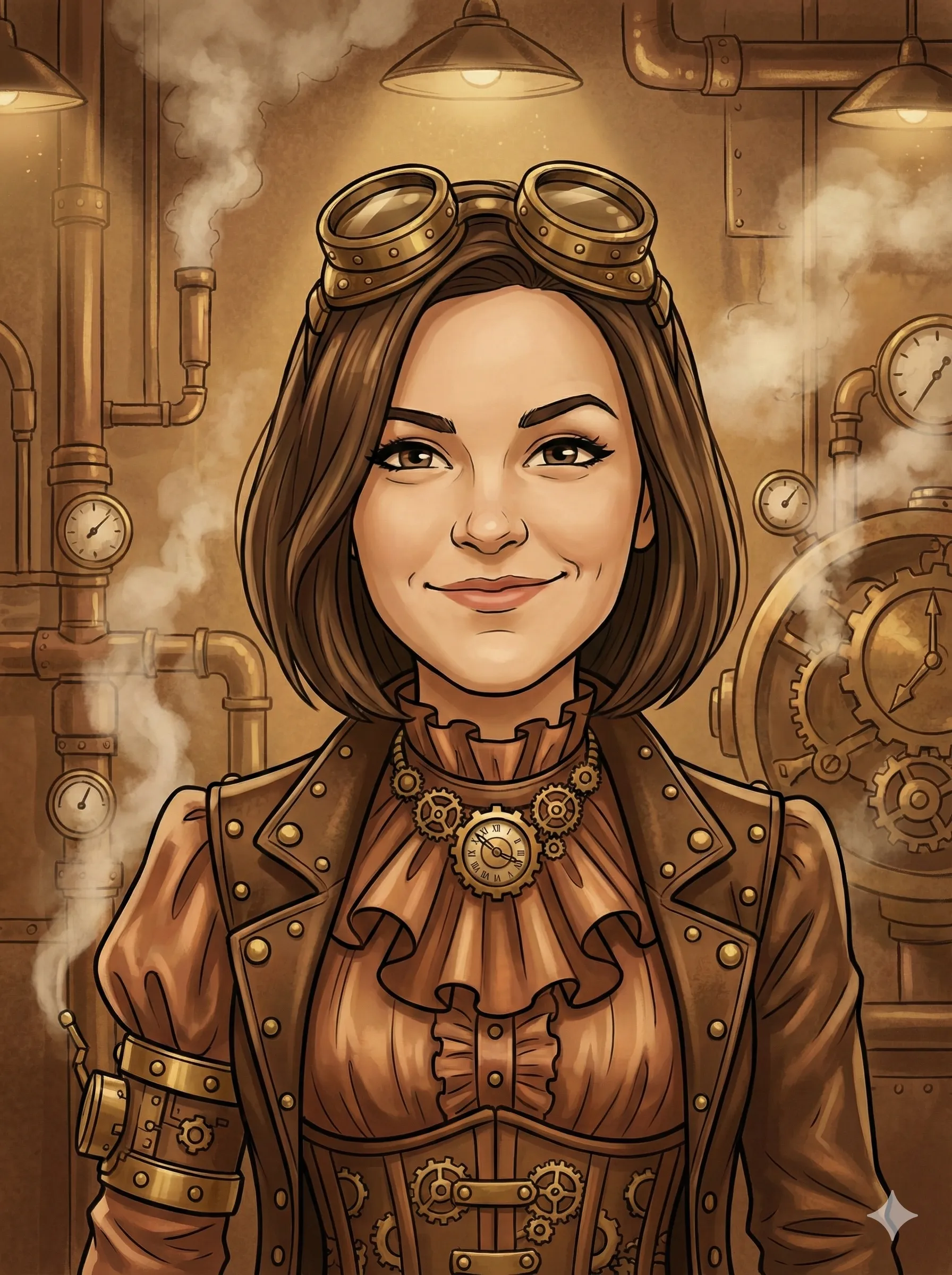


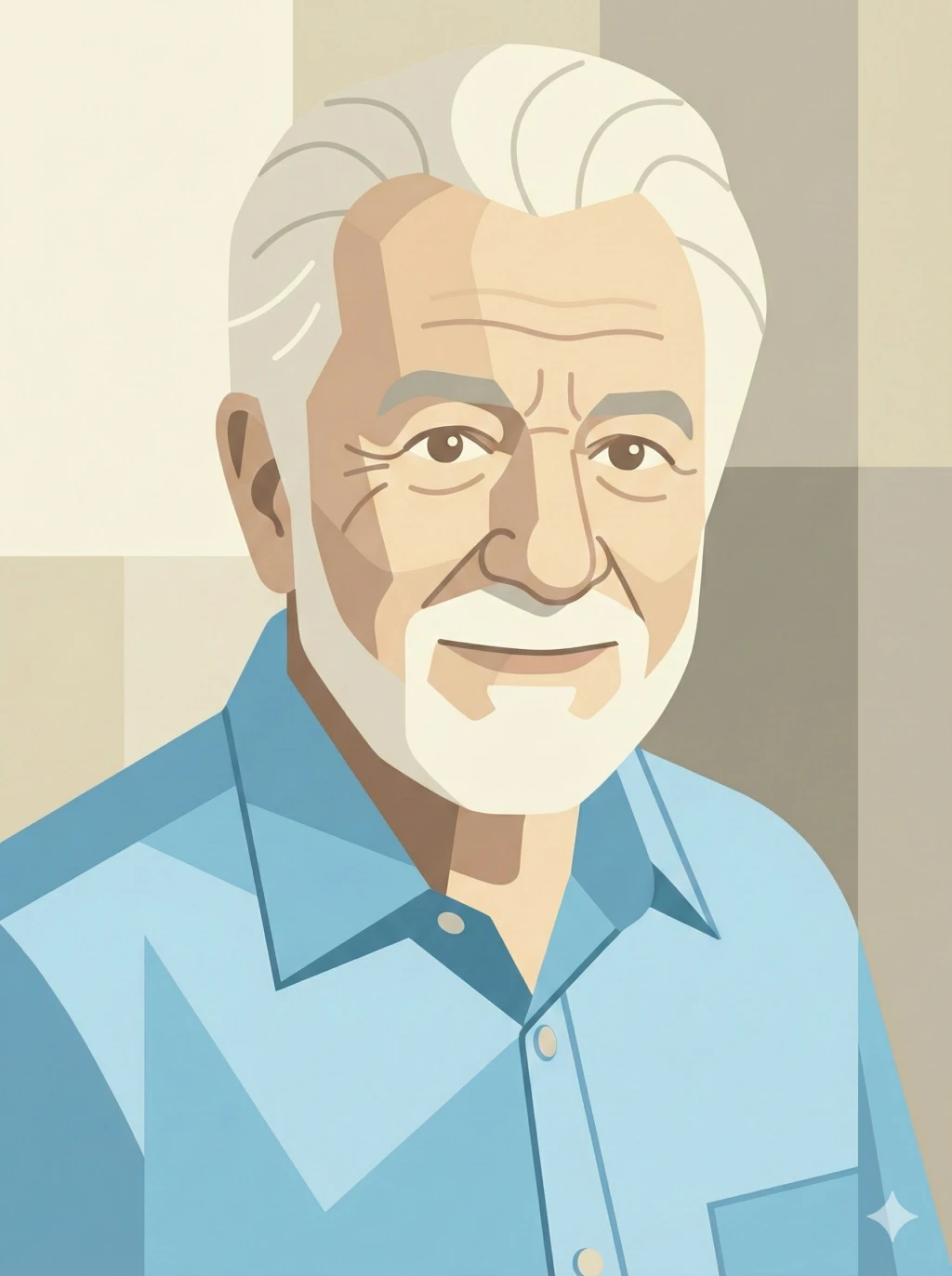
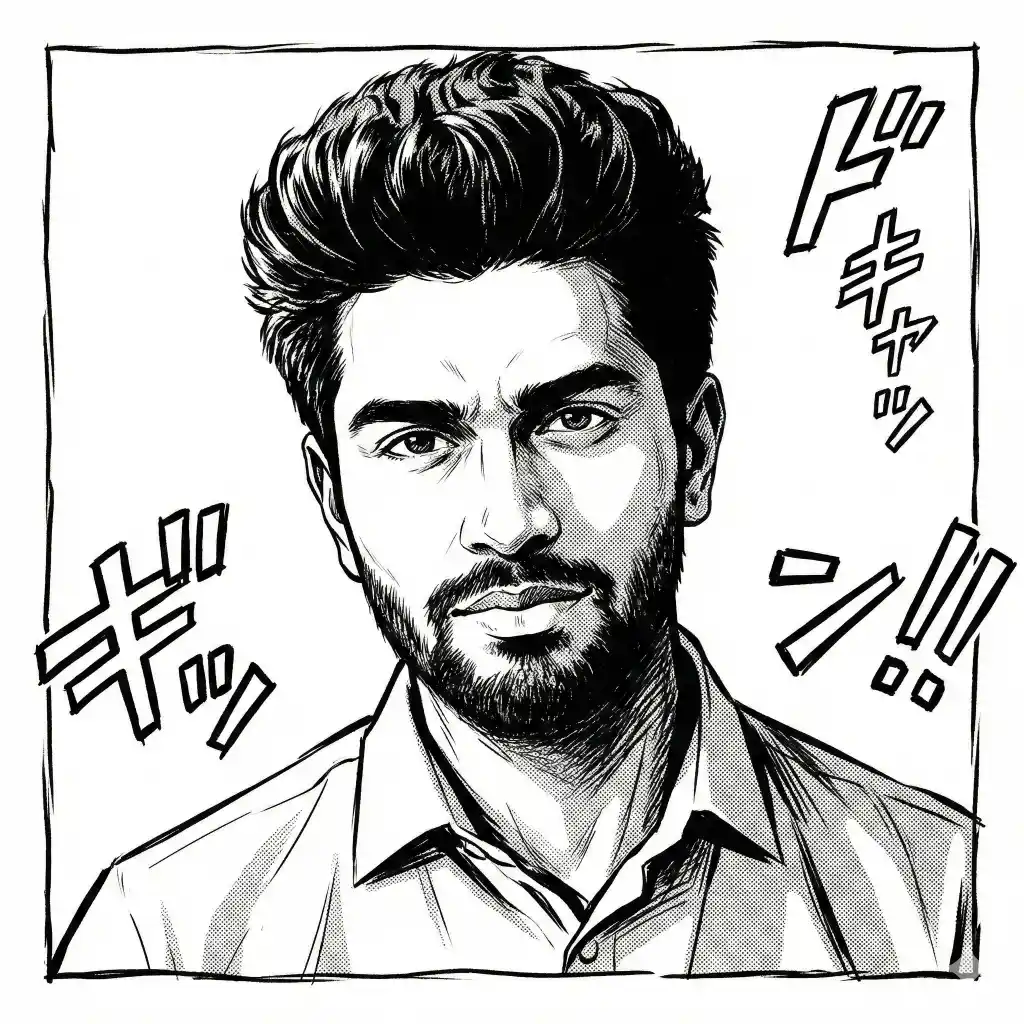
About Comic Line Art
Origins, history, and what makes this art style unique
The comic book industry, beginning with the superhero explosion of the late 1930s, created the most sustained demand for professional line art in history and produced generations of masters who advanced the form. Jack Kirby's dynamic, architectural compositions and powerful figure work defined the visual vocabulary of superhero comics and influenced every subsequent action-oriented artist. Will Eisner's innovative page layouts and chiaroscuro-influenced inking in "The Spirit" demonstrated that comic line art could achieve cinematic sophistication. The underground comics movement of the 1960s-70s, led by artists like Robert Crumb, whose obsessively detailed cross-hatching created images of extraordinary textural richness, expanded the medium's visual range beyond commercial superhero conventions. In Europe, artists like Hugo Pratt ("Corto Maltese"), with his masterful use of black spotting and atmospheric minimalism, and Moebius (Jean Giraud), whose intricate line work in "Arzach" and "The Incal" influenced science fiction visual culture worldwide, developed distinct national traditions of comic line art with their own aesthetic principles and technical approaches.
The manga tradition represents another major lineage of comic line art, with distinctive characteristics that differ significantly from Western approaches. Osamu Tezuka's dynamic layouts and expressive speed lines, Katsuhiro Otomo's extraordinarily detailed architectural rendering, and Takehiko Inoue's calligraphic brush work demonstrate the range and sophistication of Japanese ink technique. Contemporary comic art continues to evolve through artists who synthesize these global traditions: Frank Miller's noir-influenced high-contrast work, Mike Mignola's bold shape-based approach, and Fiona Staples' digital inking represent different strategies for using line, black, and white to create compelling visual narratives. The discipline remains fundamental to visual storytelling, with its principles of line weight variation, value composition, and sequential visual logic underpinning storyboarding, concept art, and illustration across all entertainment media.
Key Elements
The core artistic techniques that define Comic Line Art
Line Weight Hierarchy & Calligraphic Expression
Professional comic line art employs a systematic hierarchy of line weights that simultaneously describes form, establishes visual depth, and directs the viewer's eye. Thick outer contour lines separate the figure from background, medium lines define major anatomical forms and shadow boundaries, and fine lines articulate surface detail and texture. This system descends from the engraving traditions of the Renaissance, where line weight and spacing communicated tonal value in the absence of continuous shading. Master comic inkers develop a calligraphic quality to their line — the way a stroke tapers, swells, or breaks carries as much expressive information as the shape it describes.
Spot Blacks & Chiaroscuro Value Design
The strategic placement of solid black areas ("spot blacks") is perhaps the most sophisticated element of comic line art, requiring the artist to design the composition as a pattern of black, white, and hatched gray values. This practice connects directly to the chiaroscuro tradition of painters like Caravaggio and Rembrandt, translated into the binary medium of ink on paper. Artists like Mike Mignola and Frank Miller demonstrate how bold black shapes can simultaneously define three-dimensional form, create dramatic lighting, establish mood, and produce striking graphic compositions that read powerfully at any scale.
Hatching Systems & Textural Vocabulary
Comic line artists employ a range of hatching techniques — parallel lines, cross-hatching, contour hatching, and stippling — to create tonal values and surface textures using only black ink on white paper. Each hatching approach produces distinct visual qualities: parallel hatching creates smooth tonal gradations, cross-hatching builds denser shadows, contour hatching follows the form's three-dimensional surface to reinforce volume, and stippling creates soft, granular textures. Artists like Robert Crumb and Bernie Wrightson developed personal hatching vocabularies of extraordinary complexity, creating images with near-photographic tonal range through accumulated pen strokes.
How It Works
Transform your photo into comic line art art in 3 simple steps
Upload Your Photo
Choose any portrait photo from your device. Front-facing works best for stunning results.
Select Comic Line Art
Our AI analyzes your photo and applies the comic line art artistic style with precise attention to detail.
Download & Share
Get your high-quality cartoon portrait in about half a minute. Download in full resolution or share directly.
Perfect For
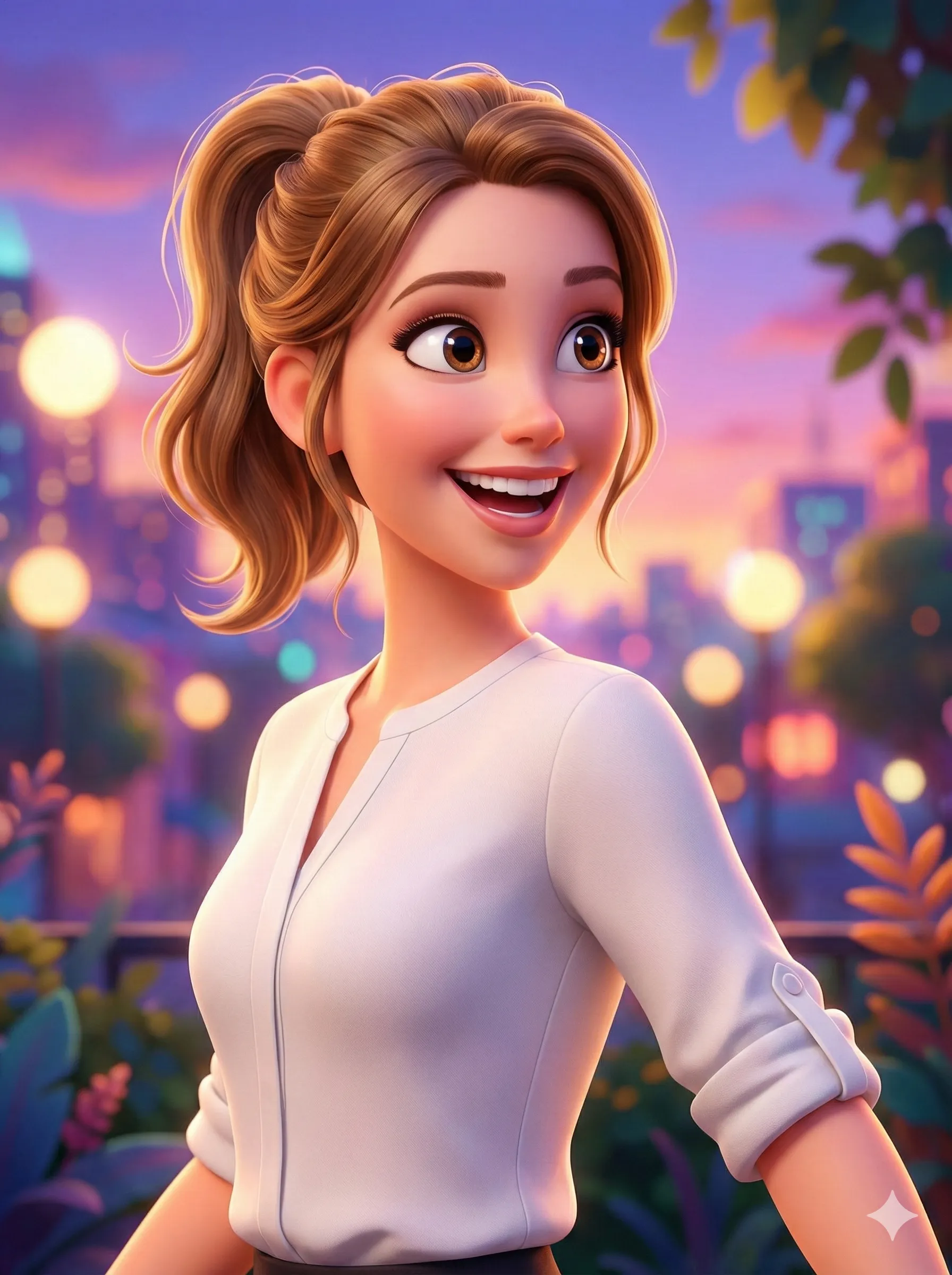
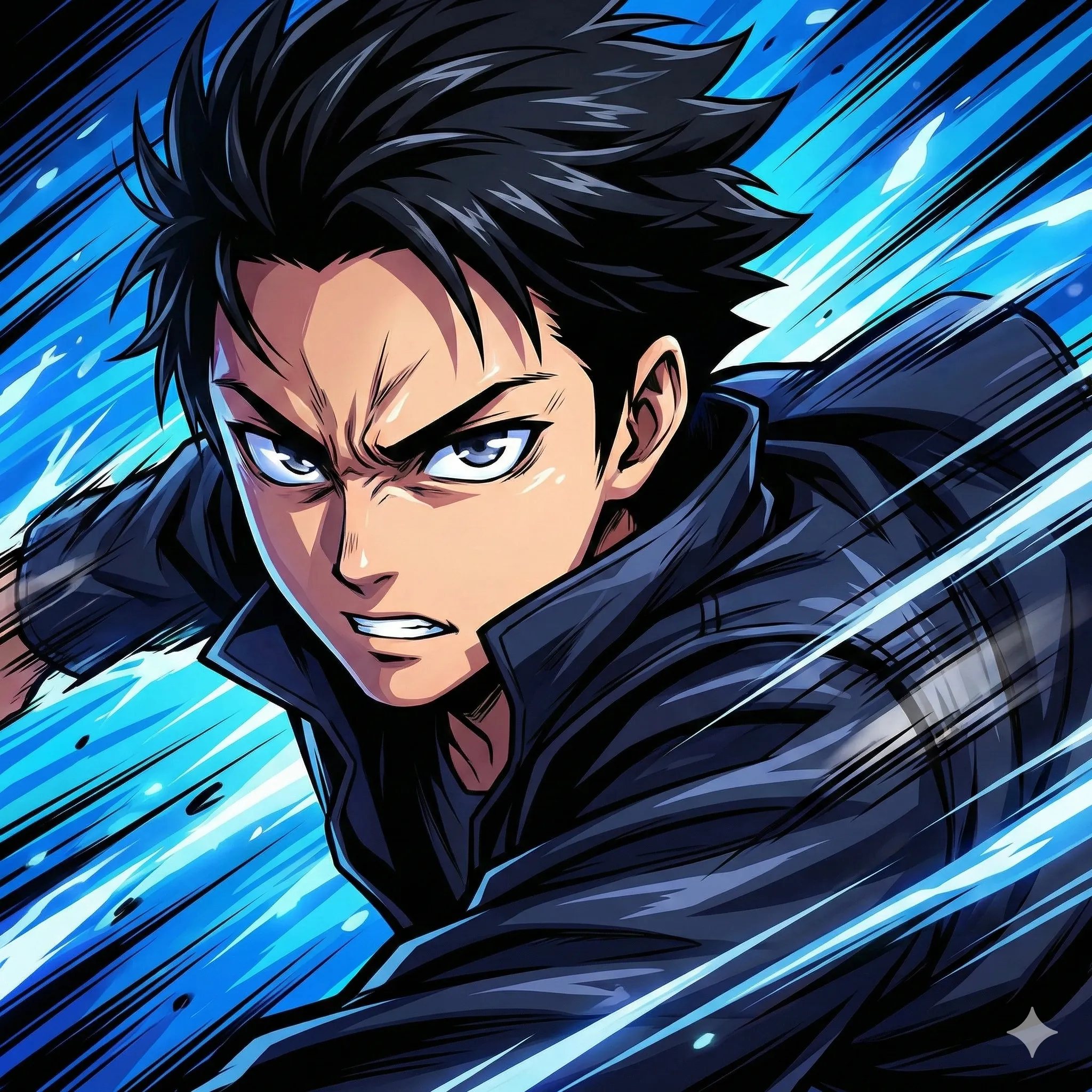
Before & After
See the Comic Line Art transformation in action
Comic Line Art FAQ
Comic line art evolved from the pen-and-ink illustration tradition of the late 19th century, when photographic reproduction technology enabled faithful printing of drawn lines. Early masters like Charles Dana Gibson, Howard Pyle, and Franklin Booth established the technical foundations. The comic book industry from the late 1930s onward created unprecedented demand for professional inking, producing innovators like Jack Kirby (dynamic composition), Will Eisner (cinematic page design), and later Frank Miller (noir-influenced high contrast) and Mike Mignola (bold shape-based abstraction). The European bande dessinée tradition contributed masters like Hugo Pratt and Moebius, while manga artists like Katsuhiro Otomo and Takehiko Inoue developed distinct Japanese approaches to ink technique.
In traditional comic production, penciling and inking are distinct disciplines often performed by different artists. The penciler creates the initial drawing — establishing composition, figure placement, perspective, and basic form — using graphite pencil that would not reproduce well in printing. The inker then translates this pencil work into reproducible black ink, making critical artistic decisions about line weight, hatching texture, spot black placement, and value composition. A skilled inker does not merely trace the pencil lines but interprets and enhances them, adding a layer of graphic sophistication and printable clarity. This collaboration model, standard in American comics since the 1940s, has produced legendary penciler-inker partnerships whose combined work transcended what either artist achieved alone.
American comic art, shaped by the superhero genre, tends toward dynamic figure work, dramatic foreshortening, and bold value contrasts. European bande dessinée (Franco-Belgian comics) typically features more detailed environmental rendering, more uniform line weights, and a broader range of genre-specific styles — from Hergé's "clear line" minimalism to Moebius's intricate science fiction detail work. Japanese manga emphasizes speed lines for kinetic energy, screen tones for tonal values (rather than hand-drawn hatching), and a more calligraphic, brush-influenced line quality. Each tradition developed in response to different printing technologies, publication formats, and cultural contexts, but contemporary comic artists increasingly synthesize elements from all three traditions.
Try Comic Line Art
Style Now!💢
Upload your photo and get your comic line art portrait in about half a minute.