Advanced 3D character art with cinematic rendering
The 3D animated character style pioneered by the world's leading CG animation studios represents one of the most significant developments in visual storytelling since the invention of cinema. The journey began with pioneering computer-animated short films of...
 📷 Before
 🎬 After









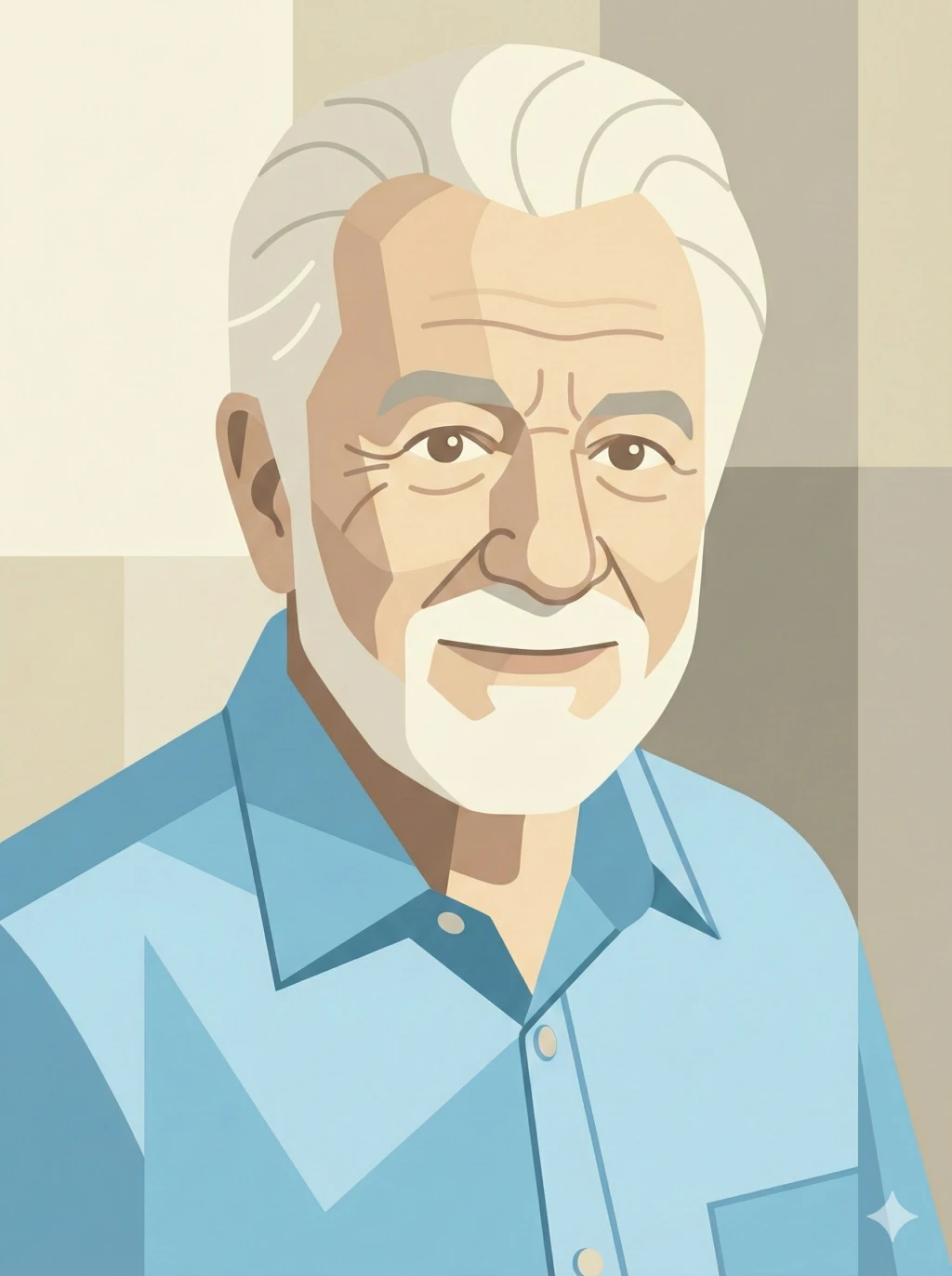

About 3D Animation V2
Origins, history, and what makes this art style unique
The signature modern 3D look is characterized by several distinct design choices: characters with slightly exaggerated proportions (larger heads, expressive eyes, simplified hands), surfaces with a clean but subtly textured quality (the "clay-like" skin that avoids both photorealism and plastic flatness), and environments lit with the sophistication of live-action cinematography. Technical innovations like subsurface scattering (which simulates light penetrating and diffusing through skin, giving it a warm, lifelike translucency) and the development of physically-based rendering pipelines have been as important as artistic choices in defining this signature look. The evolution across three decades of CG features shows a trajectory toward ever-greater emotional subtlety in lighting and rendering.
This second-generation 3D style builds on the latest technical and artistic achievements of modern animated features — atmospheric volumetric lighting, richly textured fabric and hair simulation, and lush environmental detail. The influence of this aesthetic extends throughout the animation industry and into game design, virtual production, and commercial illustration. Many leading studios have developed their own variations, but the commitment to story-driven character design — where every visual choice serves emotional storytelling — remains the standard against which 3D character art is measured.
Key Elements
The core artistic techniques that define 3D Animation V2
Subsurface Scattering Skin Rendering
Simulates the physical behavior of light penetrating and scattering through skin tissue, producing the warm translucency visible at thin areas like earlobes and nostrils. This technique, pioneered by leading CG rendering teams, is what distinguishes lifelike 3D skin from the "plastic" look of earlier CG characters.
Cinematic Lighting and Atmospheric Depth
Applies professional cinematographic lighting principles — motivated key lights, complementary-color fill, and separation rim lights — with physically-based light transport, volumetric fog, and depth-of-field blur to create the sophisticated visual storytelling that defines modern animated features.
Stylized Appeal with Physical Accuracy
Balances the exaggerated, "appealing" character proportions rooted in the classic Twelve Principles of Animation with physically accurate material rendering — achieving the signature modern 3D quality where characters feel simultaneously stylized and tangibly real.
How It Works
Transform your photo into 3d animation v2 art in 3 simple steps
Upload Your Photo
Choose any portrait photo from your device. Front-facing works best for stunning results.
Select 3D Animation V2
Our AI analyzes your photo and applies the 3d animation v2 artistic style with precise attention to detail.
Download & Share
Get your high-quality cartoon portrait in about half a minute. Download in full resolution or share directly.
Perfect For
Before & After
See the 3D Animation V2 transformation in action
3D Animation V2 FAQ
Key innovations include subsurface scattering (SSS) for realistic skin translucency, physically-based rendering (PBR) for accurate material behavior under light, global illumination for naturalistic indirect lighting, and sophisticated hair/fur simulation systems. Proprietary production rendering software developed by leading studios has driven many of these advances. Recent films also employ path tracing, volumetric rendering for atmospheric effects, and machine learning–based denoising for complex lighting scenarios.
Leading 3D studios deliberately avoid photorealistic human characters, instead applying what is often called "caricature with believability." Characters have exaggerated features — larger eyes for expressiveness, simplified ear and hand geometry, slightly enlarged heads — while surfaces and lighting behave with physical accuracy. This approach, rooted in the "appeal" principle from the classic Twelve Principles of Animation, creates characters that feel emotionally real without triggering the "uncanny valley" discomfort of near-photorealistic CG humans.
The evolution is dramatic: the first CG feature films of the mid-1990s featured simple geometry, basic lighting, and minimal subsurface effects. By the early 2000s, underwater caustics and translucent materials showed major advances. The late 2000s introduced sophisticated food and liquid rendering. The late 2010s achieved breathtaking volumetric lighting and particle effects, and recent films pair abstract character design with photorealistic city environments. Each generation of films pushed both artistic ambition and technical capability forward.
Try 3D Animation V2
Style Now!🎬
Upload your photo and get your 3d animation v2 portrait in about half a minute.